Substitution Cluster
Chinese Ingredient Substitutions
Compare Chinese ingredient swaps, see what flavor survives, and learn how to rescue the dish when the right bottle is missing.
Two Modes
Authentic / Emergency
What We Measure
Flavor Loss
What Matters Next
Compensation
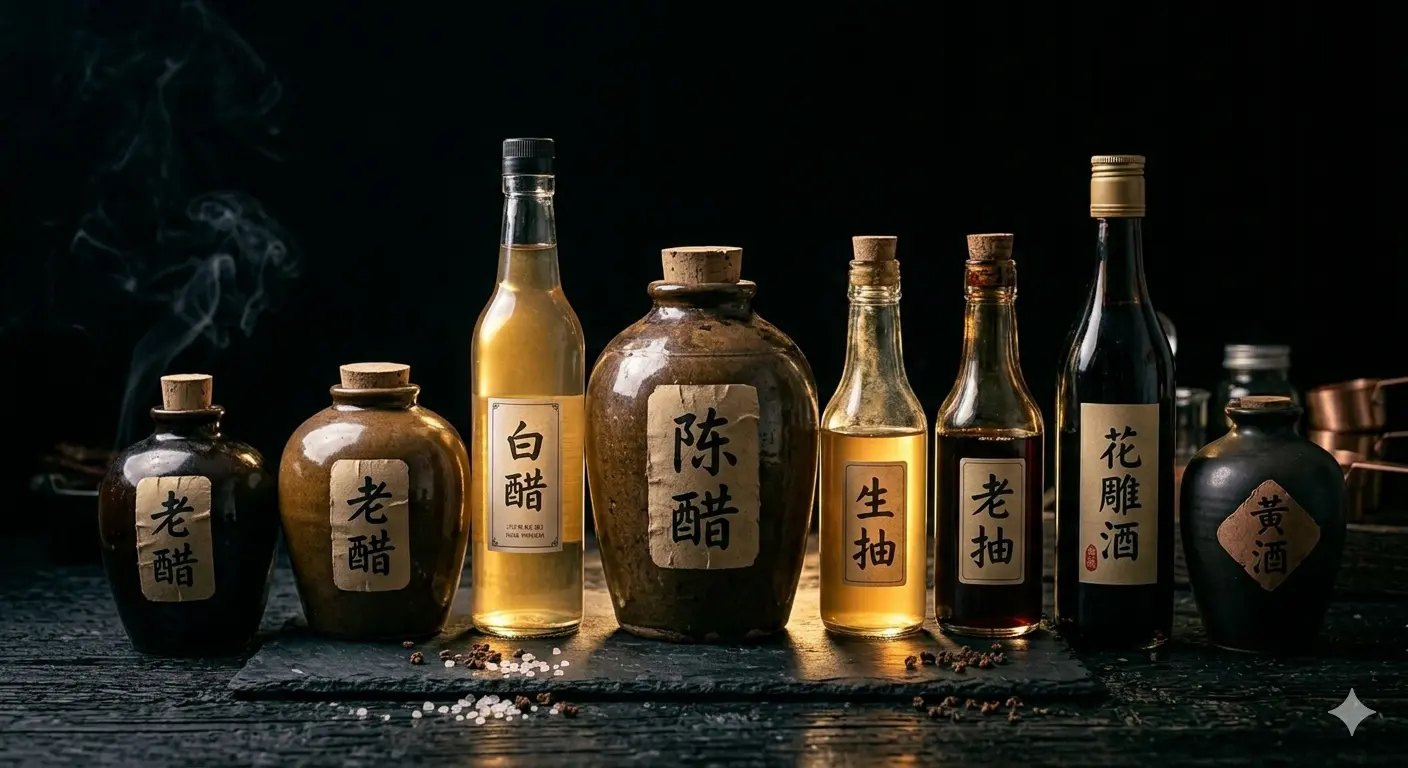
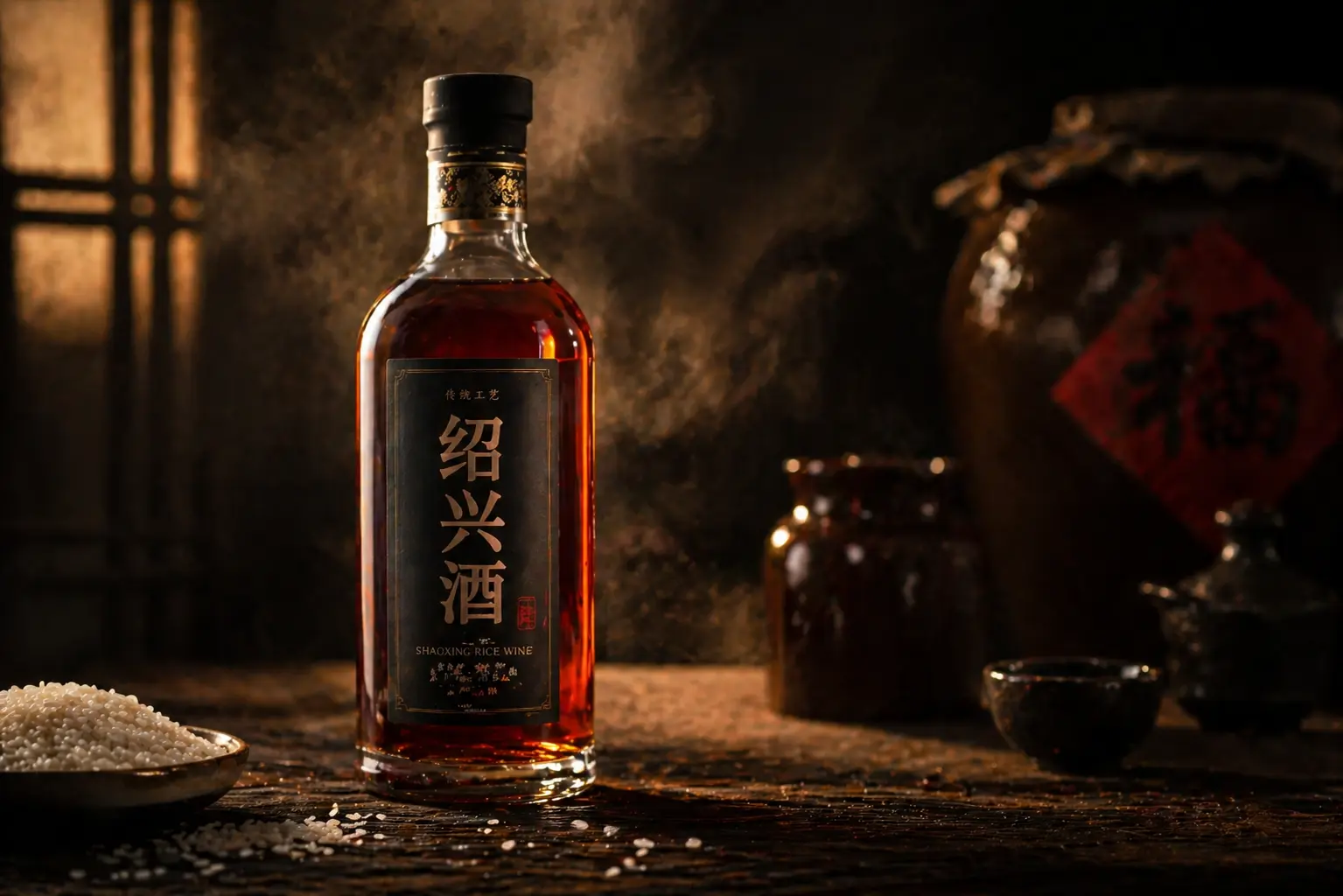
No Shaoxing Wine
Dry sherry? Sake? White wine? See what actually survives the swap.
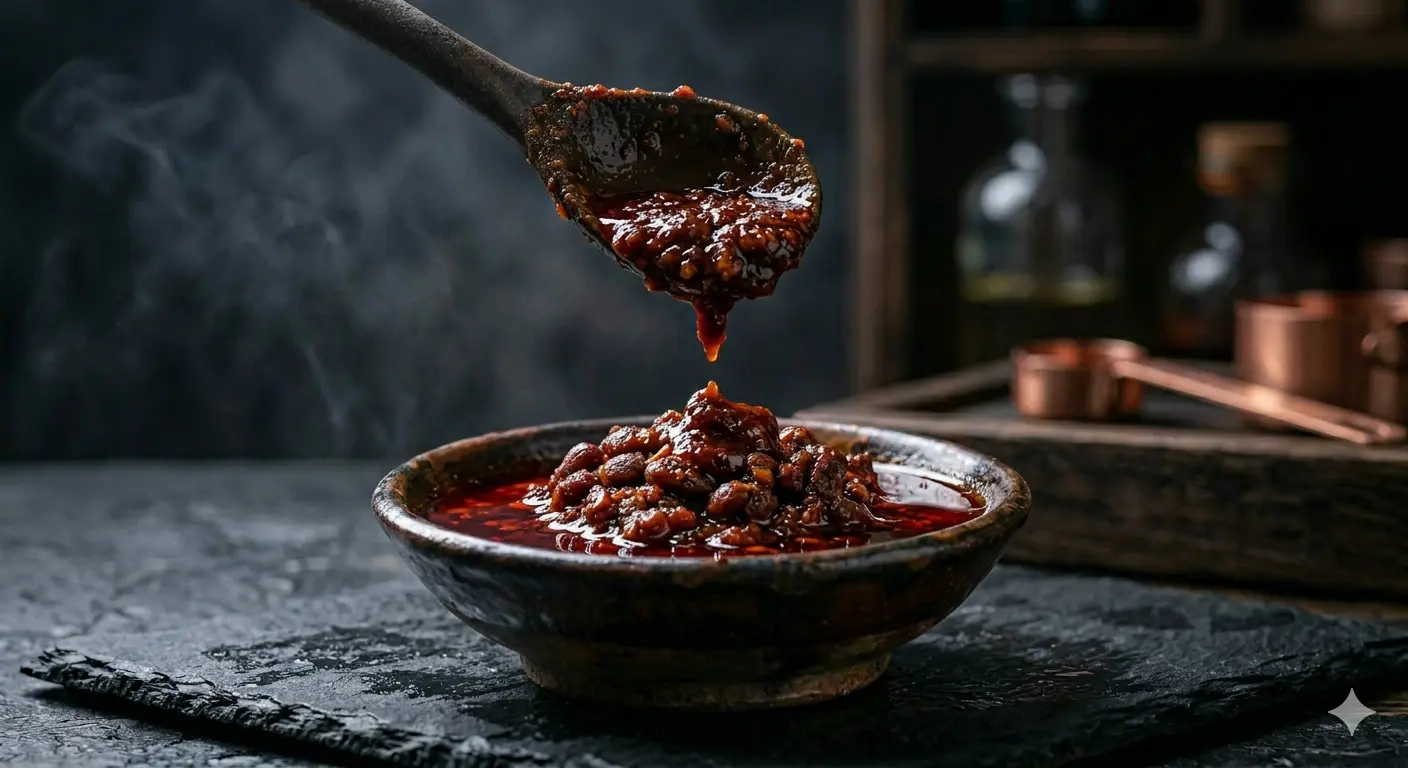
No Doubanjiang
Gochujang, miso, chili bean sauce: what keeps the dish alive and what ruins it.
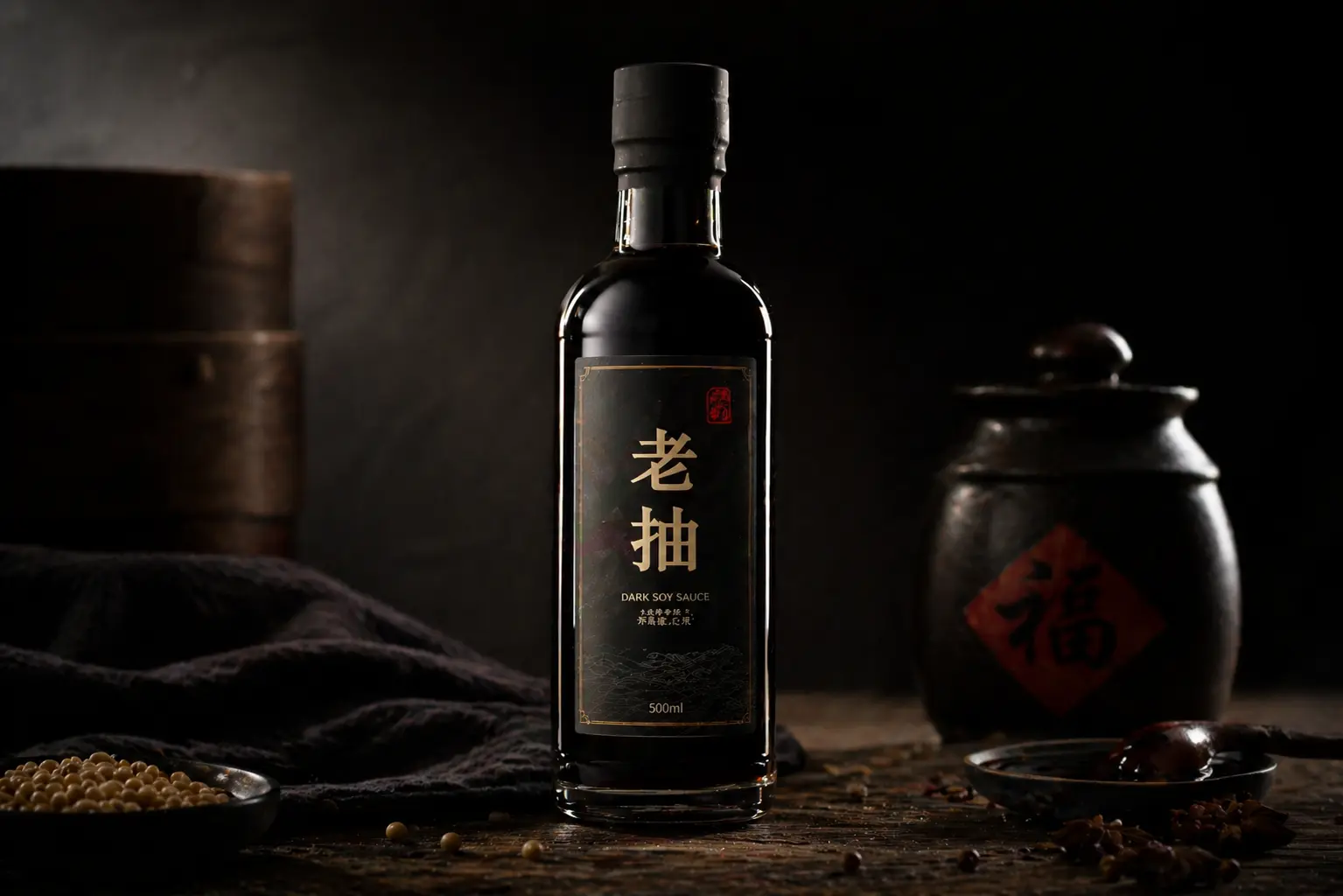
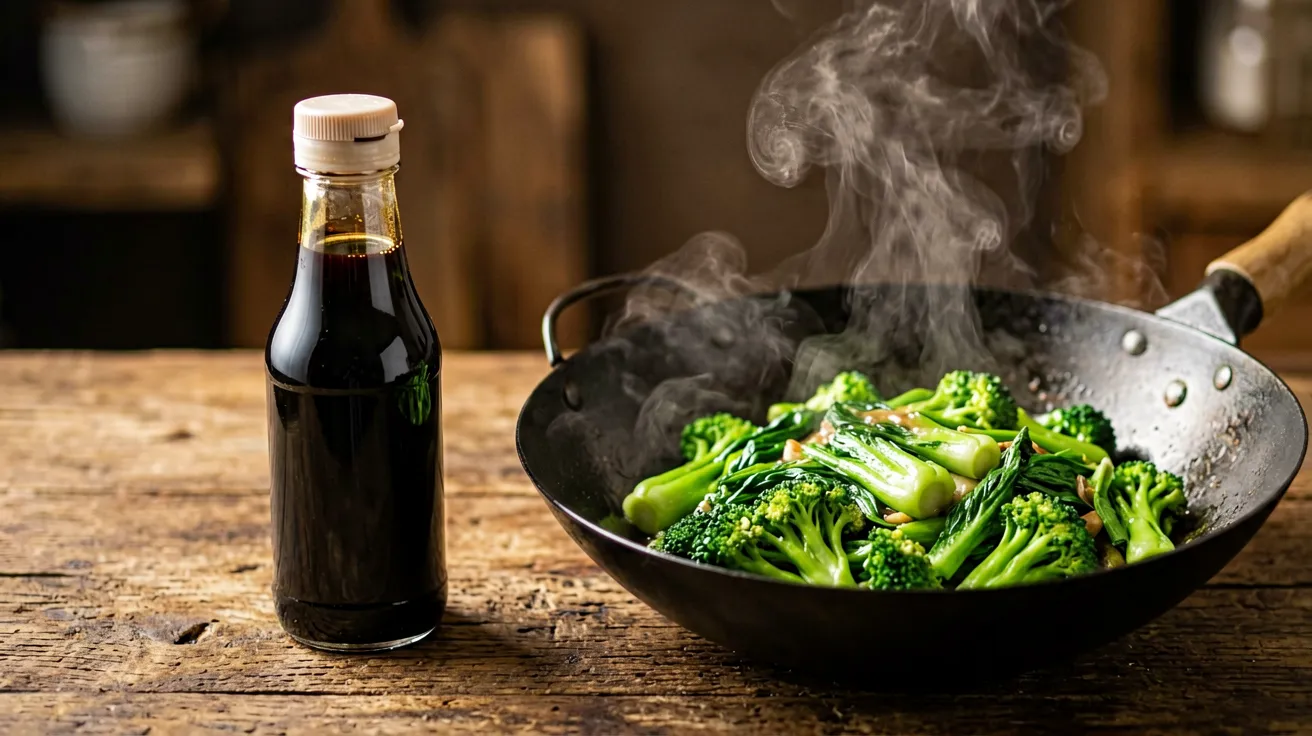
Only Dark Soy in the Pantry
The swap looks obvious until your stir-fry turns muddy and still tastes flat.
How We Judge a Swap
A Good Substitute Still Changes the Dish
The real question is not “can I substitute this?” The real question is “what exactly will I lose, and what do I add back so dinner still works?”
1. Compatibility
How close is the replacement in salt, umami, sweetness, aroma, body, and color?
2. Lost Notes
Which specific parts disappear: brightness, fermented depth, numbing sensation, sweetness, or color?
3. Compensation
What do you add back, in what order, so the dish does not collapse into “close enough”?
Comparisons
Look-Alike Ingredients That Are Not Interchangeable
Support Tools
Use the Right Decision Aid
When the Swap Goes Wrong
Start from the Symptom, Not the Excuse
Most bad substitutions do not announce themselves as substitutions. They show up as blandness, missing punch, dead numbing, or the feeling that the dish tastes “off.”