Chinese Label Decoder
Standing in front of a wall of Chinese labels and can't tell light soy from dark soy? Type any characters you see on the bottle - even just one - and we'll tell you exactly what sauce it is and how to use it.
Type what you can read. Even one character is often enough when the shelf only gives you partial information.
Common Chinese Label Characters
How It Works
1. Look at the label
Find any Chinese character on the bottle. Often on the front near the brand name.
2. Type what you see
You can copy characters from your phone or type them with a Chinese keyboard.
3. Get the ID
We match your characters to known sauces and show you what's in the bottle.
At A Glance
Input
Type Any Character
Even one character is enough. 生, 老, 蚝, 醋 - we decode them all.
Output
Instant Sauce ID
Chinese name, English name, and visual recognition guide.
Result
Quick Reference Grid
Common characters at a glance so you learn as you shop.
Newsletter
The Missing Umami Letter
One email a month: the flavor logic behind a dish, a fix, and one pantry decision worth making. No spam, no filler.
What's in Season
Autumn Ingredients to Cook Now
These autumn ingredients are at their best right now (寒露 / Cold Dew).
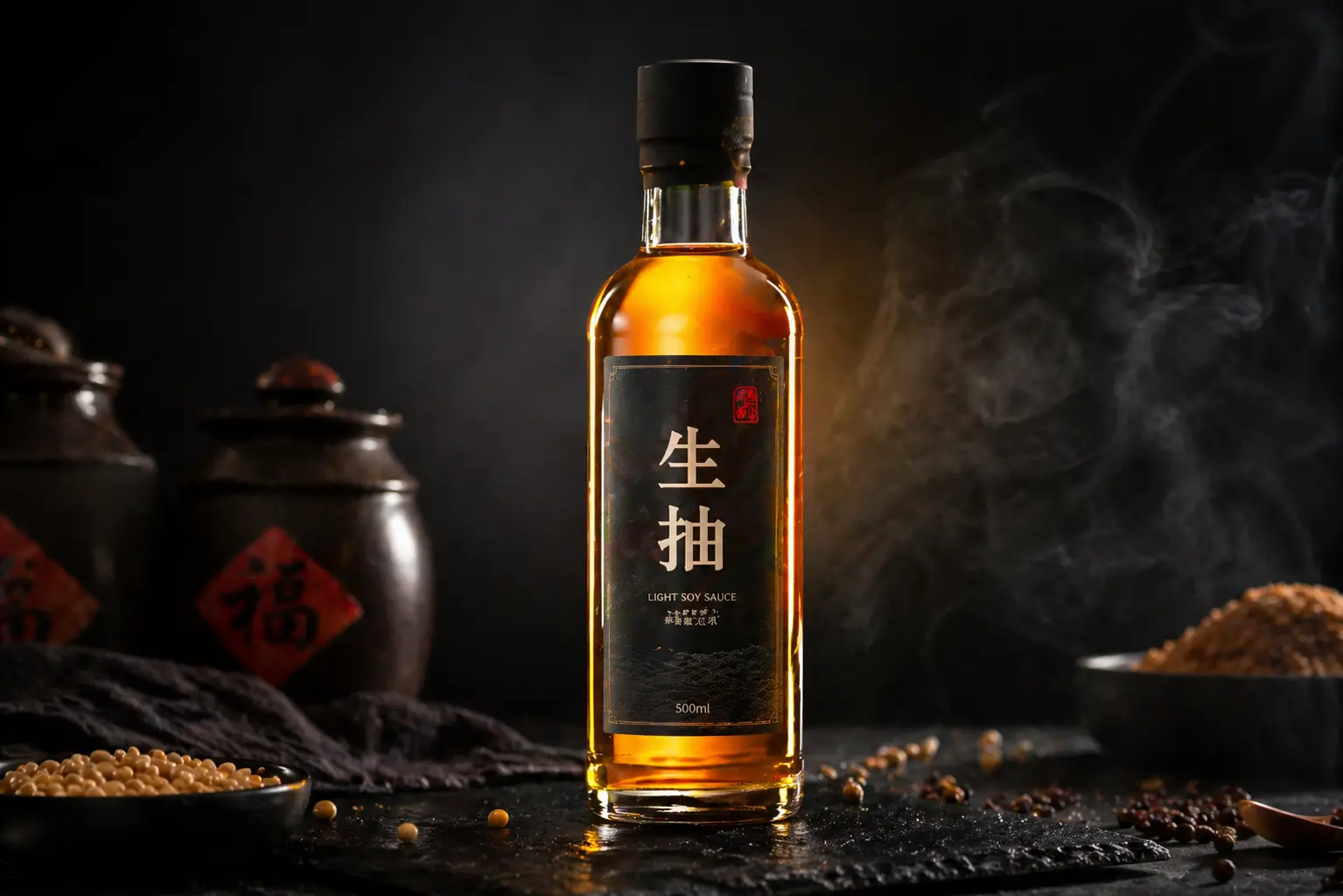
Light Soy Sauce
Light soy sauce is the salt and umami engine of Chinese cuisine. If you only own one Chinese sauce, make it this one.
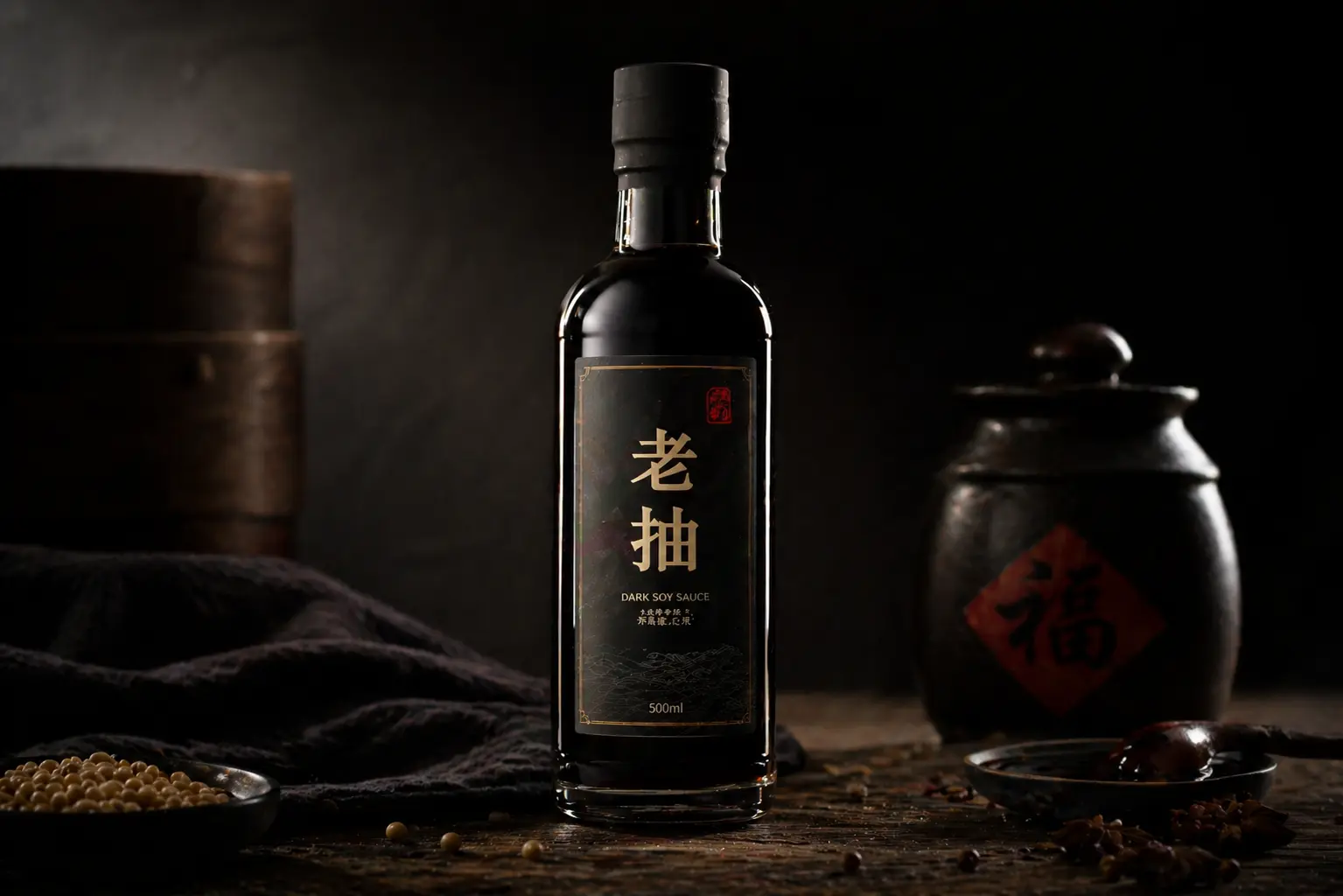
Dark Soy Sauce
Dark soy sauce isn't for seasoning. It's for color, body, and that glossy mahogany finish that makes Chinese braised dishes look like they came from a restaurant.
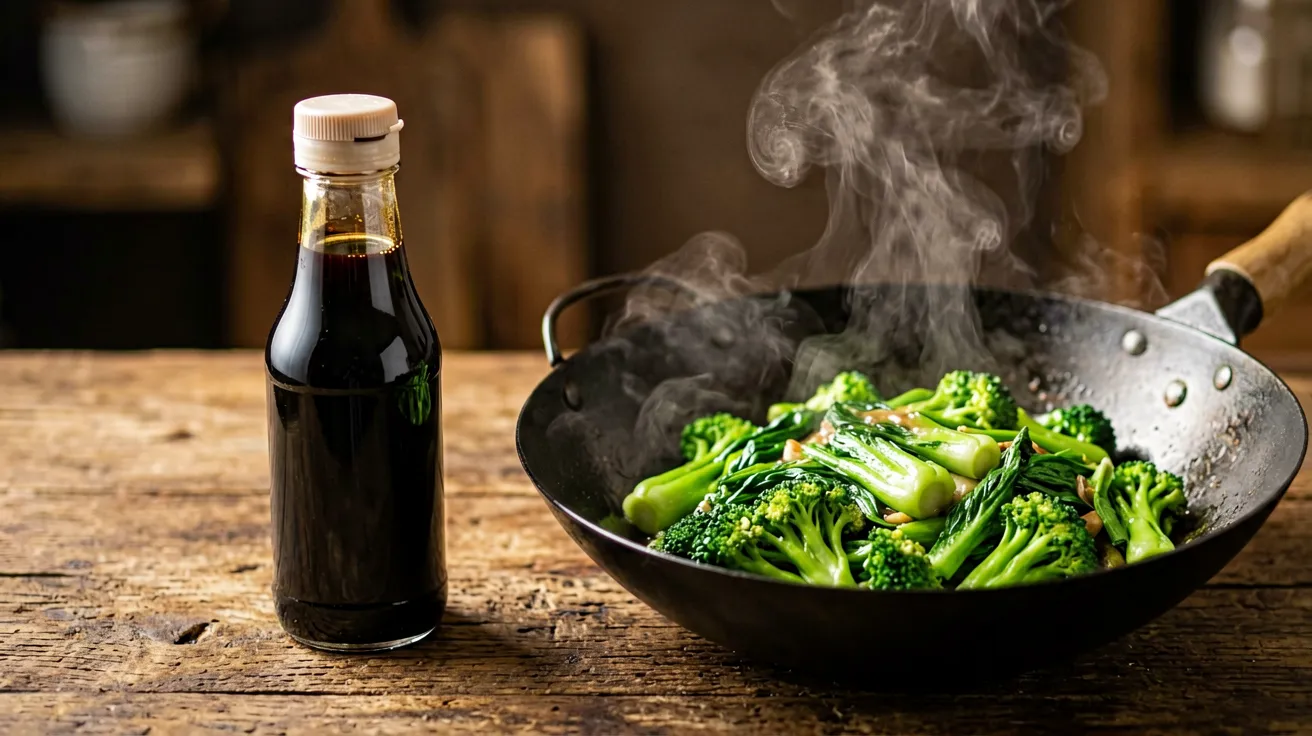
Oyster Sauce
That glossy, savory-sweet coating on restaurant vegetables? That's oyster sauce used correctly. Here's what I learned about when to add it, when to avoid it, and why the brand actually matters.
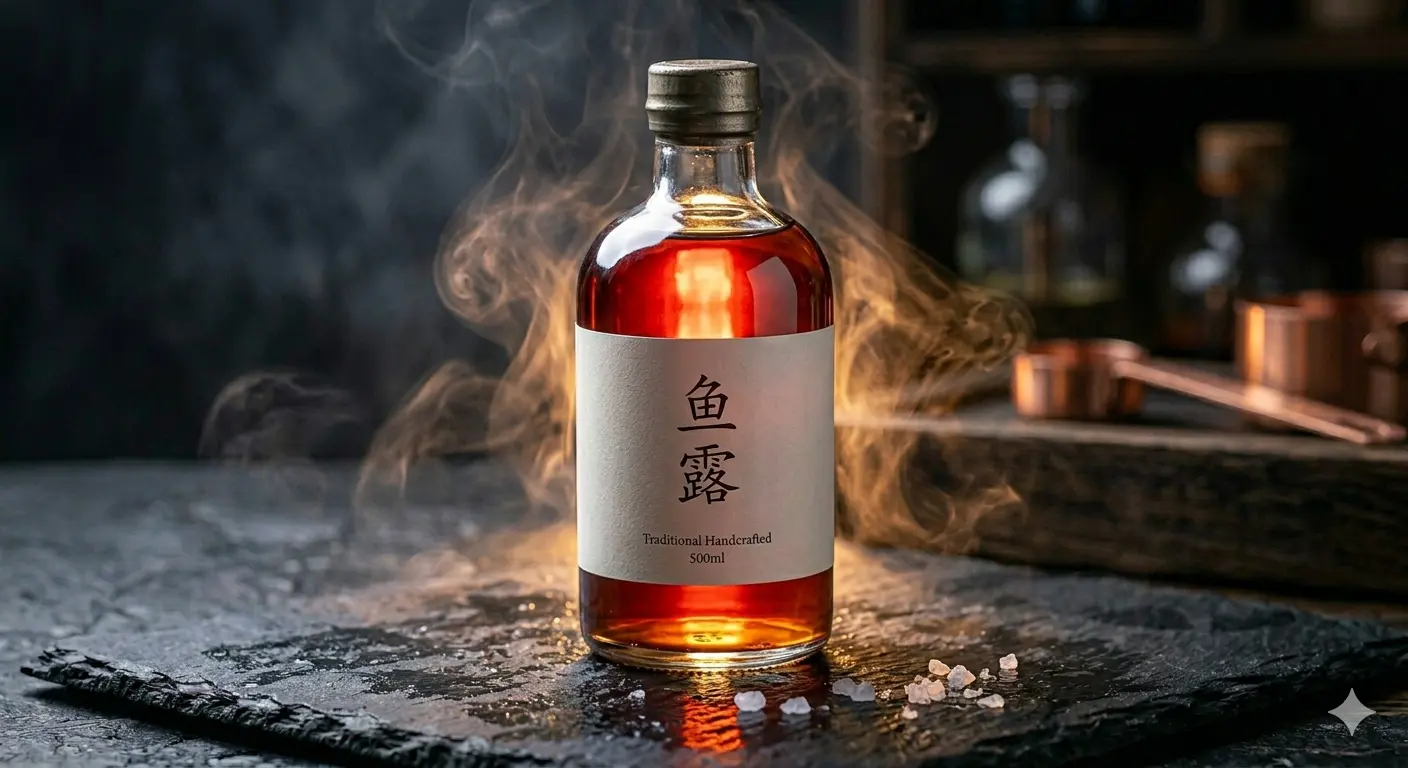
Fish Sauce
Fish sauce smells like a fishing dock at low tide. Cooked, it transforms into the purest umami engine in your pantry. Here's when to use it, when to avoid it, and why it belongs next to your soy sauce.
Tool in Context
What This Tool Is For
Use the tool, but also understand when it matters and what kind of decision it is built to make.
What
A character-to-ingredient identification tool for translating Chinese labels into usable kitchen decisions.
Why
Because shopping errors often happen before cooking errors. If you misread the bottle, the dish fails before the stove even gets hot.
Who
People shopping in Asian groceries, learning to read common label patterns, or trying to stop guessing based on packaging color.
Where
Use it in the grocery aisle, while unpacking a sauce you bought online, or when comparing multiple bottles with similar branding.
Best Used When
Best Used When
- • You can see Chinese characters but do not yet know what they imply functionally.
- • You only recognize one or two label characters and need a fast ID.
- • You want to learn common pantry vocabulary while shopping, not after dinner fails.
Common Mistakes
Common Mistakes
- • Assuming bottle color is a reliable proxy for product type.
- • Ignoring key characters like 生, 老, 蚝, 醋, and 豆瓣.
- • Buying the sauce first and looking up the label after you get home.
Related Reads
Read Around the Tool
Light Soy Sauce
The most common label decoding target for first-time shoppers.
Dark Soy Sauce
Why 老抽 is not the same thing as regular soy sauce.

Oyster Sauce
One of the most misread bottles in the aisle.
Sauce Decoded
The cluster page for learning the whole bottle family, not just one label.
Related
Apply This In The Kitchen
Sources & Standards
- China national food standards (GB 2717, GB 2718) — Soy sauce is standardised under GB 2717 and fermented bean pastes under GB 2718. These define 生抽 / 老抽 / 酿造 legally, which is why label characters can be trusted over packaging colour.
- MDBG Chinese Dictionary — Look up any character straight off the bottle, including the ones this decoder has not seen. Dictionary entries carry stroke order and tone, which makes a new character readable rather than just pronounceable.
- 生抽 — Wiktionary — The single most diagnostic pair on a Chinese sauce shelf: 生 means raw or light, 抽 means draw. Together they mean light soy, and no other common sauce shares both.
- Wikipedia — Soy sauce — The 生抽 / 老抽 distinction and the difference between Chinese and Japanese soy, which are frequently labelled identically in English.
- Wikipedia — Oyster sauce — 蚝油 vs 耗油, and why the 蚝 character (oyster) is the only reliable marker — colour and texture vary wildly between brands.
- Wikipedia — Douchi — 豆豉 covers several distinct products, from salted black beans to fermented sweet pastes. The qualifier after 豆豉 is what actually tells you which one you bought.
- Wikipedia — Doubanjiang — 豆瓣 is not a single paste. 郫县豆瓣, 甜面酱 and 辣豆豉 are different products that share the character.
- Wikipedia — Shaoxing wine — 绍兴酒 against 花雕 and plain 料酒. Cooking wine sold outside China is frequently not Shaoxing wine at all, and the label says so.