Science Cluster
Umami Science in Chinese Cooking
Learn how umami works in Chinese cooking, why restaurant dishes feel deeper than home versions, and why seasoning only for salt misses the whole point.
Core Molecule
Glutamate
Big Idea
Stacking
Common Failure
Seasoning for Salt Only
Foundations
Foundations
Start with the definition, the history, and the science of savory depth.
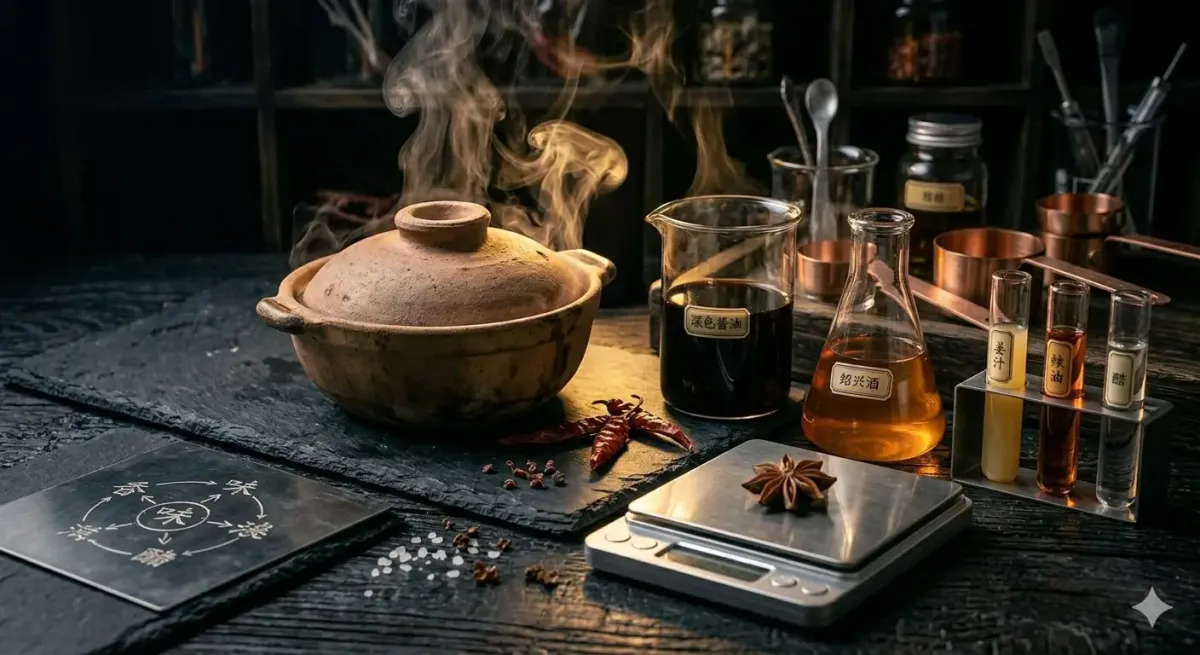
Japan Named Umami. China Invented It.
The word 'umami' was coined in Tokyo in 1908. But Chinese cooks had been layering glutamates for 3000 years before anyone gave it a name.
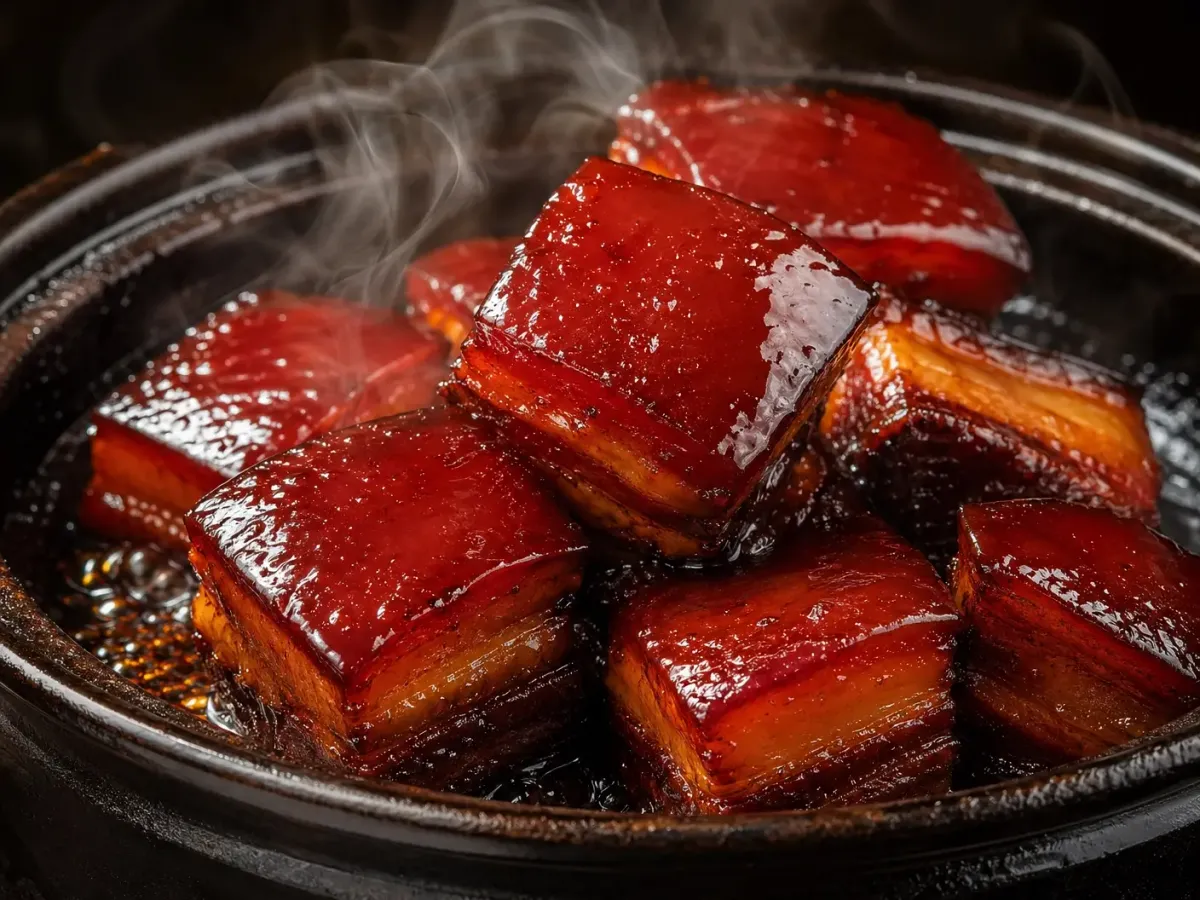
What Is Umami? — I Cooked the Same Stir-Fry 9 Times to Prove the Fifth Taste Exists
Sweet, sour, salty, bitter... and umami. The 100-year-old discovery that changed how we understand flavor — and what happened when I tested umami stacking in my own kitchen.
Fermentation Science
Fermentation Science
The microbial chemistry behind soy sauce, bean paste, fermented tofu, and douchi — and how to use it.
Myths & Reality
Myths & Reality
Fear of MSG, misunderstanding restaurant flavor, and flattening everything into “too much salt.”
MSG Myths — I Was Afraid of It, Then I Tested It, and Now I Use It Almost Every Day
Chinese Restaurant Syndrome was a single anecdote that became a 50-year myth. I spent two months researching the science, cooking with MSG, and serving it to friends without telling them. Here's what I found.
What Is MSG? The White Crystal That Makes Food Taste Alive
MSG is the flavor of your grandmother's stock, crystallized into a white powder — and the fear around it began with a 1968 letter, not a study. What MSG is, what it isn't, and how to use it.
Why Restaurant Chinese Food Tastes Different — I Watched a Chengdu Chef for Four Hours and Finally Understood
You've got the right soy sauce. The right Shaoxing wine. You've followed the recipe to the letter. But it still doesn't taste like takeout. Here's the final 10% that Chinese restaurants know and recipes never tell you.
Under Pressure
Substitutes When the Umami Chain Breaks
These are not random swap guides. They exist because one missing ingredient can collapse the whole flavor stack.
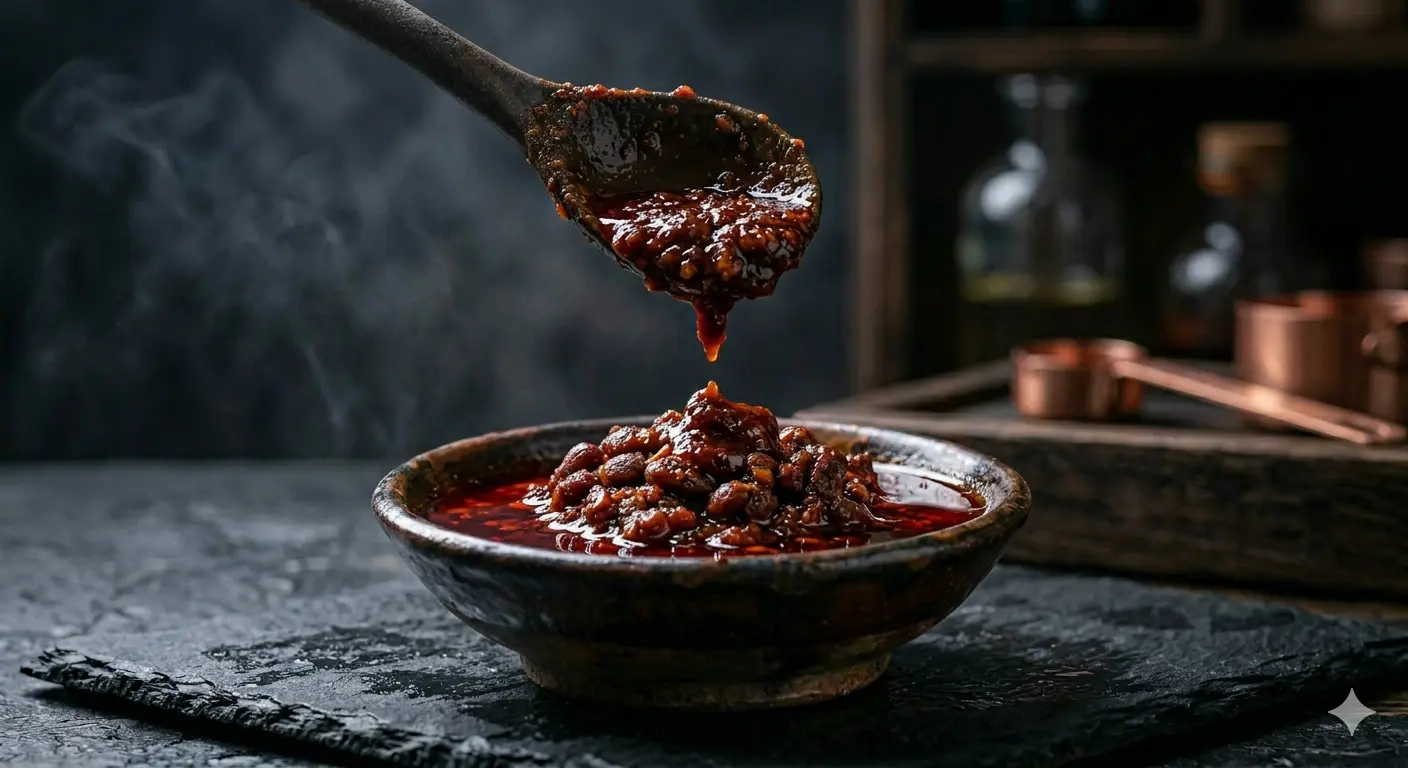
Doubanjiang Substitutes — I Tested Every Alternative So You Don't Ruin Your Mapo Tofu
No doubanjiang? Gochujang is 47% there. Miso + chili oil is 35%. Plain chili paste is 20%. Here's the honest math on each substitute, based on side-by-side cooking tests in my Hong Kong kitchen.
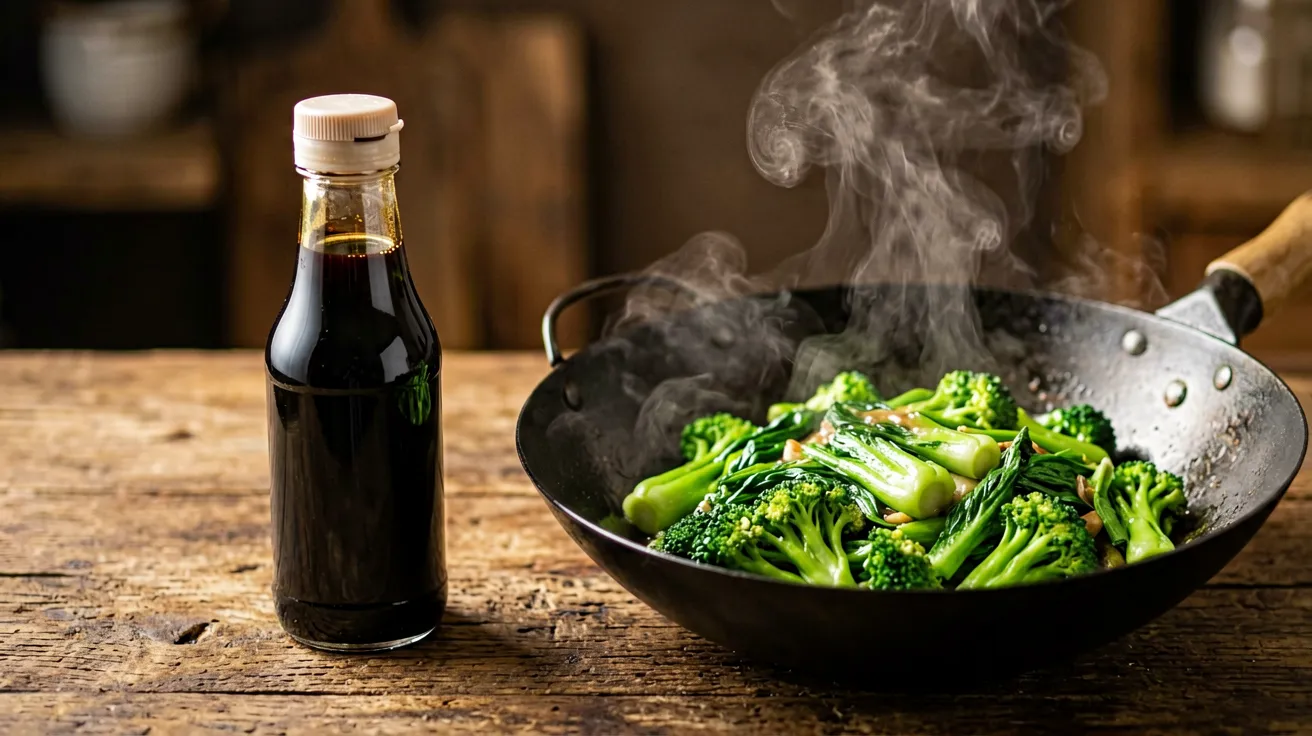
Best Oyster Sauce Substitutes — I Tested 6 Alternatives So You Don't Have To
No oyster sauce? I tested hoisin, mushroom oyster sauce, soy sauce + sugar, fish sauce blend, coconut aminos, and teriyaki — side by side in identical stir-fries. See which substitute actually works (ranked from best to worst) and which one burns your dinner.
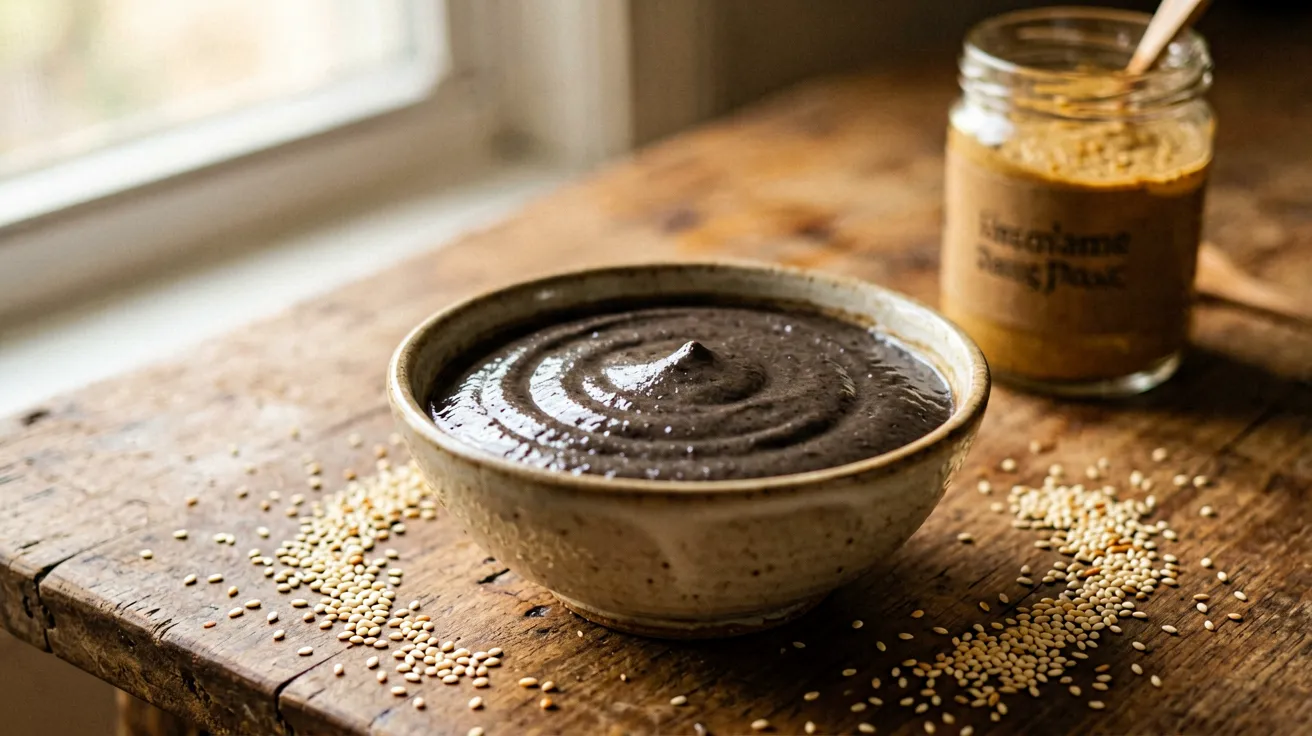
Best Sesame Paste Substitutes — Chinese Sesame Paste vs Tahini & 5 More Tested
No Chinese sesame paste? I tested tahini, peanut butter, cashew butter, DIY sesame paste, sunflower seed butter, and almond butter — side by side in identical hot pot dipping sauce and cold noodles. See which substitute actually works (ranked from best to worst) and which one changes the entire dish.
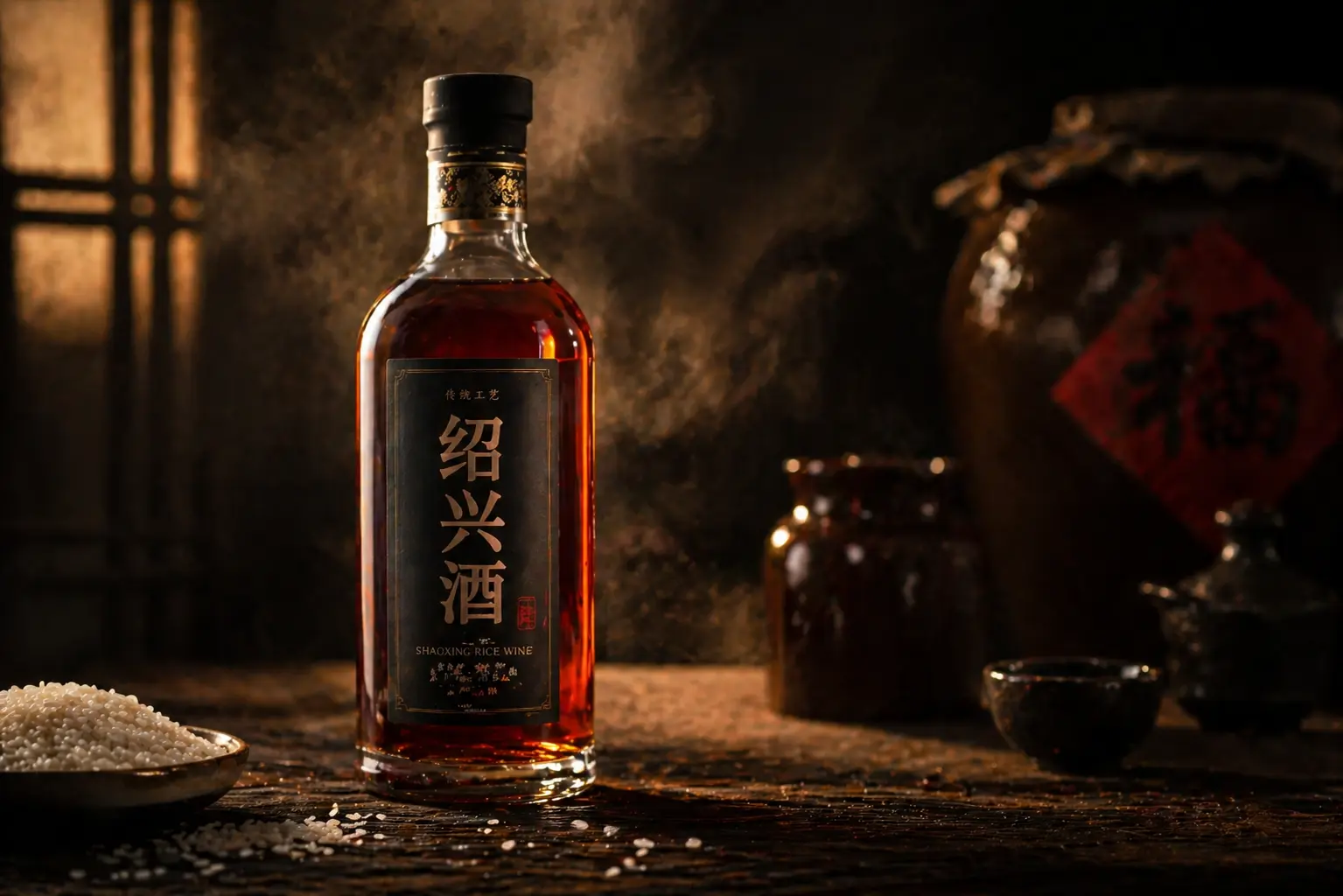
Best Shaoxing Wine Substitutes — I Tested 5 Alternatives So You Don't Have To
No Shaoxing wine? I tested dry sherry, sake, white wine, mirin, and nothing — side by side in identical stir-fries. See which substitute actually works (ranked from best to worst) and which one ruins your dish.
Umami Calculator
Stack ingredients, compare synergy, and see whether your dish is still missing depth.
Pantry Readiness
See whether your pantry can actually support the flavor stacking you are aiming for.
Rule of Thumb
One Savory Source Is Usually Not Enough
Soy sauce gives you a base note. Restaurant flavor usually comes from at least one more umami layer.