Soy Sauce Decoder
Standing in the Asian grocery aisle with a bottle in your hand? Tell us what you're cooking or what sauce you have - we'll tell you if it works, what flavor you lose, and how to fix dinner before it hits the wok.
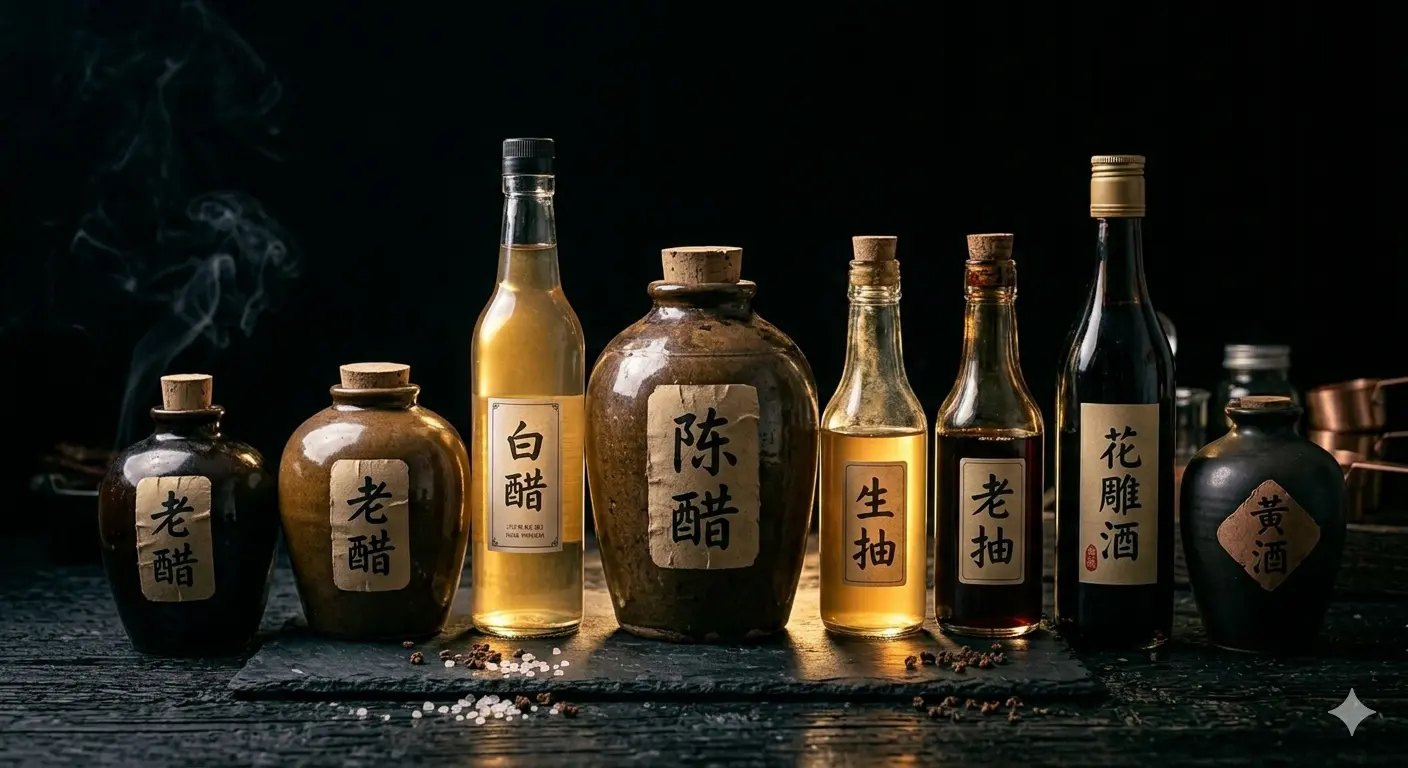
Quick dish picks
Quick sauce picks
How It Works
1. Pick your context
Dish-first if you're cooking. Sauce-first if you're decoding a bottle.
2. We compare flavor vectors
Salt, umami, sweetness, aroma, color, viscosity, and more.
3. You get a kitchen decision
Compatibility score, flavor losses, compensation steps, and authenticity retention.
At A Glance
Mode A
Dish -> Sauce
You know the dish. We judge the bottle in your hand.
Mode B
Sauce -> Dishes
You know the bottle. We show where it belongs.
Output
Compatibility + Fix
Not blog advice. A scored answer with compensation.
Newsletter
The Missing Umami Letter
One email a month: the flavor logic behind a dish, a fix, and one pantry decision worth making. No spam, no filler.
What's in Season
Autumn Ingredients to Cook Now
These autumn ingredients are at their best right now (寒露 / Cold Dew).
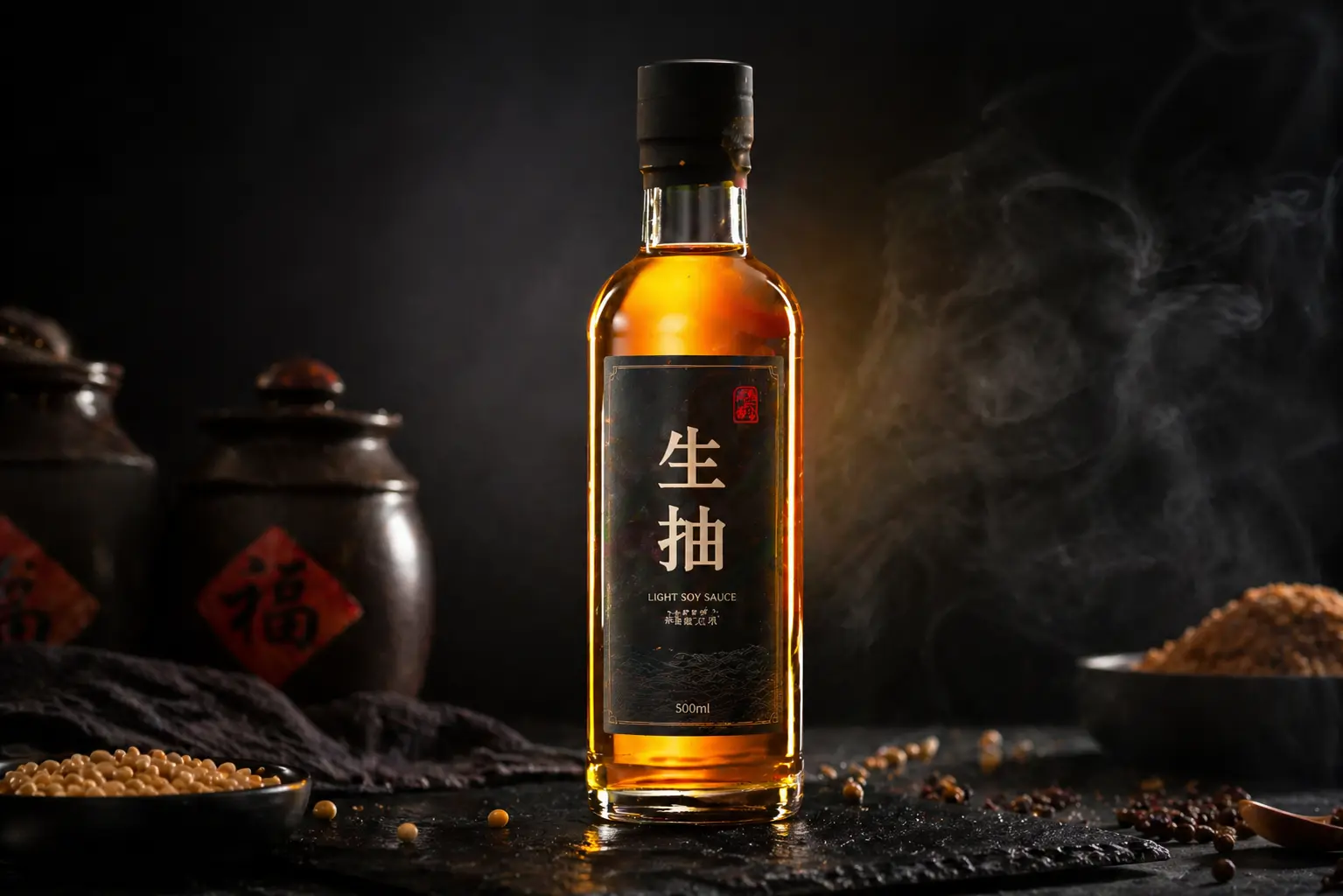
Light Soy Sauce
Light soy sauce is the salt and umami engine of Chinese cuisine. If you only own one Chinese sauce, make it this one.
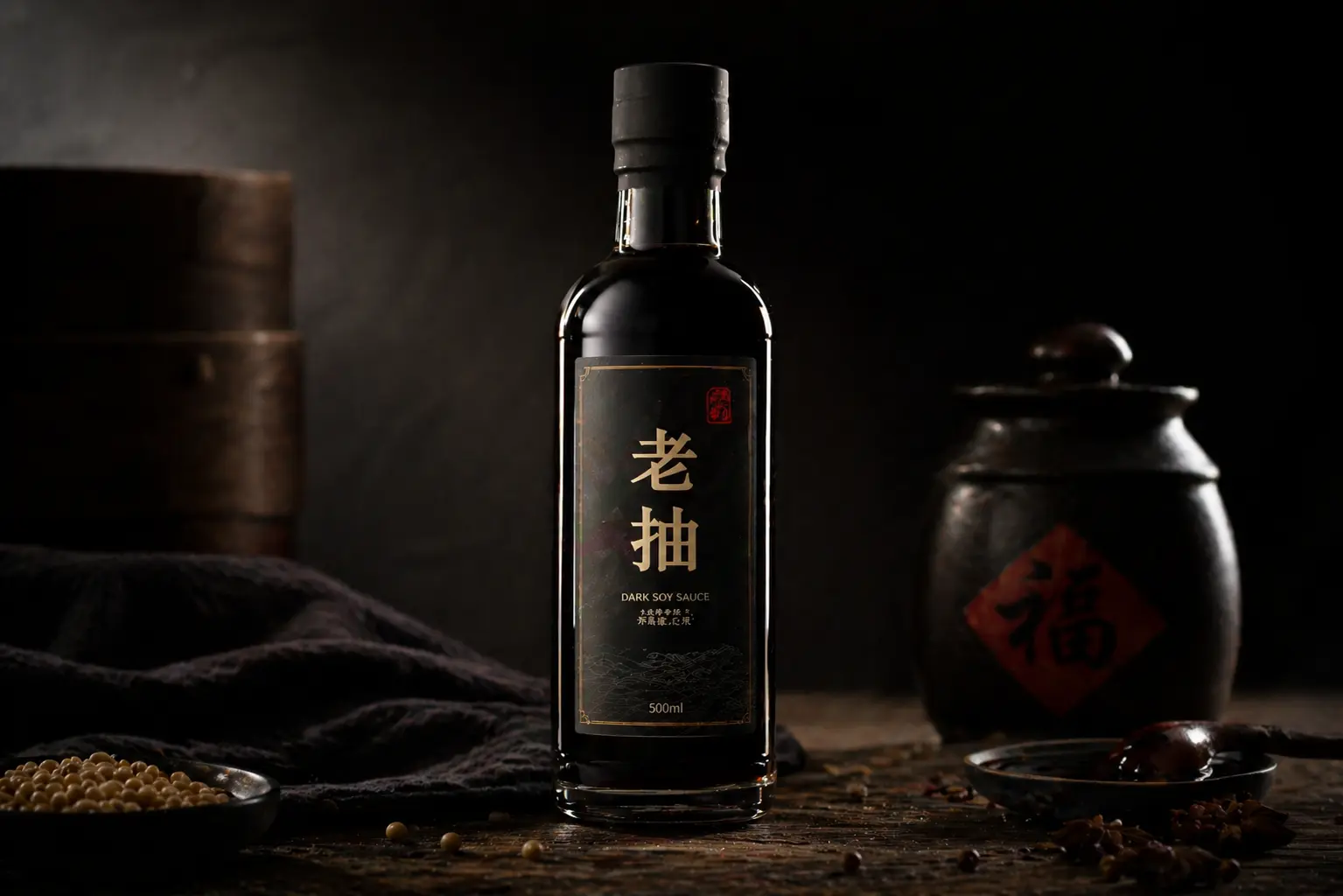
Dark Soy Sauce
Dark soy sauce isn't for seasoning. It's for color, body, and that glossy mahogany finish that makes Chinese braised dishes look like they came from a restaurant.
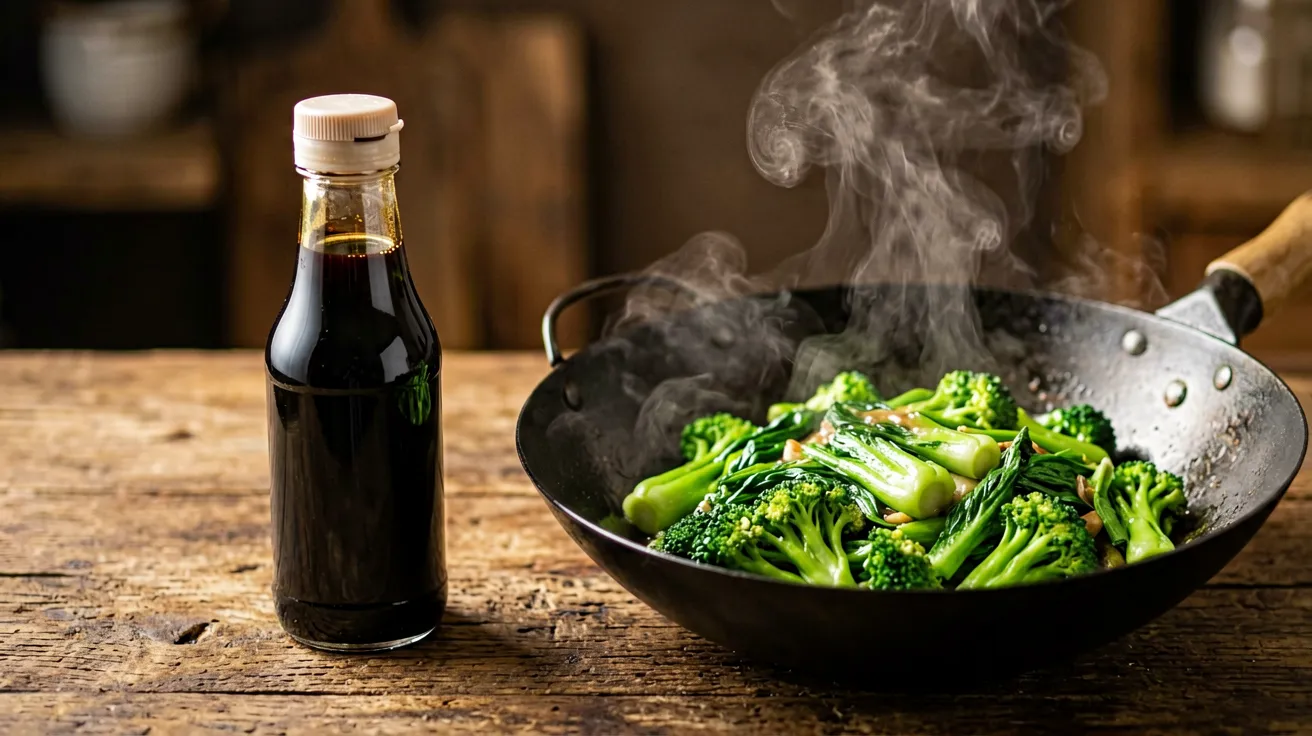
Oyster Sauce
That glossy, savory-sweet coating on restaurant vegetables? That's oyster sauce used correctly. Here's what I learned about when to add it, when to avoid it, and why the brand actually matters.
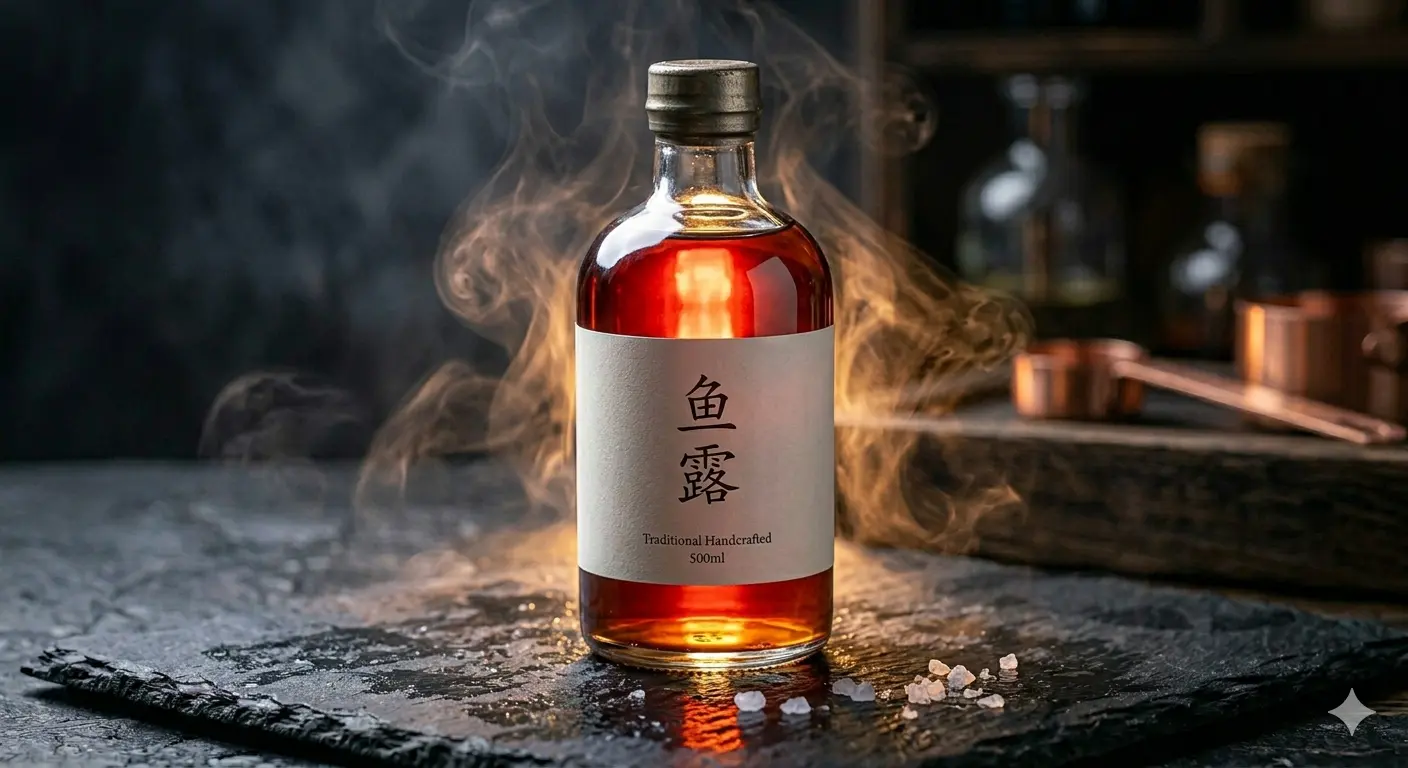
Fish Sauce
Fish sauce smells like a fishing dock at low tide. Cooked, it transforms into the purest umami engine in your pantry. Here's when to use it, when to avoid it, and why it belongs next to your soy sauce.
Tool in Context
What This Tool Is For
Use the tool, but also understand when it matters and what kind of decision it is built to make.
What
A decision tool for matching the sauce in your hand to the flavor role a dish actually needs.
Why
Because 'soy sauce' is not one product, and using the wrong one is the fastest way to make Chinese food taste muddy or flat.
Who
Home cooks shopping in Asian grocery aisles, translating vague recipes, or trying to understand why a stir-fry still tastes wrong.
Where
Use it in the grocery aisle, during mise en place, or right after tasting a dish that is salty but still missing depth.
Best Used When
Best Used When
- • A recipe says "soy sauce" without telling you whether it means light or dark soy.
- • You only have one bottle and need to know whether dinner is still salvageable.
- • Your stir-fry tastes flat even though you already seasoned it.
Common Mistakes
Common Mistakes
- • Treating dark soy as if it were a stronger version of light soy.
- • Swapping tamari, oyster sauce, or fish sauce 1:1 without accounting for lost notes.
- • Choosing by bottle color instead of by what the sauce is supposed to do in the dish.
Related Reads
Read Around the Tool
Light Soy Sauce
The seasoning backbone of Chinese cooking.
Dark Soy Sauce
Color, body, and braising logic.
Light Soy vs Dark Soy
The difference that changes everything.
Why Your Stir Fry Tastes Flat
The failure path most often caused by the wrong bottle.
Related
Apply This In The Kitchen
Sources & Standards
- Soy sauce — Where the 生抽 / 老抽 split and the Chinese-versus-Japanese divergence are documented. English-language labels often use "soy sauce" for both.
- Tamari — Tamari is the by-product of sake brewing and is lighter and less salty than 生抽. Treating it as a one-for-one swap is the most common decoder error.