Substitution Calculator
The recipe calls for Shaoxing wine. You have dry sherry. Close enough? Not always. Every substitution has a mathematical answer - compatibility score, lost flavor notes, and exact compensation steps.
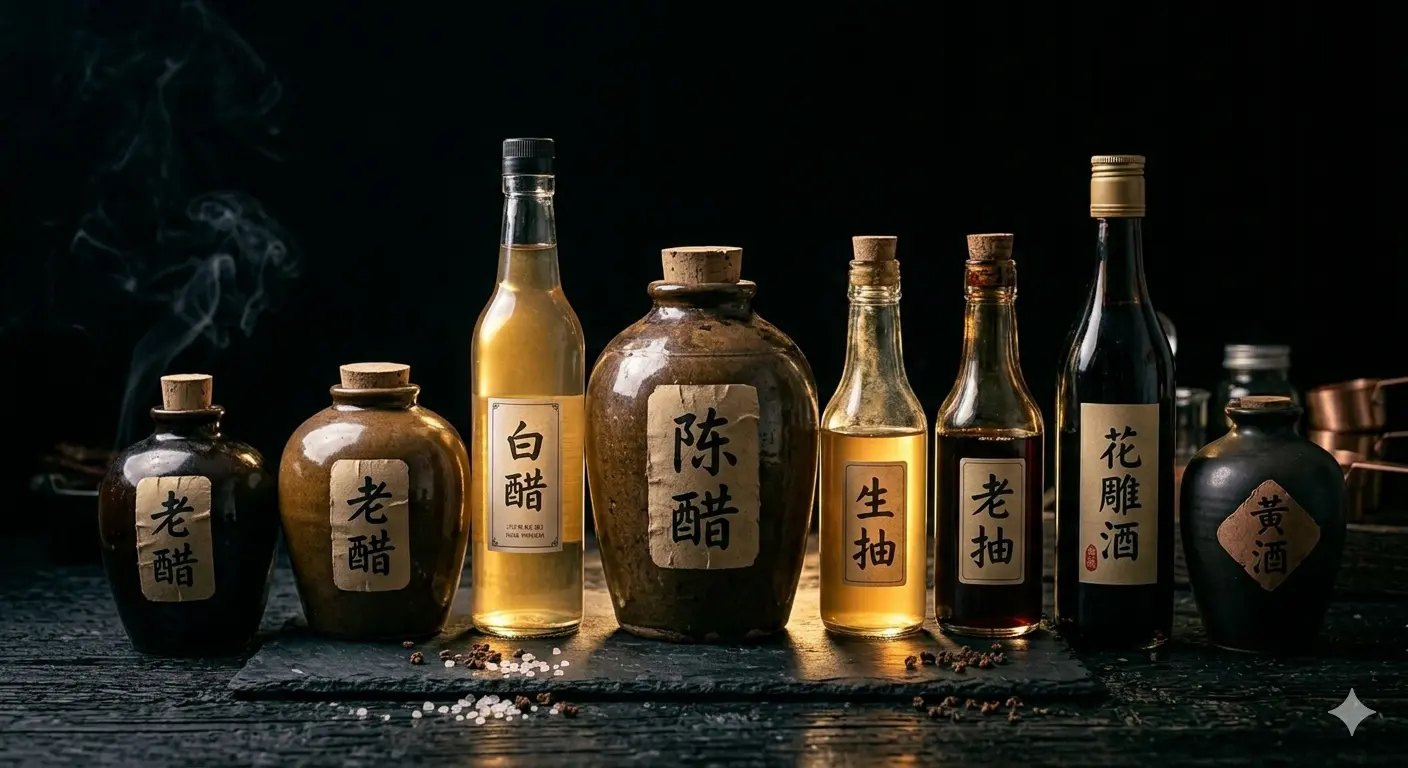
Pursuing authentic taste. We'll tell you honestly if the substitute changes the dish.
Quick substitutions
How It Works
1. Pick what you don't have
Select the ingredient your recipe needs but your pantry lacks.
2. Pick what you do have
Choose your closest substitute from the shelf.
3. See the flavor delta
Compatibility score, lost notes, and the exact tweaks you need.
At A Glance
Mode A
Authentic Mode
Honest advice. What you lose. What to compensate.
Mode B
Emergency Mode
Dinner needs to happen tonight. Closest possible match.
Output
Scored Answer
Compatibility %, flavor deltas, and concrete fix steps.
Newsletter
The Missing Umami Letter
One email a month: the flavor logic behind a dish, a fix, and one pantry decision worth making. No spam, no filler.
What's in Season
Autumn Ingredients to Cook Now
These autumn ingredients are at their best right now (寒露 / Cold Dew).
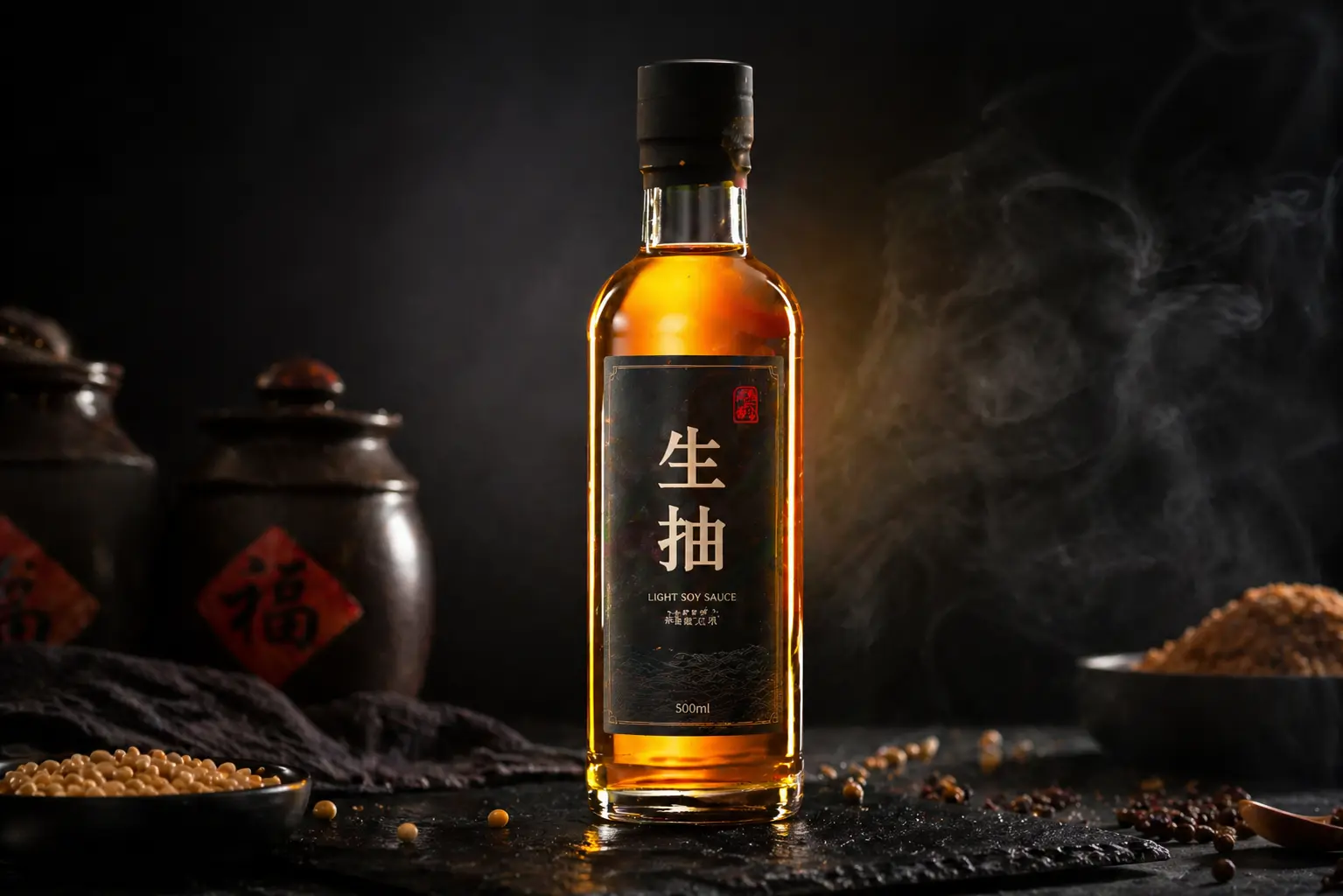
Light Soy Sauce
Light soy sauce is the salt and umami engine of Chinese cuisine. If you only own one Chinese sauce, make it this one.
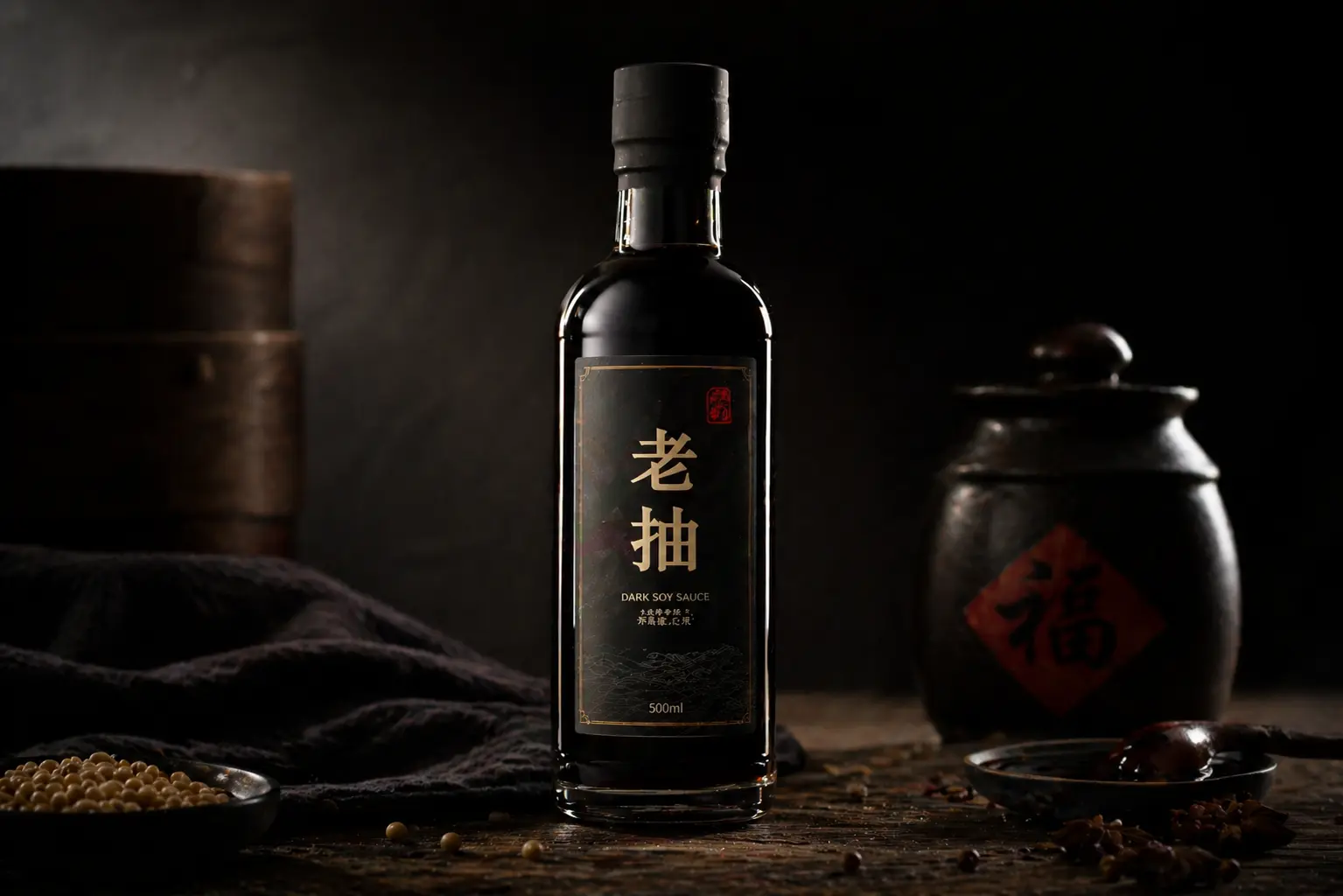
Dark Soy Sauce
Dark soy sauce isn't for seasoning. It's for color, body, and that glossy mahogany finish that makes Chinese braised dishes look like they came from a restaurant.
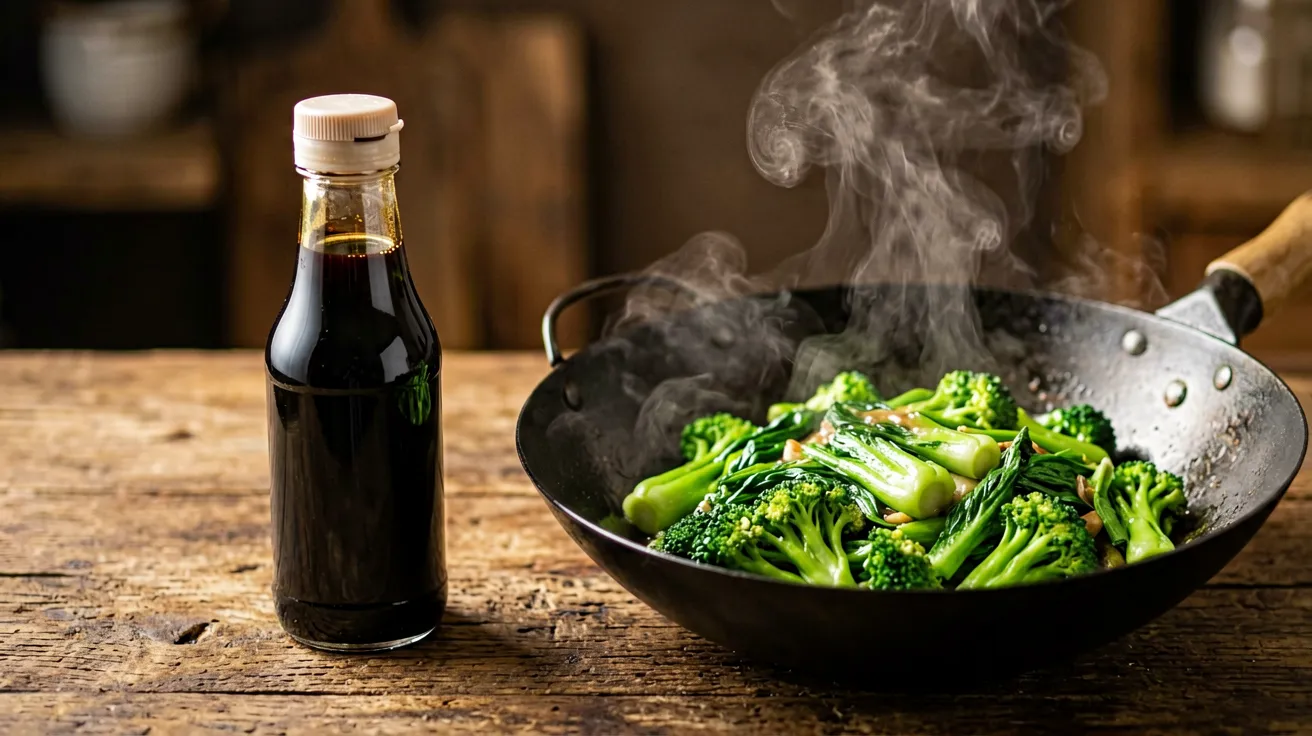
Oyster Sauce
That glossy, savory-sweet coating on restaurant vegetables? That's oyster sauce used correctly. Here's what I learned about when to add it, when to avoid it, and why the brand actually matters.
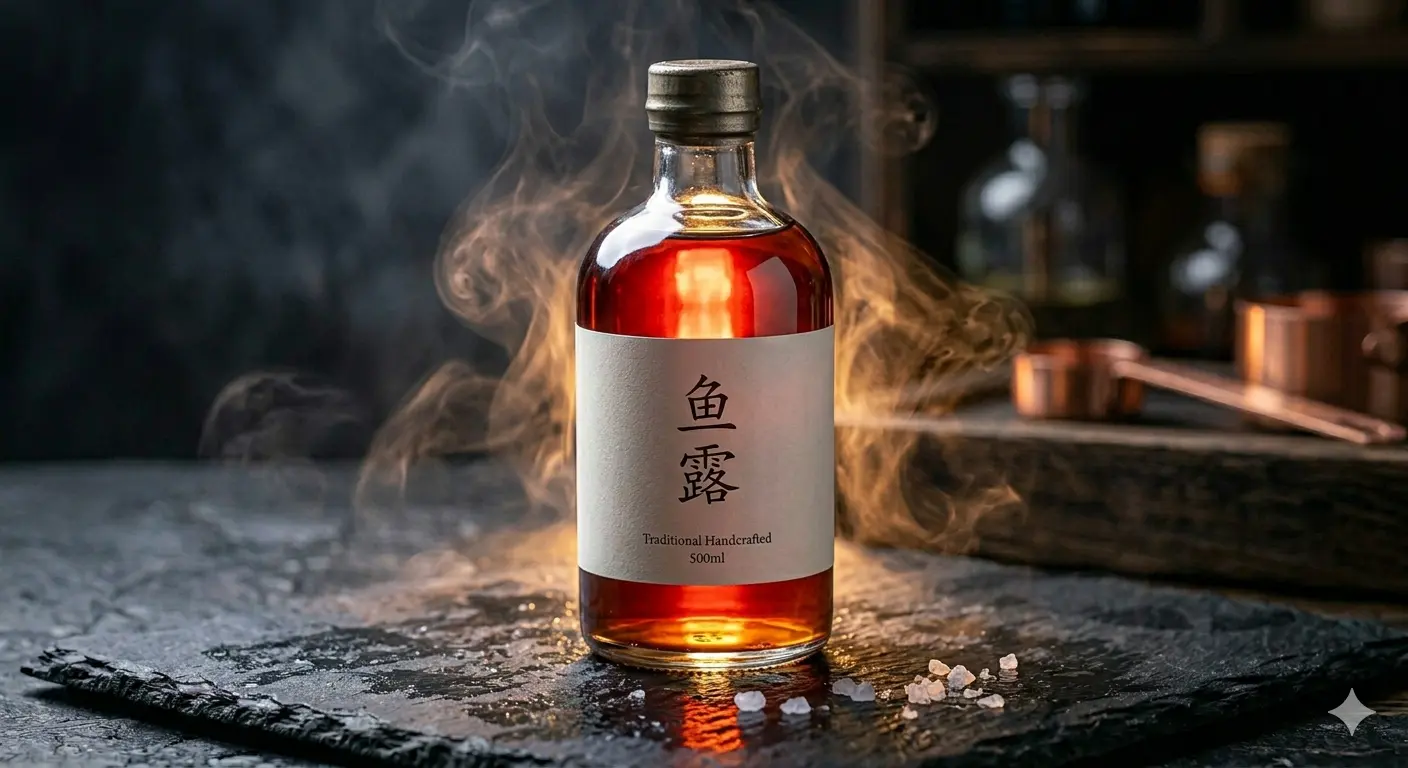
Fish Sauce
Fish sauce smells like a fishing dock at low tide. Cooked, it transforms into the purest umami engine in your pantry. Here's when to use it, when to avoid it, and why it belongs next to your soy sauce.
Tool in Context
What This Tool Is For
Use the tool, but also understand when it matters and what kind of decision it is built to make.
What
A substitution tool that scores how much flavor fidelity survives when you replace one Chinese ingredient with another.
Why
Because most substitutions are not neutral. Even a workable replacement changes salt, umami, aroma, color, or body.
Who
People cooking tonight without the exact pantry item, and people trying to learn which swaps preserve dish logic and which break it.
Where
Use it mid-cook when you realize an ingredient is missing, or during pantry planning when you are deciding what counts as a real backup.
Best Used When
Best Used When
- • You are missing a key sauce, wine, paste, or vinegar but still want a controlled result.
- • You want to know what to add back after a substitute changes the dish.
- • You need to separate authentic advice from emergency-only advice.
Common Mistakes
Common Mistakes
- • Asking only whether a substitute is possible instead of what it changes.
- • Ignoring category mismatch, such as replacing a savory glaze with a sweet sauce.
- • Using a substitute and then not compensating for the missing flavor notes.
Related Reads
Read Around the Tool
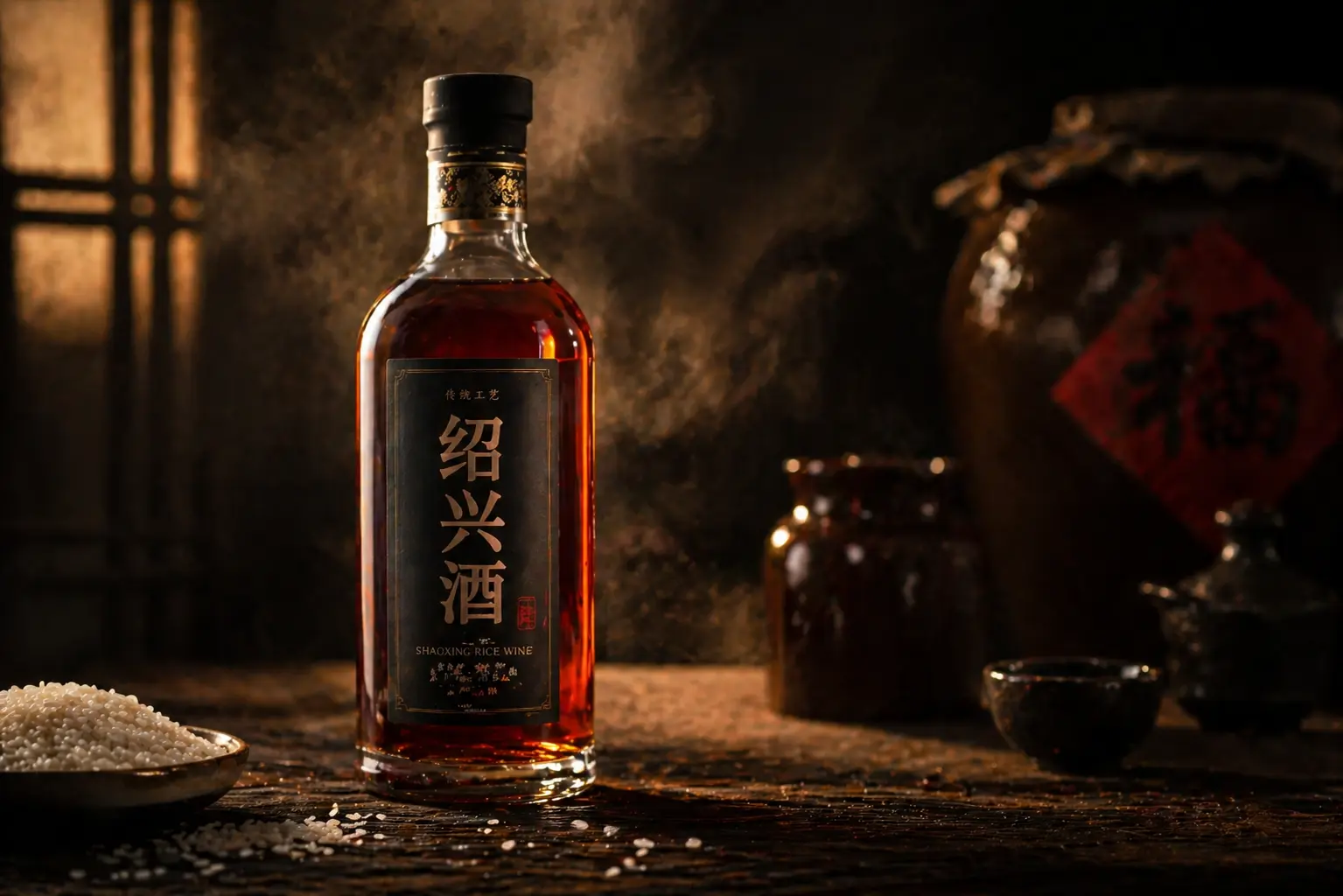
Shaoxing Wine Substitutes
Dry sherry, sake, and what actually survives the swap.
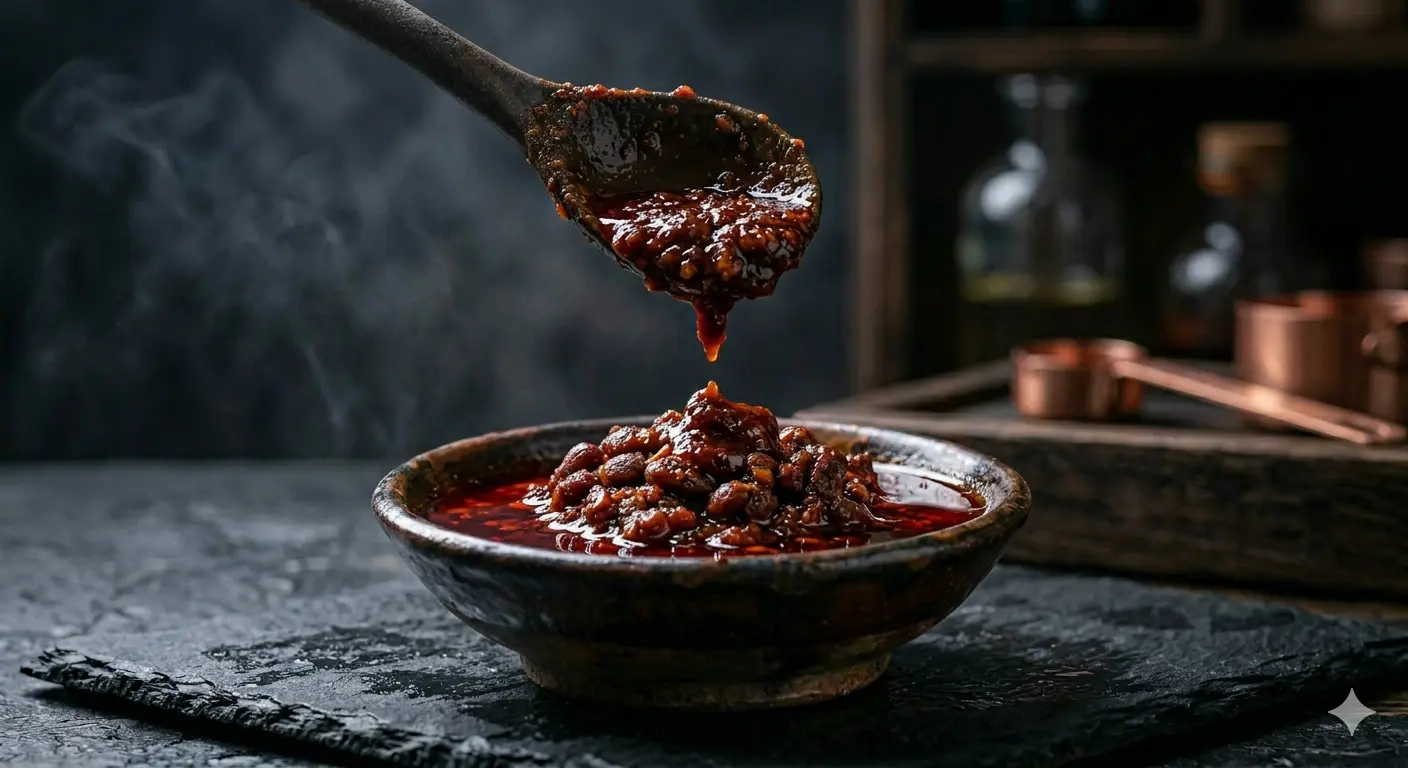
Doubanjiang Substitutes
What you lose when the fermented bean backbone disappears.
Light Soy vs Dark Soy
The comparison most people get wrong before they even start substituting.
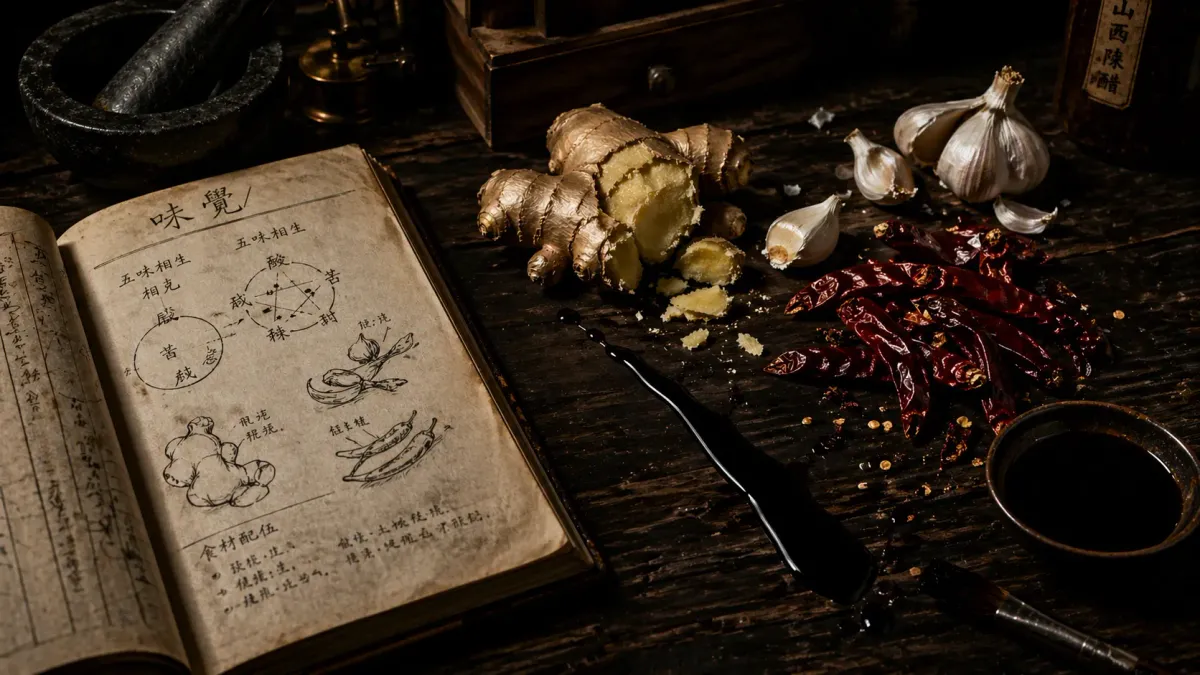
Why Your Kung Pao Has No Punch
A live example of substitution failure showing up as flavor loss.
Related
Apply This In The Kitchen
Sources & Standards
- Oyster sauce — The glutamate-plus-sugars profile that a mushroom-based substitute is approximating, and the sweetness it usually over-replicates.
- Rice vinegar — Acidity and amino-acid content against grain vinegars — the reason a rice vinegar swap fails where a mild sherry succeeds.