Ingredient Library
Chinese Ingredients Guide
Browse Chinese sauces, tofu, vinegars, spices, and pantry staples with practical notes on flavor, uses, substitutes, and shopping clues.
Total Ingredients
17
Core Categories
4
Focus
Flavor Roles
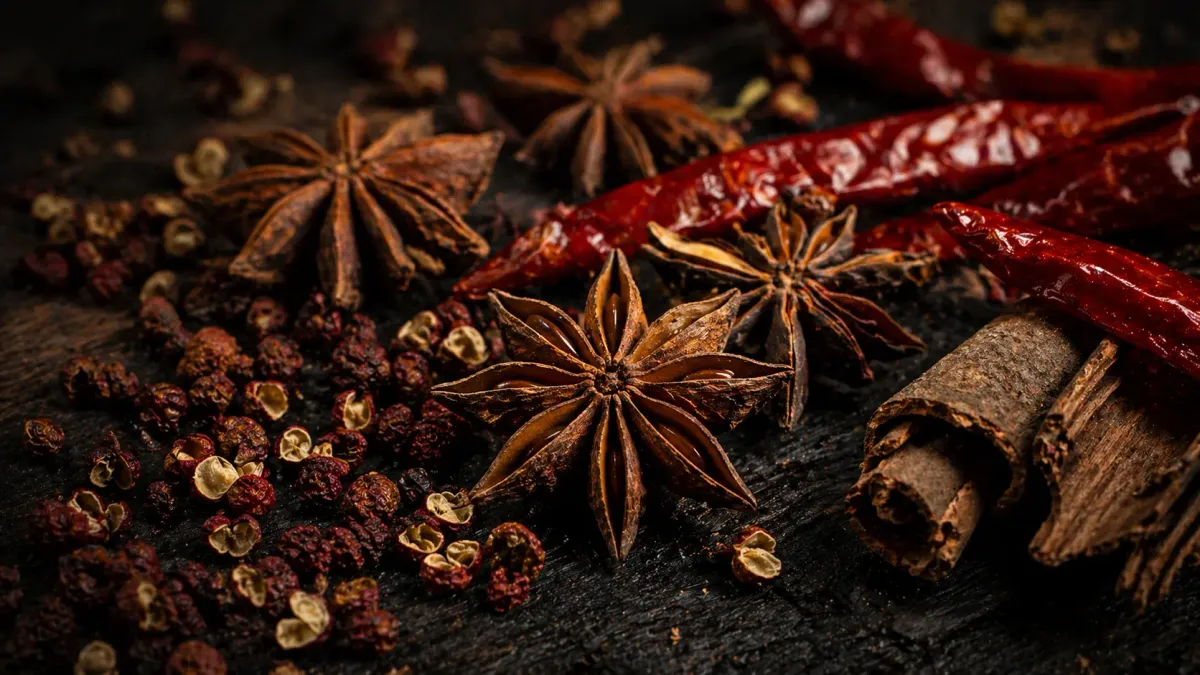
Explore the Cluster
Resources, tools, comparisons, and failure paths.
Track 1
Summer Cooling Ingredients
Bitter Melon — The Summer Vegetable Your Body Needs When It's 40°C
Bitter melon is the most misunderstood ingredient in Chinese cooking. It's not a punishment — it's thermal intelligence. Here's why it appears in every 大暑 (Major Heat) menu and how to cook it so it actually tastes good.
Lotus Root — The Crunch That Survives Summer Heat
Lotus root is one of the most versatile ingredients in the Chinese summer kitchen. It's crunchy, slightly sweet, and works hot or cold. Here's how to choose, prepare, and cook it.
Mung Bean — The One Soup That Cools You From the Inside Out
Mung bean soup is the unsung hero of the Chinese summer kitchen. It's not fancy. It's not complicated. But when the temperature hits 40°C, it's the one thing your body actually wants.
Winter Melon — The Most Refreshing Ingredient You're Not Cooking With
Winter melon is a paradox — a winter-named vegetable that is at its absolute best in the dead of summer. It's bland, watery, and utterly indispensable for beating the heat.
Track 2
Soy Sauces
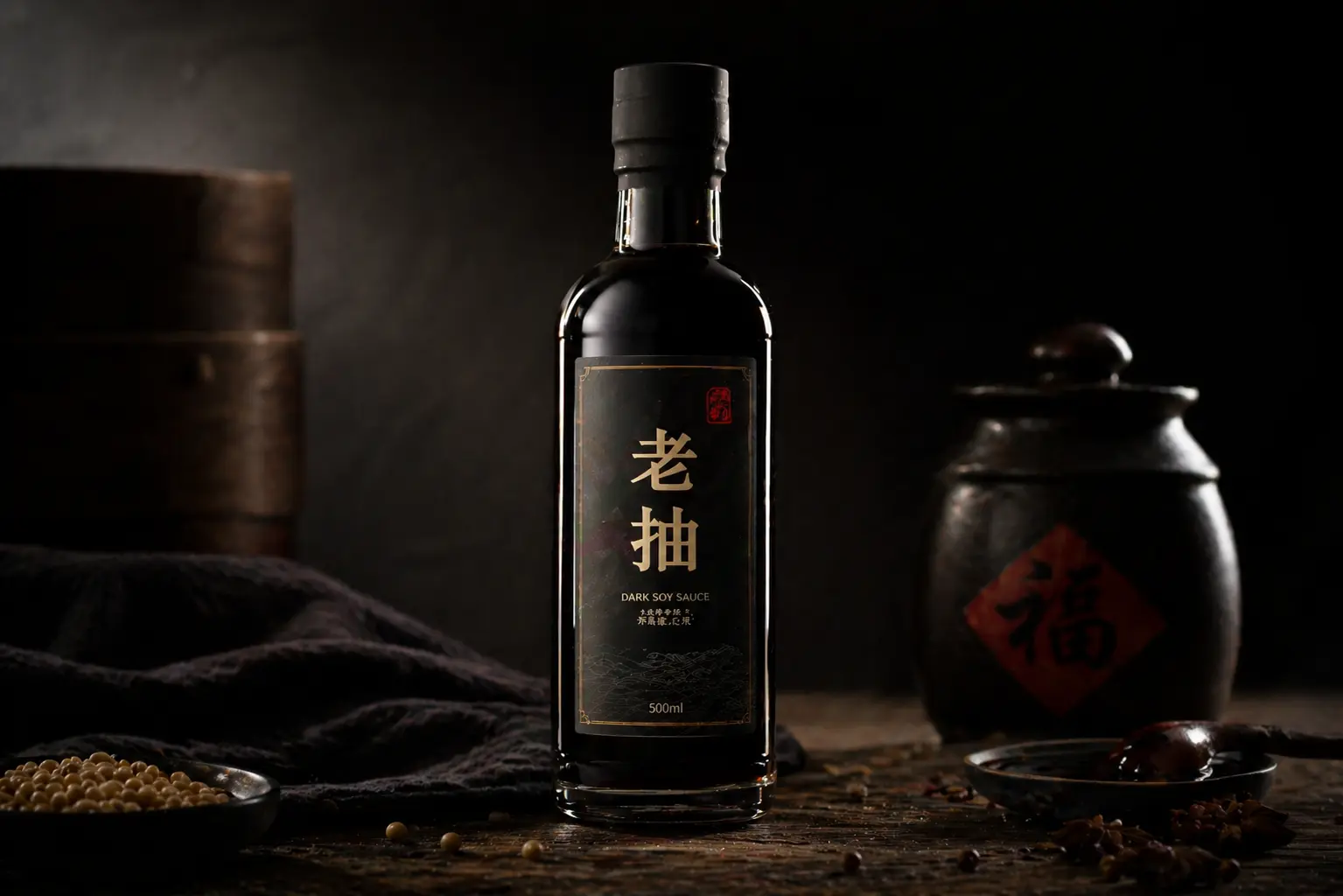
Dark Soy Sauce — Why Your Braised Pork Looks Pale Without It
Dark soy sauce isn't for seasoning. It's for color, body, and that glossy mahogany finish that makes Chinese braised dishes look like they came from a restaurant.
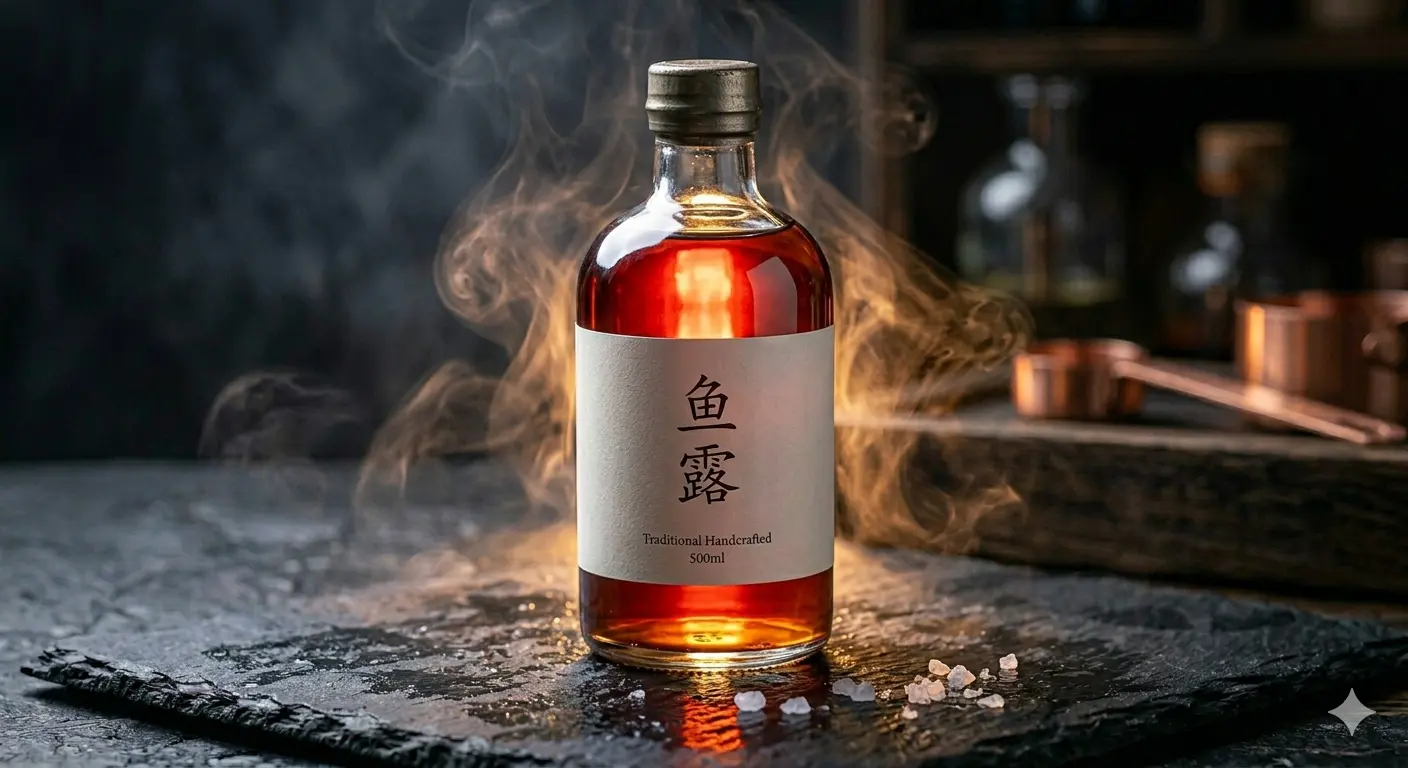
Fish Sauce — I Opened a Bottle, Almost Threw It Away, and Then Discovered What It Actually Does
Fish sauce smells like a fishing dock at low tide. Cooked, it transforms into the purest umami engine in your pantry. Here's when to use it, when to avoid it, and why it belongs next to your soy sauce.
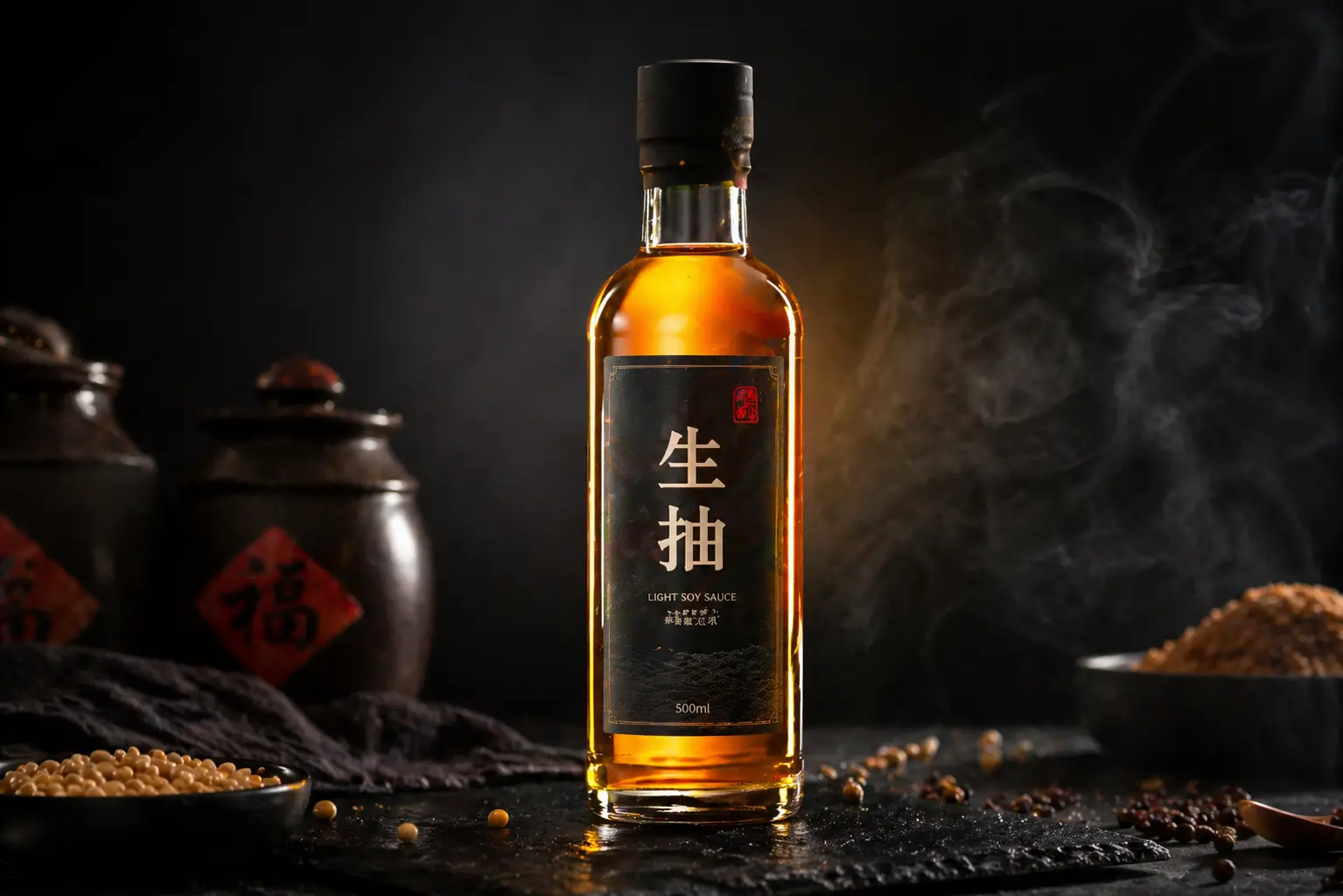
Light Soy Sauce — The Seasoning Backbone of Chinese Cooking
Light soy sauce is the salt and umami engine of Chinese cuisine. If you only own one Chinese sauce, make it this one.
Light Soy vs Dark Soy — I Used the Wrong One for Years and Ruined Countless Stir-Fries
Light soy seasons. Dark soy colors. Using the wrong one is the single most common mistake in Chinese home cooking. I made it for two years before a Sichuan-born chef silently corrected me.
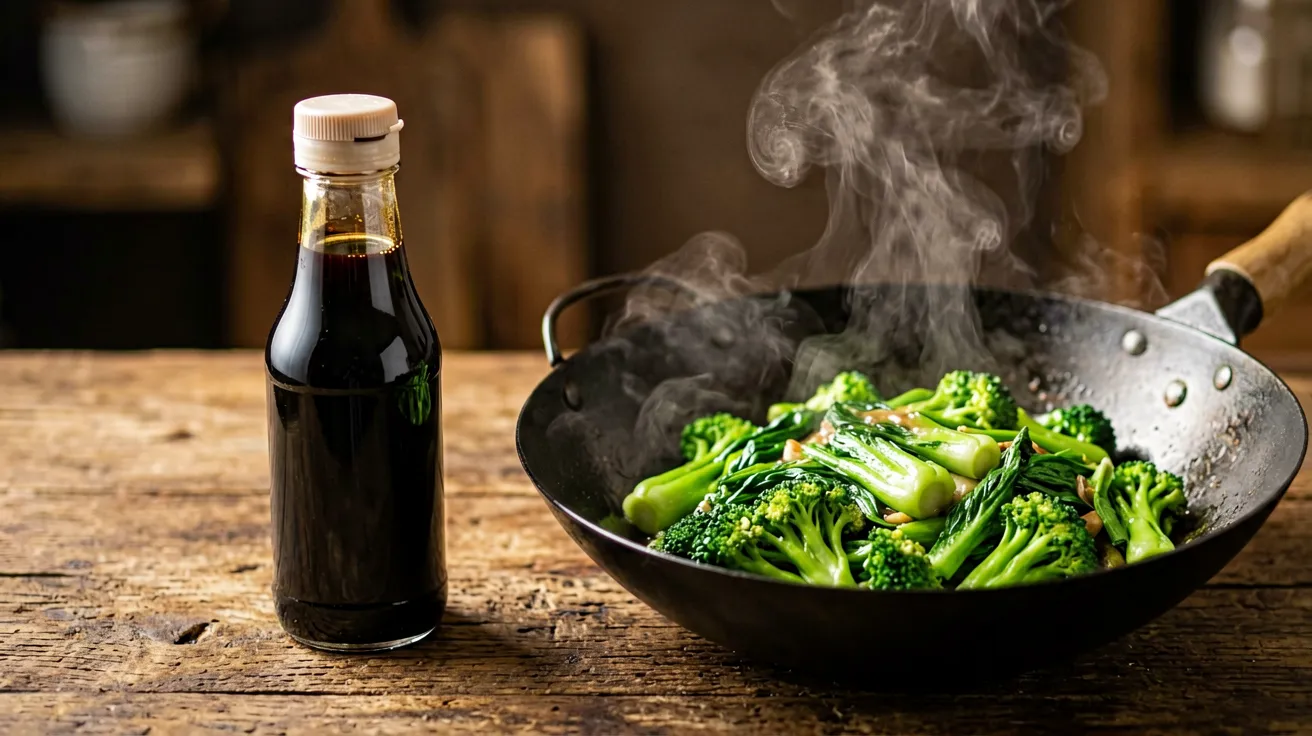
Oyster Sauce — I Burned It Three Times Before I Learned How to Use It Properly
That glossy, savory-sweet coating on restaurant vegetables? That's oyster sauce used correctly. Here's what I learned about when to add it, when to avoid it, and why the brand actually matters.
Track 3
Tofu
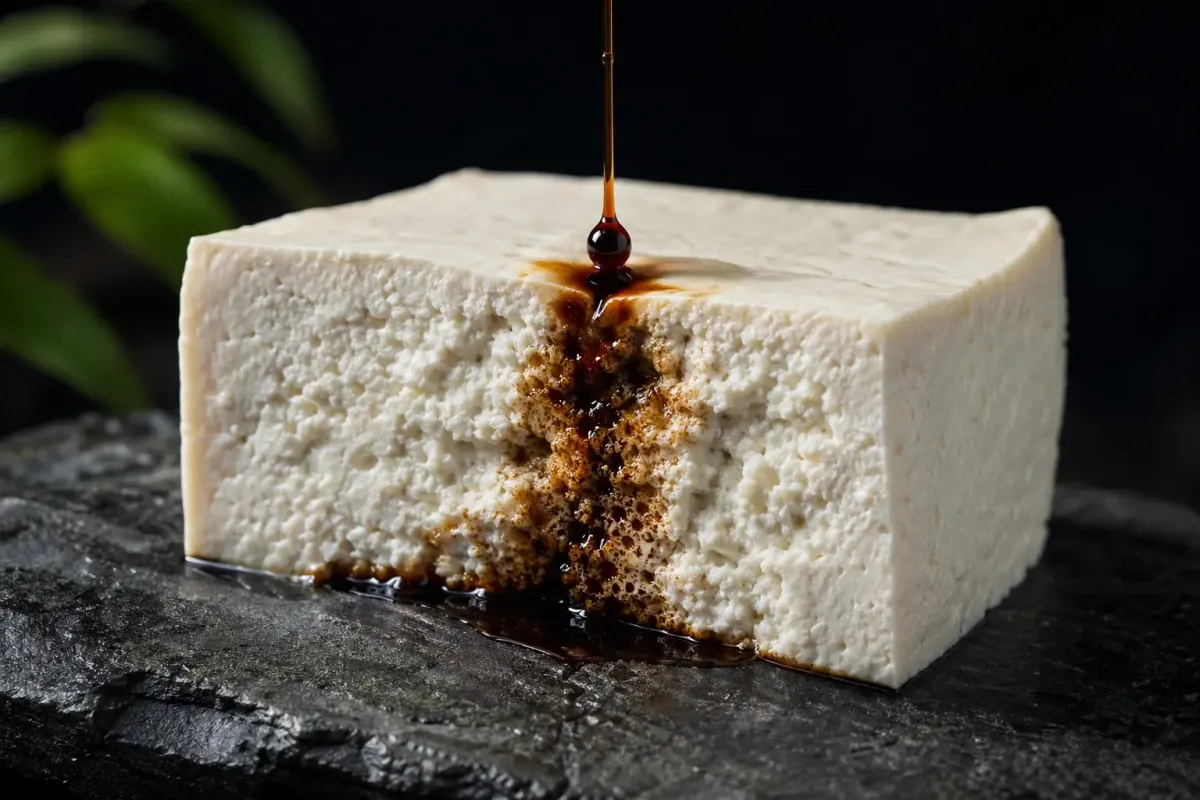
Firm Tofu — The Workhorse, the Disaster, and What I Learned After 23 Failed Stir-Fries
I ruined Mapo Tofu four times before I understood: tofu is not one ingredient. It's four different products wearing the same white suit. Here is everything I learned about choosing, pressing, frying, and not crying over spilled tofu.
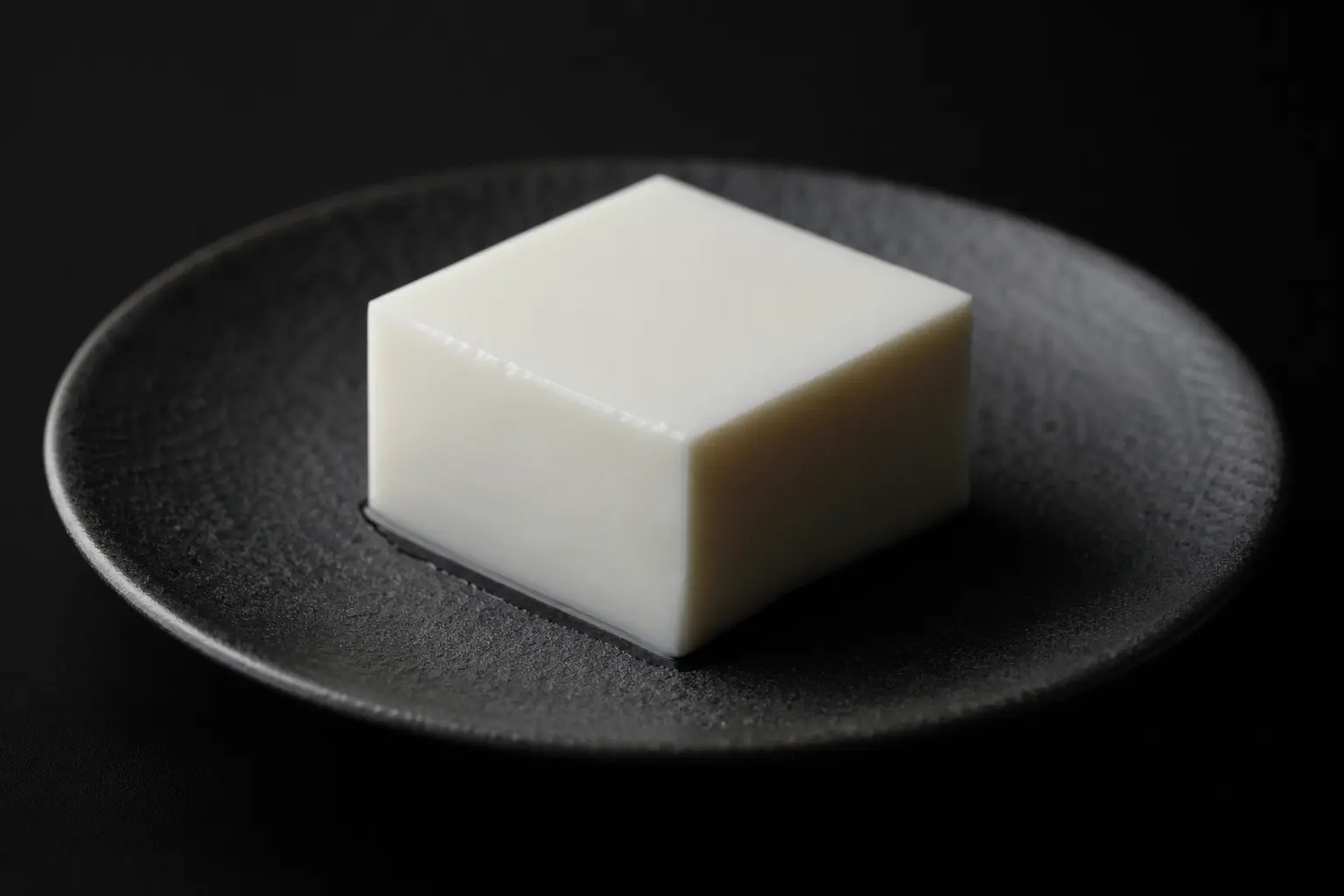
Silken Tofu — When the Most Delicate Tofu Is Actually the Right Choice
Silken tofu will never survive a stir-fry. But in the right dish — cold, steamed, or gently simmered — it's irreplaceable. I learned this the hard way, one shattered block at a time.
Silken vs Firm Tofu — The Side-by-Side Test That Changed How I Cook
I cooked the same dish with both types of tofu and served them to the same people. The results were brutal, educational, and completely changed my shopping habits.
Track 4
Fermented Pastes & Aromatics
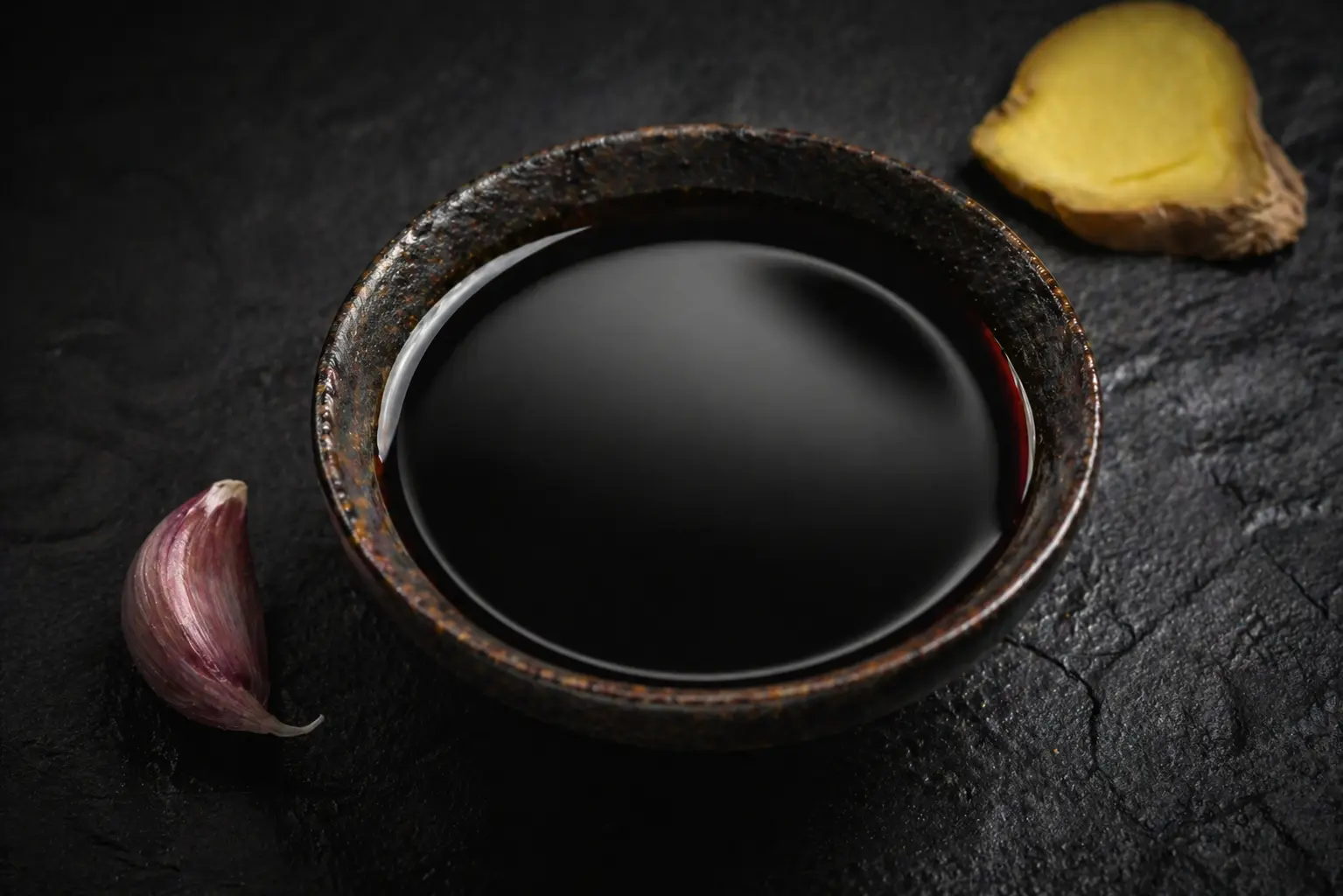
Chinese Black Vinegar (Chinkiang Vinegar) — Uses, Substitutes & Flavor Guide
Chinkiang black vinegar isn't white vinegar with food coloring. It's malty, umami-laced, and fermented from glutinous rice. Learn how to use it in 5 essential recipes and what to substitute when you're out.
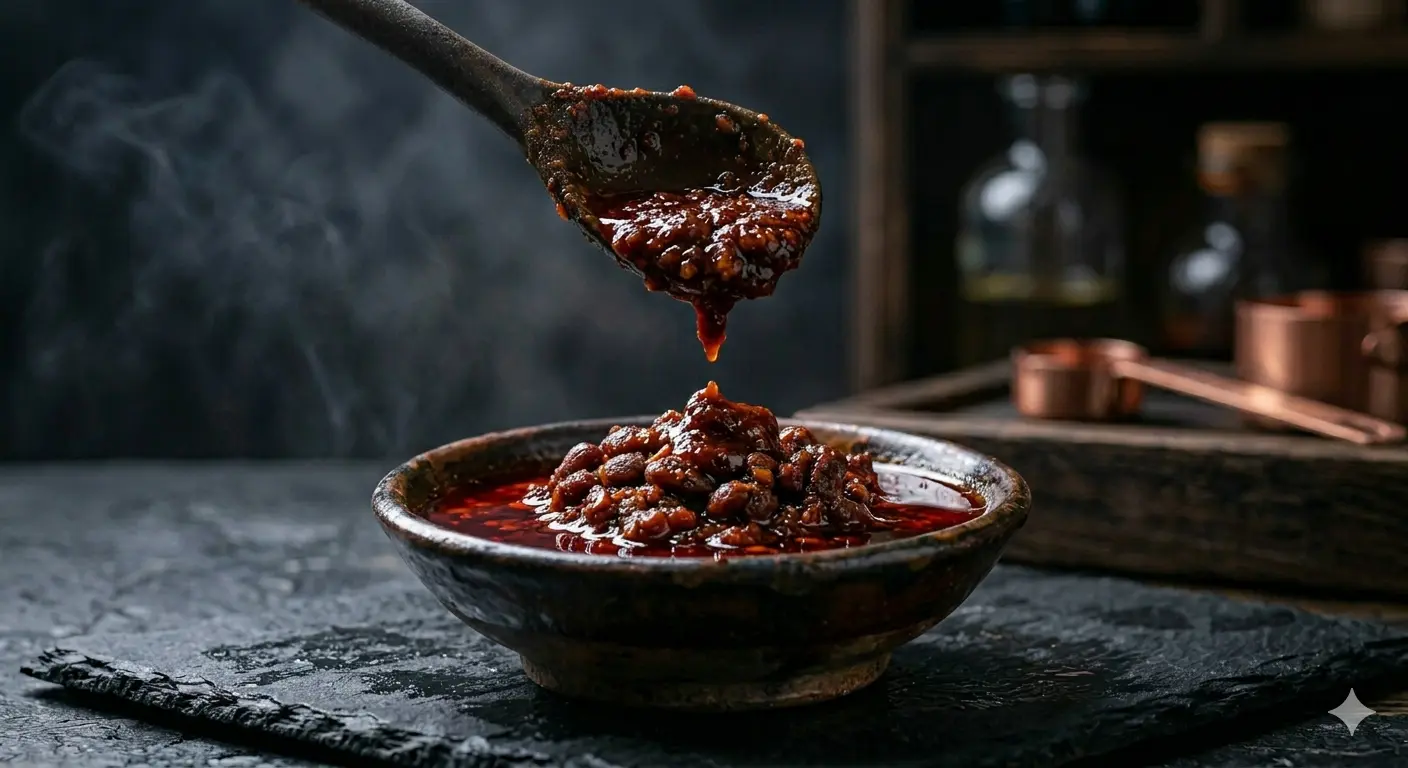
Doubanjiang — The Soul of Sichuan Cooking
Without doubanjiang, Mapo Tofu is just spicy bean curd. With it, you taste 3000 years of fermentation wisdom in every bite. The one ingredient that defines a cuisine.
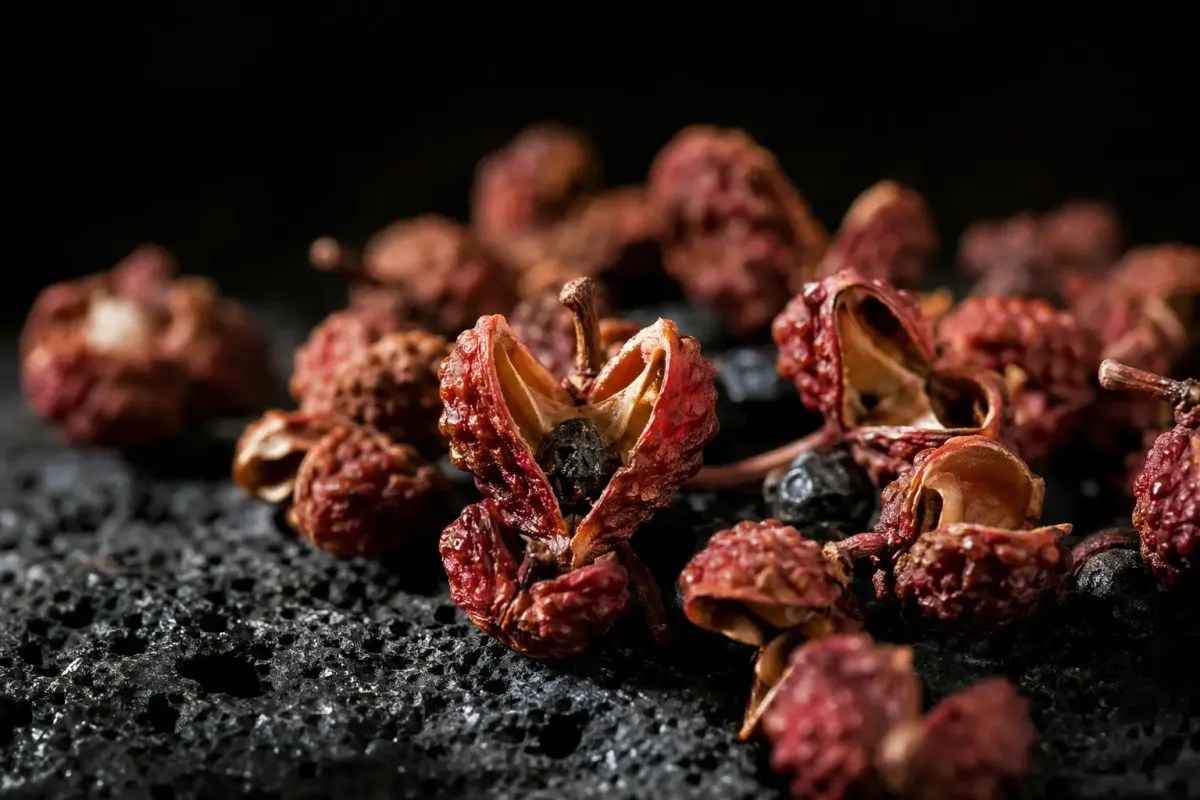
Sichuan Pepper — Why Your Sichuan Food Isn't Numbing (And How to Fix It)
You bought the Sichuan pepper. You used it generously. But your dish is spicy, not numbing. Here's why — and the freshness test that changes everything.
Before you cook: How to Judge Spice Freshness — the tongue-and-nose tests that stop dead spices from flattening dinner.