Chinese Cooking Help
Fix the ingredients.
Fix the pantry.
Fix the flavor.
Missing Umami helps home cooks choose the right Chinese ingredients, fix bland or broken dishes, build a real pantry, and understand why the recipe still missed the mark.
Coverage
57 pages
Tooling
8 decision tools
Mission
Ingredient literacy
Scientifically Decoded
Flavor vectors, not guesses.
Grandma Approved
Traditional wisdom meets kitchen science.
Problem Solved
Real fixes for real cooking problems.
Built for Home Cooks
Clear, practical, always actionable.
Why This Site Exists
Most Home Chinese Cooking Fails for Structural Reasons
People usually blame themselves or the recipe. The real failure is often earlier: the wrong bottle, the wrong tofu, the missing aromatic layer, the wrong heat, or the wrong assumption about what a region is trying to do.
Ingredient literacy beats recipe obedience
Following a recipe with the wrong soy sauce is still the wrong dish. Missing Umami teaches the roles ingredients actually play.
Chinese flavor is layered, not singular
Salt, umami, aroma, body, color, and region all matter. The site is organized to make those layers visible.
Regional logic explains the pantry
Cantonese, Sichuan, Hunan, and Northern cooking do not use the same shelves for the same reasons. Geography and preservation shape the result.
Flavor System
Start Here
Where to Begin
Start from the Problem You Actually Have
Not everyone needs the same doorway. The right starting point depends on whether you are shopping, troubleshooting, or building a better pantry from scratch.
I am standing in the grocery aisle
Start by decoding labels, bottles, and ingredient identity before you bring the wrong thing home.
Start here ->Dinner already tastes wrong
Start from the failure you can taste right now, then work backward to the real cause.
Start here ->I want a real Chinese pantry
Start by measuring what your shelf can actually support instead of buying random sauces.
Start here ->Interactive Layer
Use the Tools When a Decision Cannot Wait
The tools are the shortest path from uncertainty to action. Each one translates a common Chinese cooking problem into a decision you can make in the aisle or at the stove.
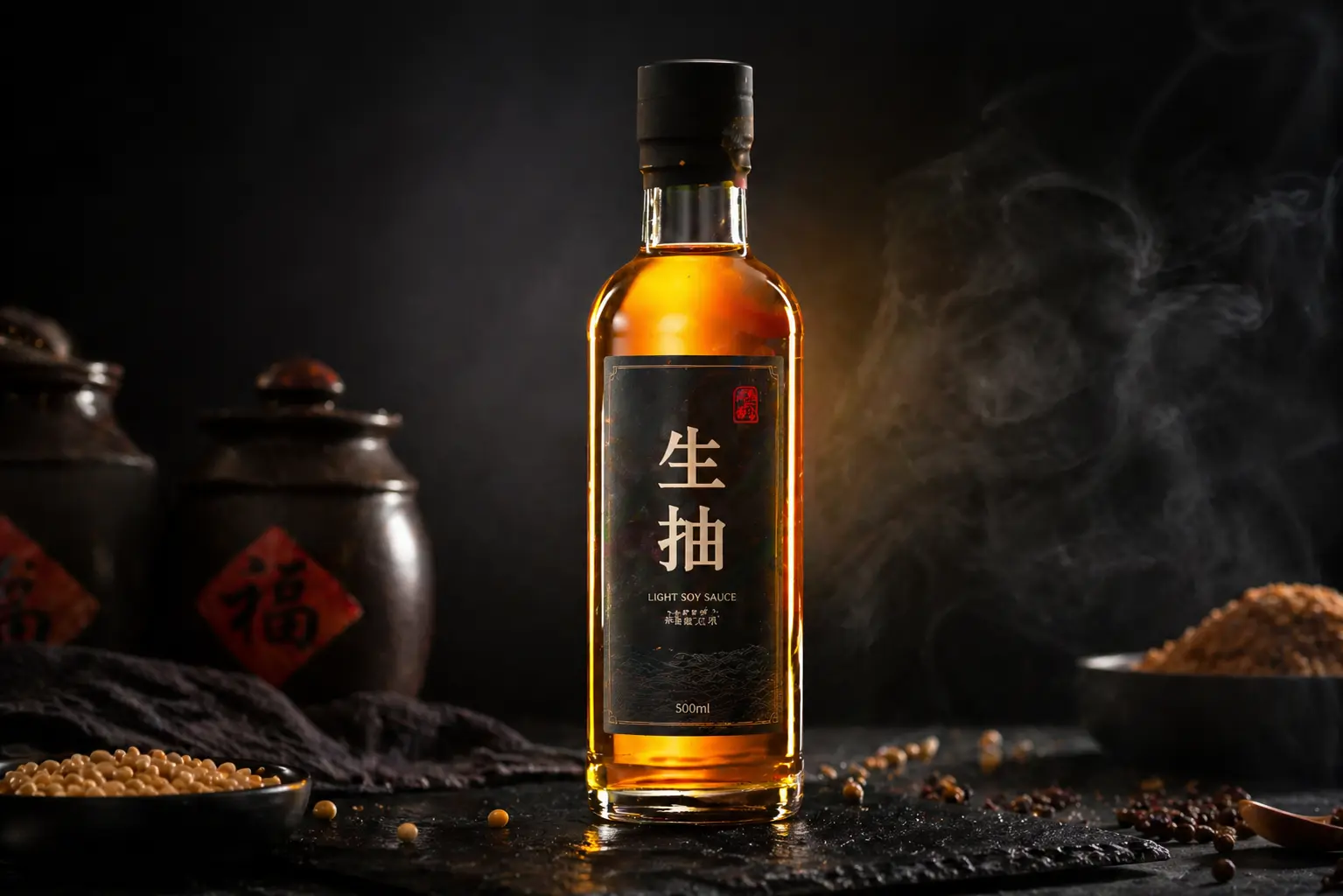
Soy Sauce Decoder
Match the bottle in your hand to the dish in front of you, then see the missing notes and compensation.
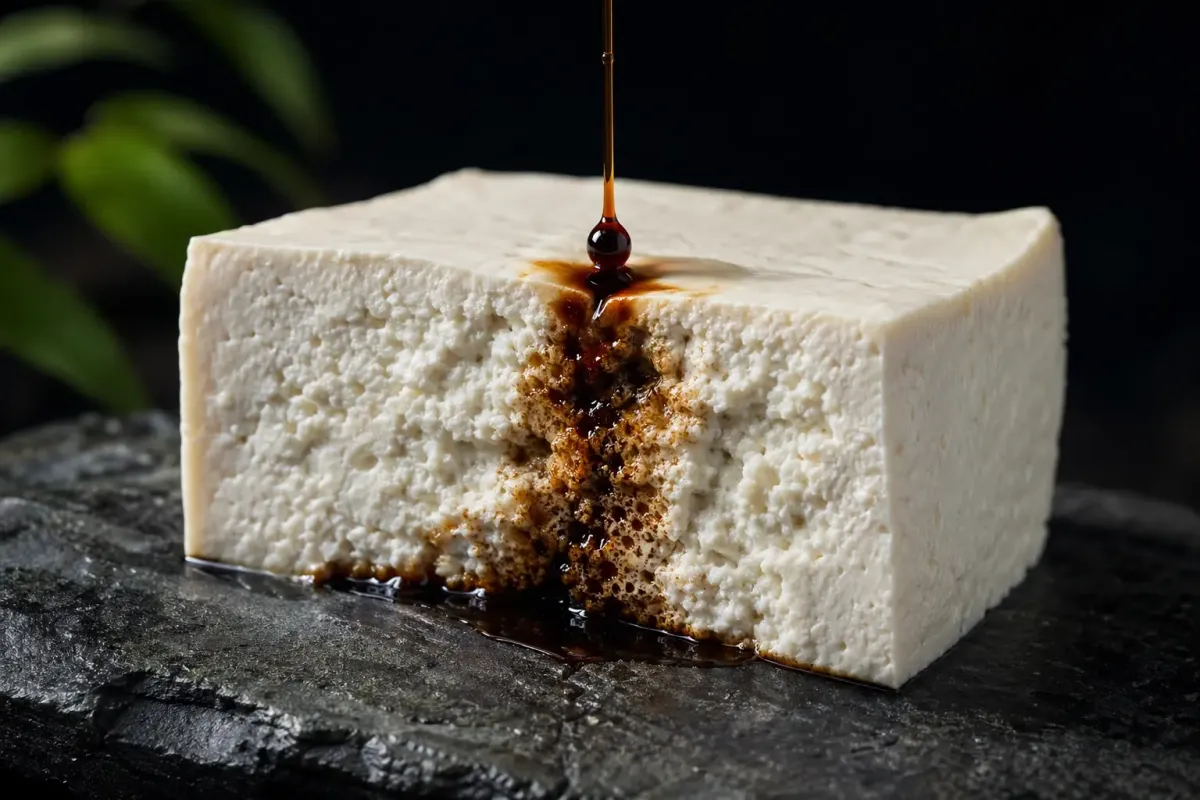
Tofu Matcher
Translate dish type into texture logic so tofu stops breaking before the sauce lands.
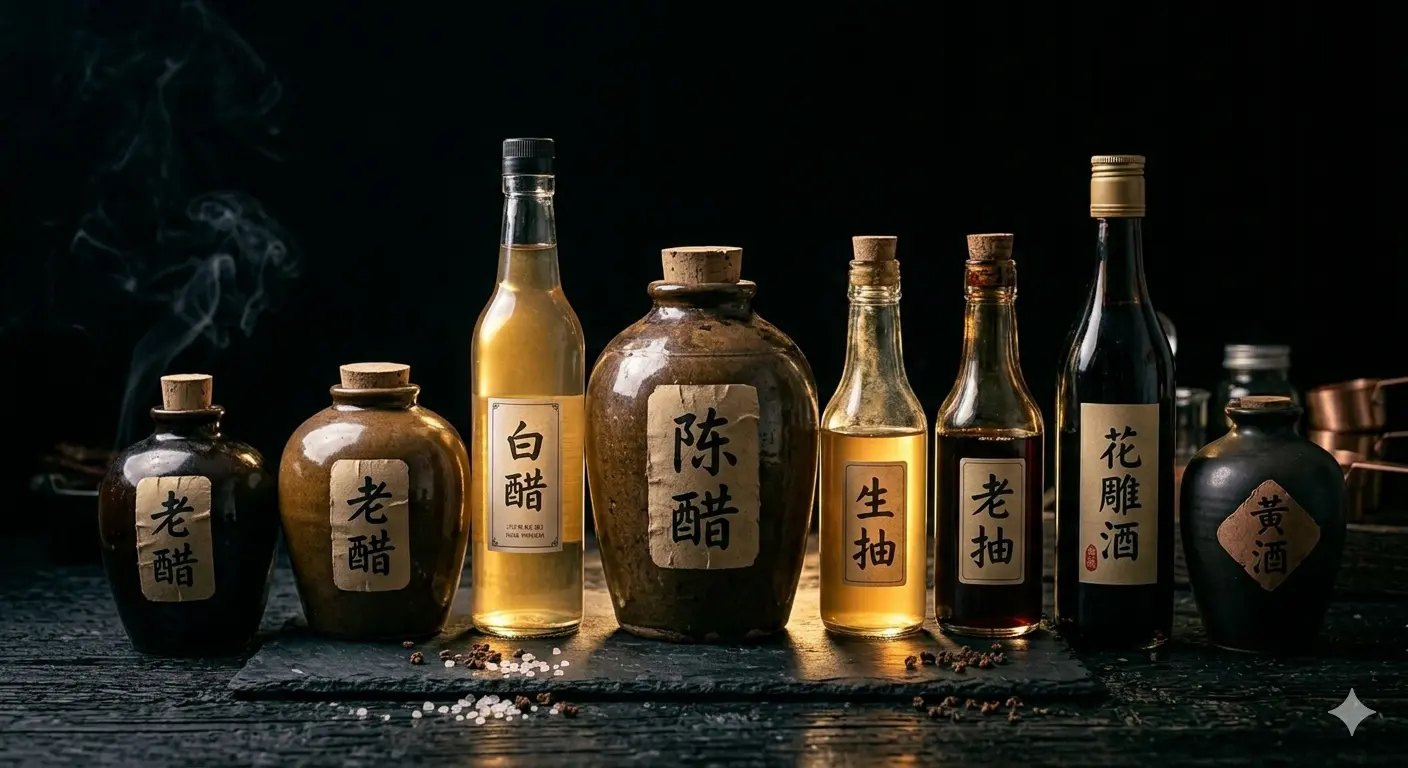
Substitution Calculator
See what a swap costs in flavor fidelity and what you need to add back to save dinner.
Wok Checker
Match pan material to stove reality and stop blaming recipes for hardware problems.
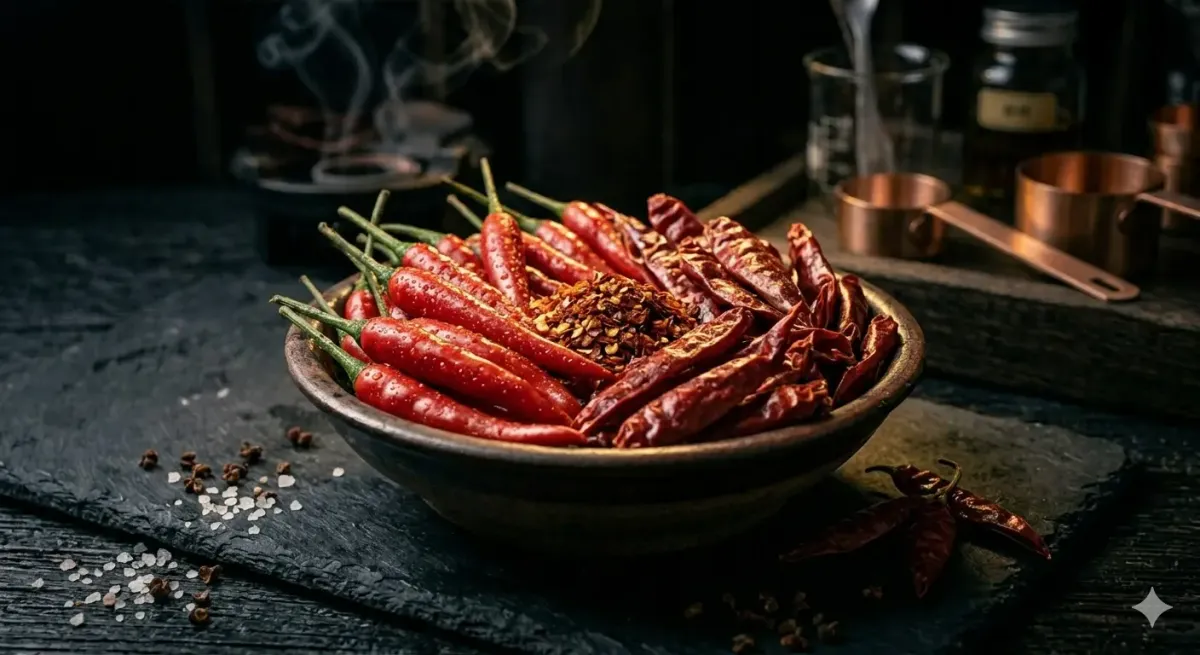
Pantry Audit
Measure how close your shelf is to supporting real Sichuan, Cantonese, Hunan, or Northern cooking.
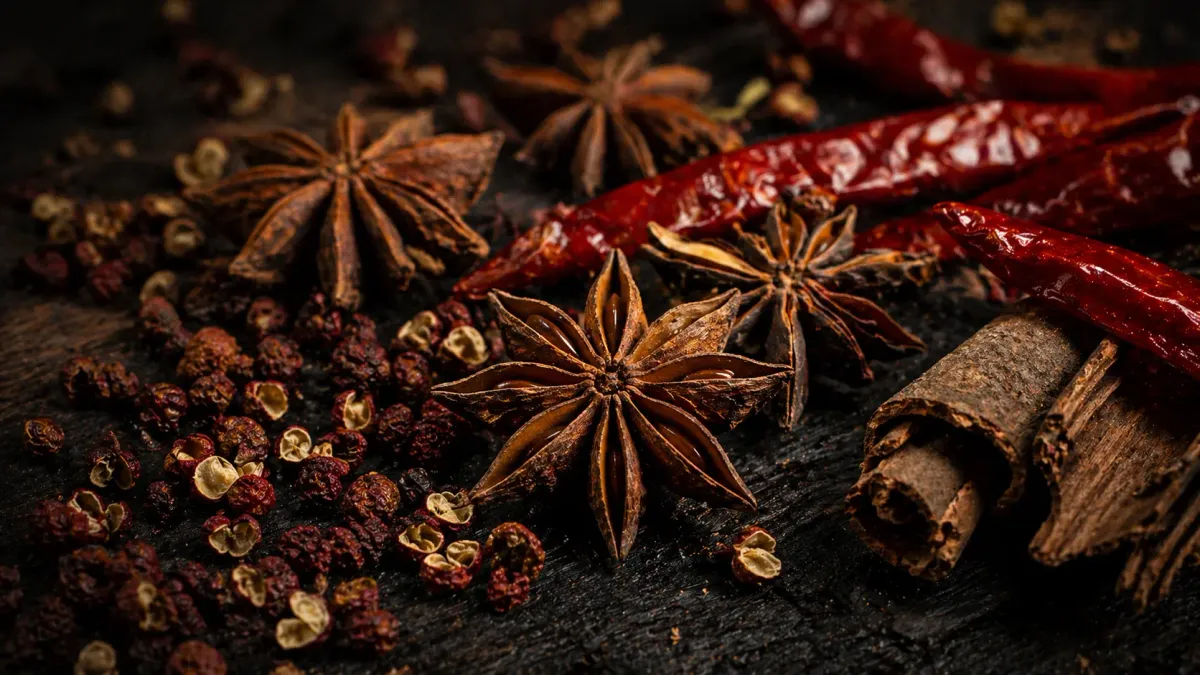
Umami Calculator
Stack savory sources, understand synergy, and see why one strong sauce is rarely enough.
Commerce Layer
When Understanding Turns Into Buying
The Shop section turns ingredient literacy and kitchen physics into better buying decisions. It exists for readers who are ready to build the right pantry, gear setup, or hot pot table without buying a pile of wrong stuff first.
Chinese Pantry Starter Kit
The first seven pantry buys that unlock real Cantonese, Sichuan, and all-purpose stir-fry cooking.
Read the buying guide -> Best Carbon Steel Wok Setup
A stove-first buying guide for flat-bottom vs round-bottom, accessory choices, and what actually improves wok hei.
Read the buying guide ->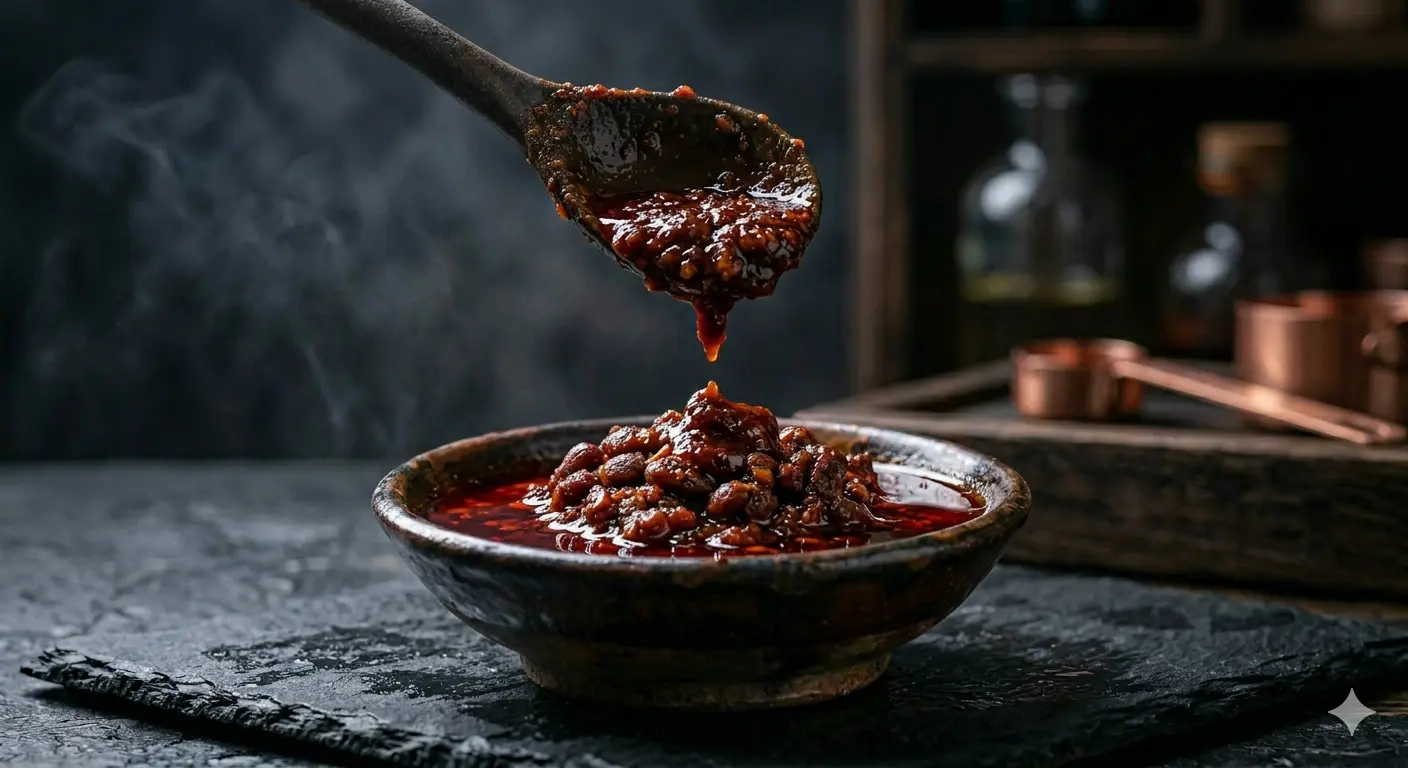
Hot Pot Starter Kit
Broth base, dipping system, tabletop gear, and serving tools for a first home hot pot night that actually works.
Read the buying guide ->Coverage Map
The Site Is Organized Like a Flavor Operating System
Missing Umami covers the full chain: ingredient identification, substitution logic, pantry readiness, regional flavor systems, and failure diagnosis. These clusters are the top-level map.
Sauce Decoded
The bottle logic layer. Light soy seasons. Dark soy colors. Oyster sauce coats. Fish sauce amplifies.
Tofu Unlocked
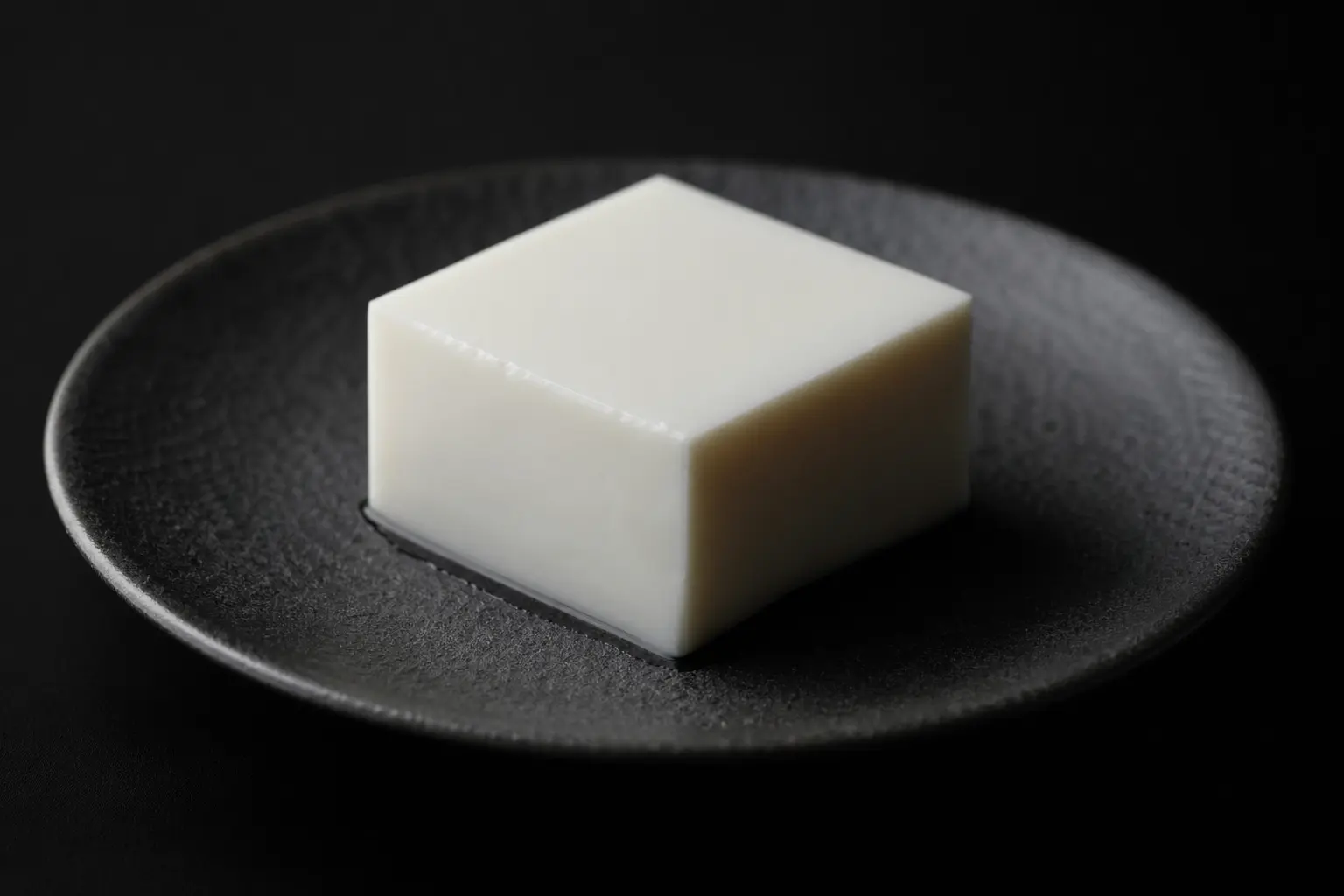
The texture layer. Tofu is not one ingredient; it is a family of structural decisions.
Substitution Saves
The rescue layer. Every swap changes flavor. The job is measuring what changed and fixing it.
Spice Map
The aromatic layer. Freshness, bloom timing, and the ingredients that make regions taste distinct.
Umami Science
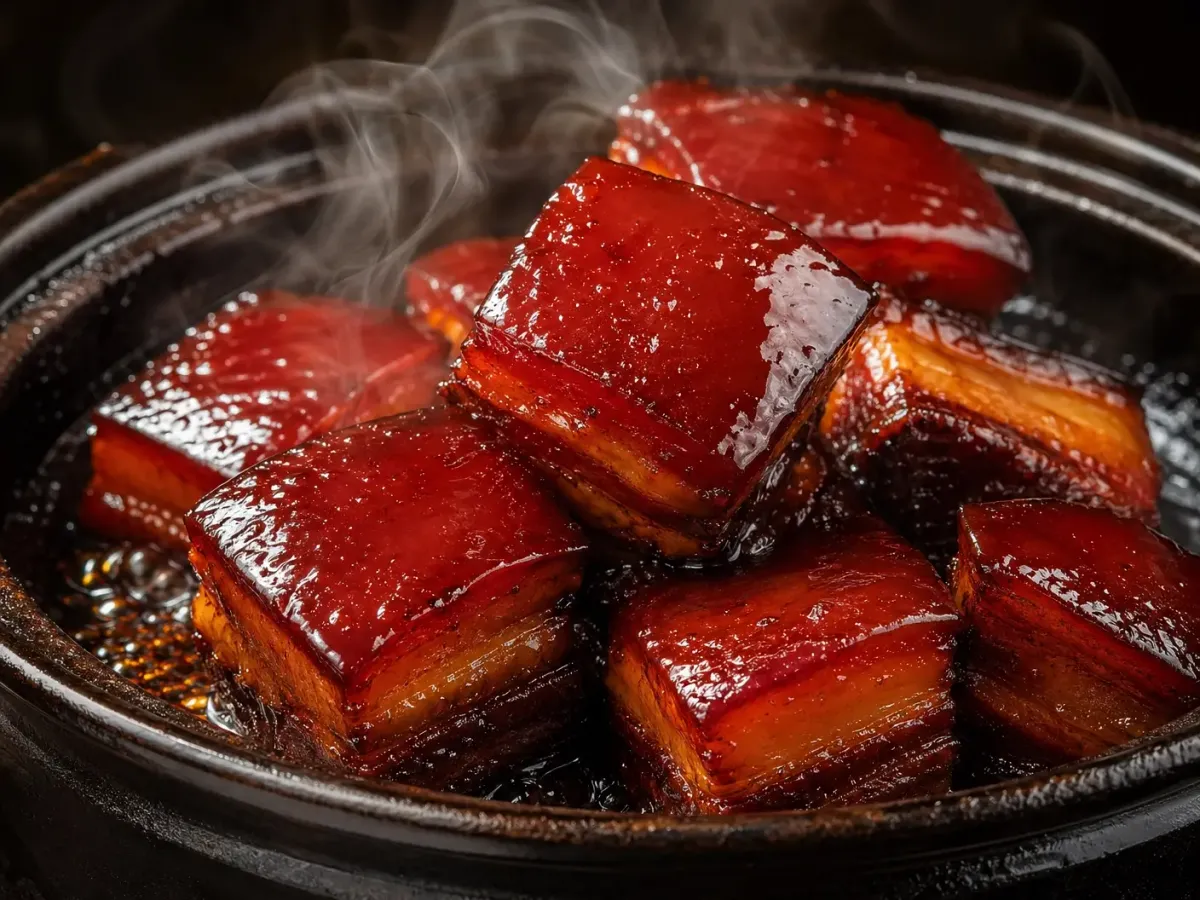
The depth layer. Glutamate, inosinate, guanylate, and why restaurant food feels bigger.
Regional Flavors
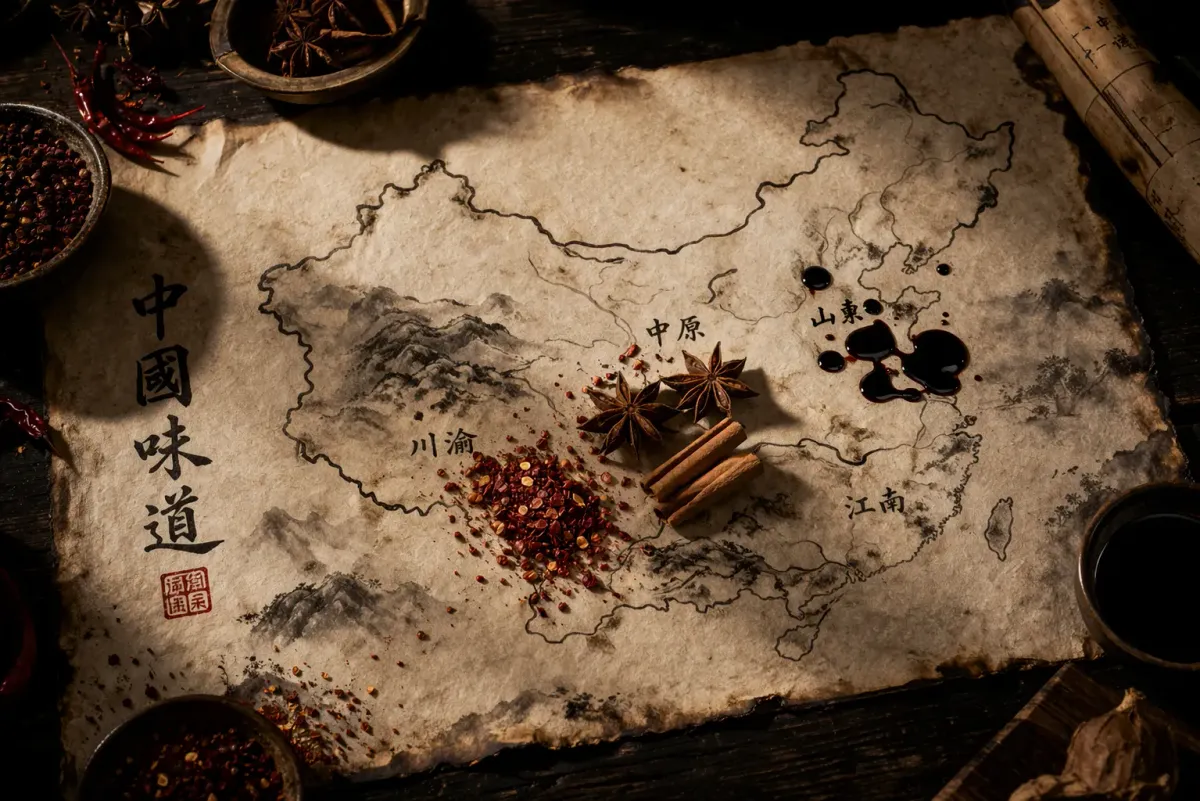
The worldview layer. Geography, climate, preservation, and why Chinese food is not one pantry.
Fresh Content
Latest Decodings and Deep Reads
These are the newest pages across ingredient guides, science, fixes, and editorial analysis.
Chinese Dumpling Fillings: Why a Harbin Sauerkraut Pocket Tastes Nothing Like a Guangzhou Shrimp Parcel
A jiaozi in Harbin and a har gow in Guangzhou are not the same food. Here is how wheat, rice, wrapper construction, moisture and regional pantry decide what a Chinese dumpling actually tastes like.
Dumpling Filling: The Four Layers That Actually Matter
Most dumpling filling advice is a list of things to add. It is also wrong. Salt, water, umami and aroma are four separate jobs, and the order you build them decides whether the filling works.
What Kind of Tofu Should You Use for Baking? A Buyer's Guide
Tofu blended into brownies, folded into a cheesecake filling, or swapped for eggs — the box you pick changes the result. How to read a tofu label in the right order, and when one tofu is not a clean swap for another.
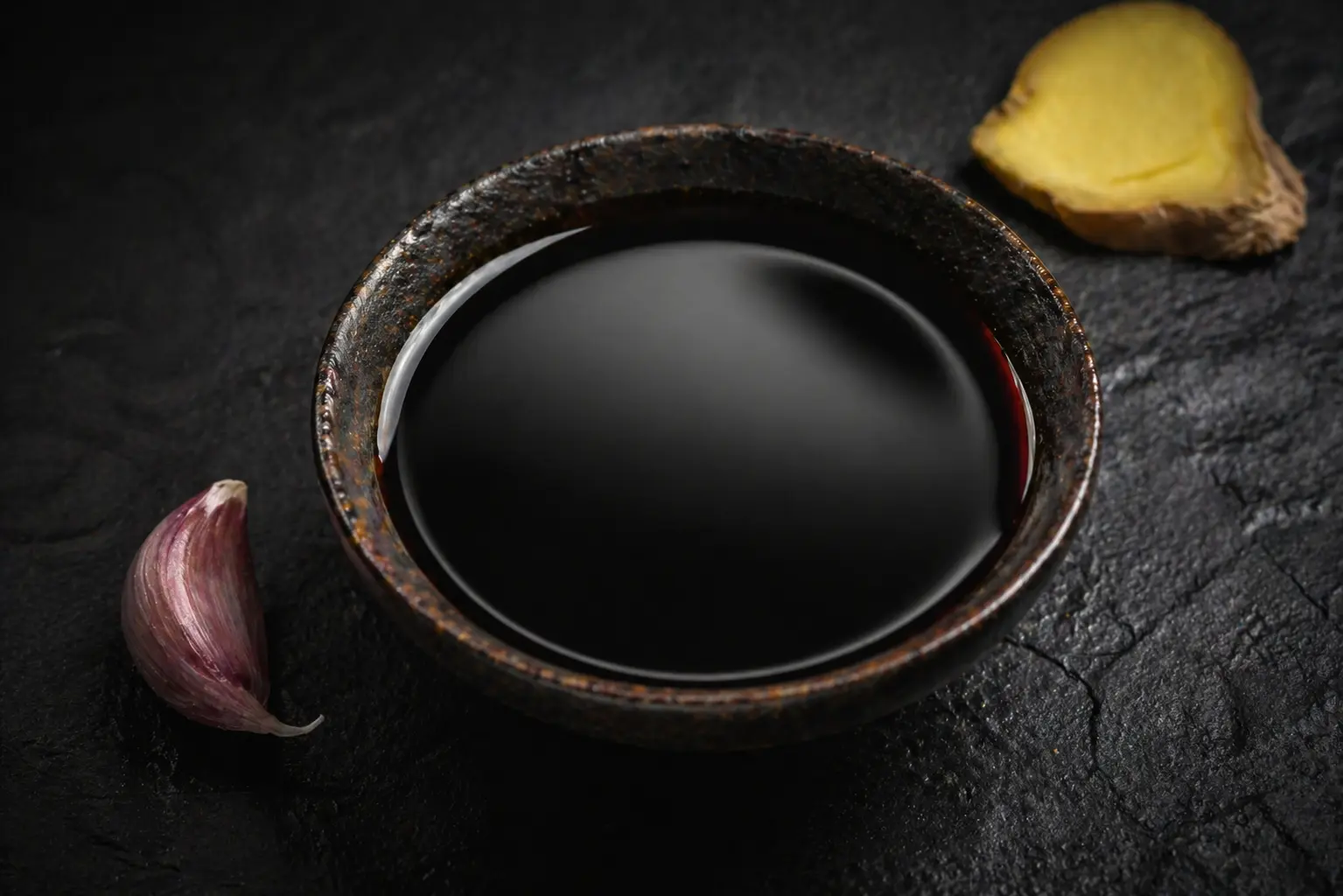
Chinese Black Vinegar vs Chinkiang Vinegar: Substitutes & Selection Guide
Chinkiang isn't black vinegar's rival — it's the flagship. Pick between Chinkiang, Shanxi and Yongchun black vinegar, choose which to buy, and use the substitute matrix that actually works (hint: not balsamic).
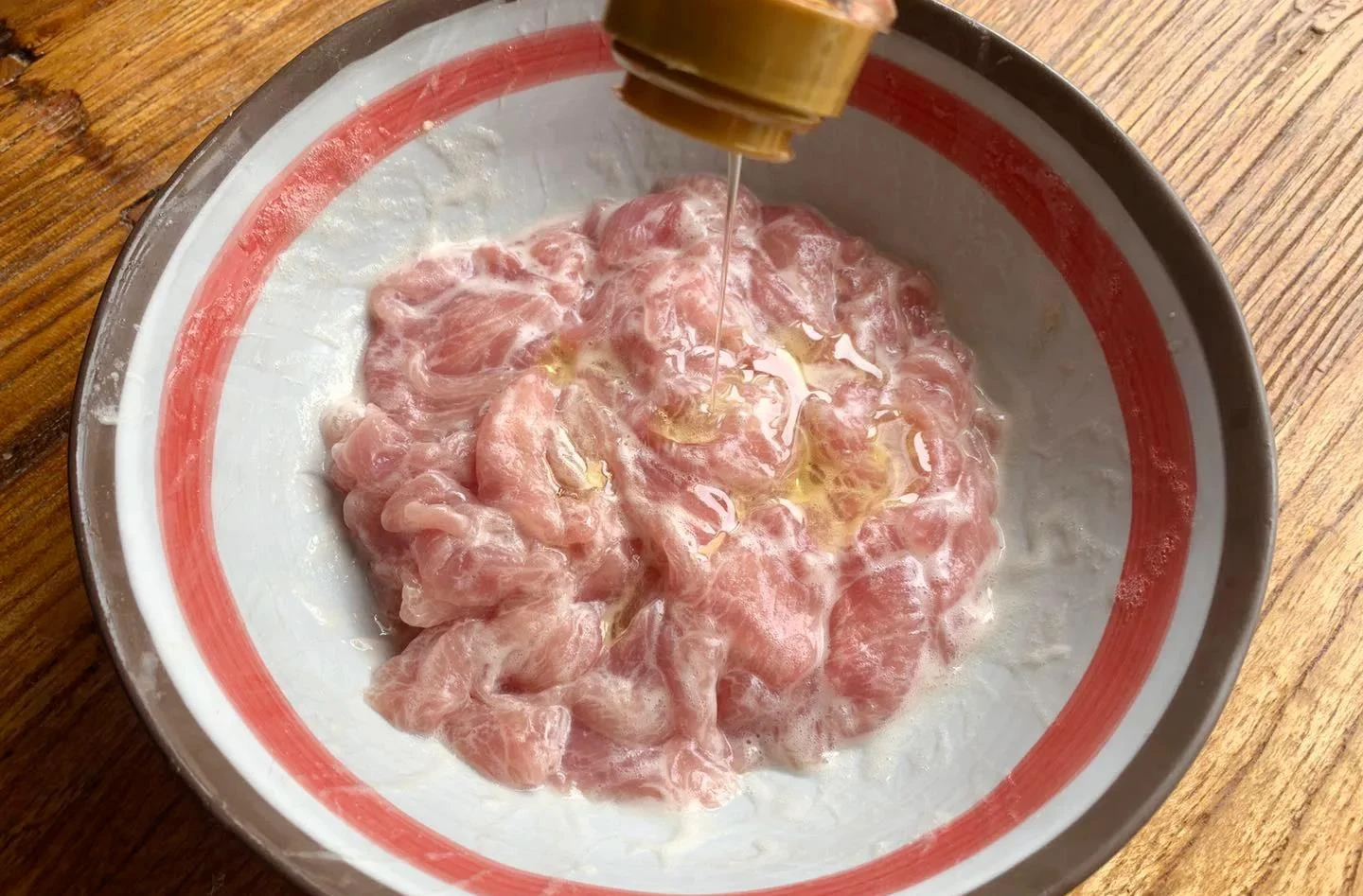
The Velveting Chicken Guide: Technique, Steps & Substitutes
Baking soda vs egg white & cornstarch — I tested all three on identical chicken. How to velvet chicken, exact steps, and what to use when ingredients run short.
What Is MSG? The White Crystal That Makes Food Taste Alive
MSG is the flavor of your grandmother's stock, crystallized into a white powder — and the fear around it began with a 1968 letter, not a study. What MSG is, what it isn't, and how to use it.
Failure Paths
When Dinner Is Already Wrong, Start Here
Failure pages are not side content. They are one of the clearest signals of what the site actually promises: diagnosis, not generic inspiration.
My stir fry tastes flat
Salty but still dead? That usually means wrong bottle, missing umami stack, or weak heat.
My Mapo Tofu broke apart
Usually a texture problem before it is a recipe problem.
My Sichuan dish is not numbing
If the buzz is missing, the pepper is often stale or misused.
My Kung Pao has no punch
Usually the missing note is not heat. It is the missing structure around the heat.
Regional Logic
Explore Chinese
Flavor Regions
Chinese food is not one pantry and not one logic. Regional flavor explains why the same ingredient can mean something different in a different kitchen, climate, and cooking tradition.
Use this map to move from dishes to climate, from climate to preservation, and from preservation to the pantry choices that shape real flavor.
Explore the Map FAQ
Questions Serious Home Cooks Usually Ask First
The fastest way to understand this site is to answer the questions that keep showing up in real kitchens.
Frequently Asked Questions
What is Missing Umami actually for? ▾
Is this a recipe site? ▾
Who is this site for? ▾
Why do my Chinese dishes often taste salty but still flat? ▾
Where should I start if I am new? ▾
Do I need every Chinese ingredient before I can cook well? ▾
Fresh Content
Latest 3 Articles
The Way of Nature
From ingredient to intuition
Missing Umami teaches Chinese flavor. But flavor is a living thing — it asks you to pay attention to timing, season, and the wider system that makes a dish more than just ingredients. That system has a name and a place to go deeper.
Timing
Dao of Seasons
The 24 solar terms turned into a modern time interface. Each two-week window shows you what to eat, how to move, and what to notice — right now.
Know what to do now →
Explanation
The Way of Nature Atlas
The knowledge layer behind seasonal practice. Understand why food, body, earth, and story shift with the seasons.
Understand why it works →
Independent Project We Proudly Support
PandaCommon
We also proudly support PandaCommon, an independent living archive of giant pandas worldwide. It documents births, transfers, family lines, places, and conservation history across generations, turning scattered records into a public resource that researchers, educators, families, and panda lovers can actually use.
Work like this does not happen by accident. Careful documentation keeps public memory alive, makes conservation stories easier to follow, and gives one of the world's most beloved vulnerable species the kind of long-term record it deserves.
Kitchen Resources
More Kitchen Help
Practical kitchen math, safety, and waste-saving tools from a site we use ourselves.