Pantry Audit
How Chinese-kitchen-ready are you? Check off what's in your pantry, and we'll tell you which Chinese cuisines you're closest to mastering - and exactly what's still missing from your shelf.
Your Pantry Readiness
0%Check what you own:
Essential
Important
Nice to Have
sichuan Cuisine
Sichuan cuisine - bold, numbing, layered heat
0 of 5 key items already in your kitchen.
Still Need:
- Doubanjiang (Broad Bean Paste)
- Sichuan Pepper
- Light Soy Sauce
- Shaoxing Wine
- Chinese Black Vinegar
cantonese Cuisine
Cantonese cuisine - fresh, delicate, umami-driven
0 of 5 key items already in your kitchen.
Still Need:
- Light Soy Sauce
- Oyster Sauce
- Shaoxing Wine
- Sesame Oil
- Cornstarch
hunan Cuisine
Hunan cuisine - direct heat, pickled chili sharpness, savory depth
0 of 5 key items already in your kitchen.
Still Need:
- Light Soy Sauce
- Doubanjiang (Broad Bean Paste)
- Shaoxing Wine
- Chinese Black Vinegar
- White Pepper Powder
shanghainese Cuisine
Shanghainese cuisine - braised depth, color, sweetness, glossy sauces
0 of 5 key items already in your kitchen.
Still Need:
- Light Soy Sauce
- Dark Soy Sauce
- Shaoxing Wine
- Sesame Oil
- Cornstarch
northern Cuisine
Northern cuisine - dumplings, noodles, roasting, warming pantry basics
0 of 5 key items already in your kitchen.
Still Need:
- Light Soy Sauce
- Shaoxing Wine
- Sesame Oil
- White Pepper Powder
- Cornstarch
How It Works
1. Check your pantry
12 items: soy sauces, fermented pastes, vinegars, wines, and spices.
2. See your readiness
We calculate your Sichuan, Cantonese, and overall readiness score.
3. Fill the gaps
We tell you what's missing and which tools can help you cook tonight.
At A Glance
Input
Check What You Own
12 core Chinese pantry items. Check what's on your shelf.
Output
Readiness Score + Gaps
Overall readiness % and per-cuisine breakdown.
Result
Shopping Shortlist
Exactly what to buy to unlock the cuisines you want.
Newsletter
The Missing Umami Letter
One email a month: the flavor logic behind a dish, a fix, and one pantry decision worth making. No spam, no filler.
What's in Season
Autumn Ingredients to Cook Now
These autumn ingredients are at their best right now (寒露 / Cold Dew).
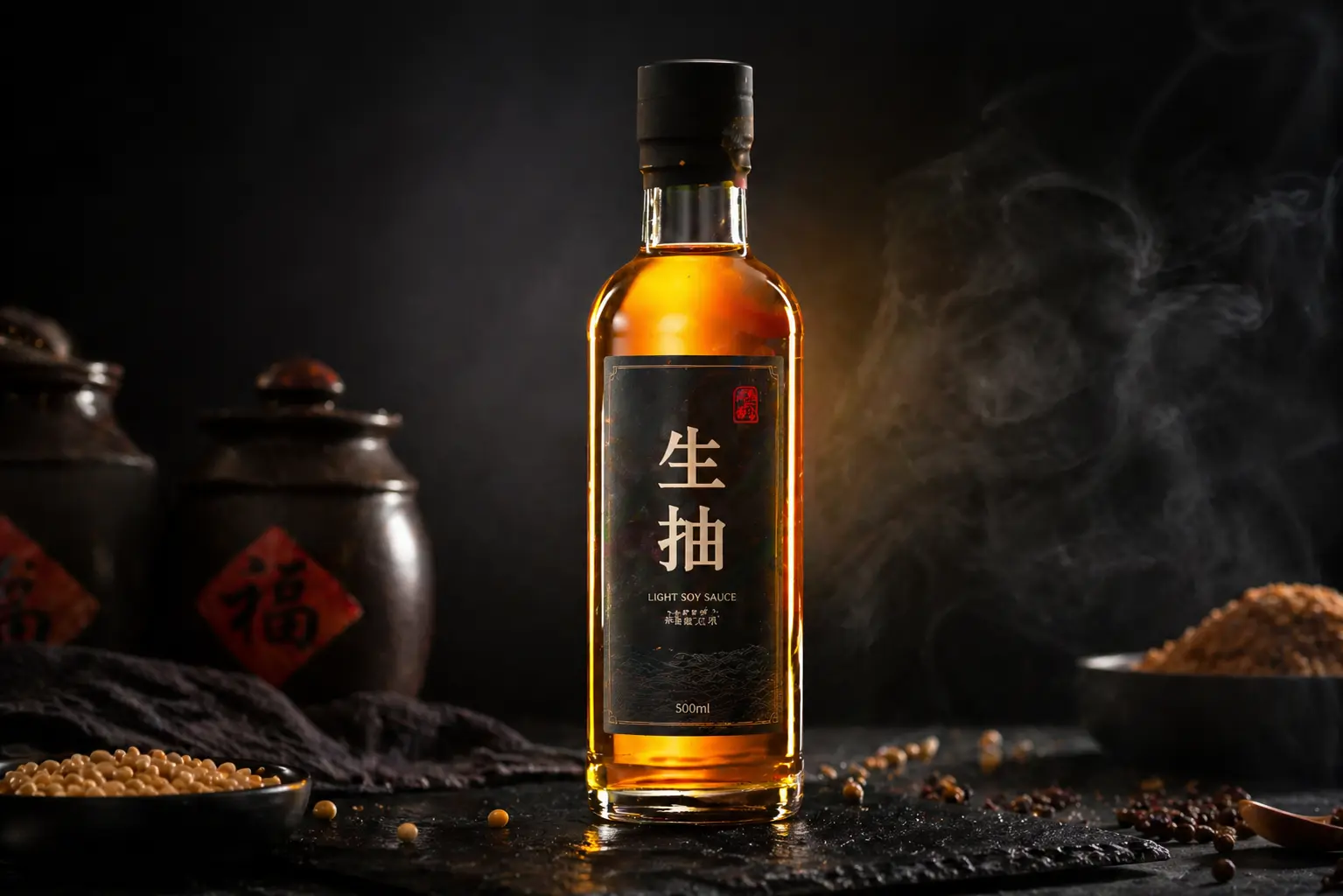
Light Soy Sauce
Light soy sauce is the salt and umami engine of Chinese cuisine. If you only own one Chinese sauce, make it this one.
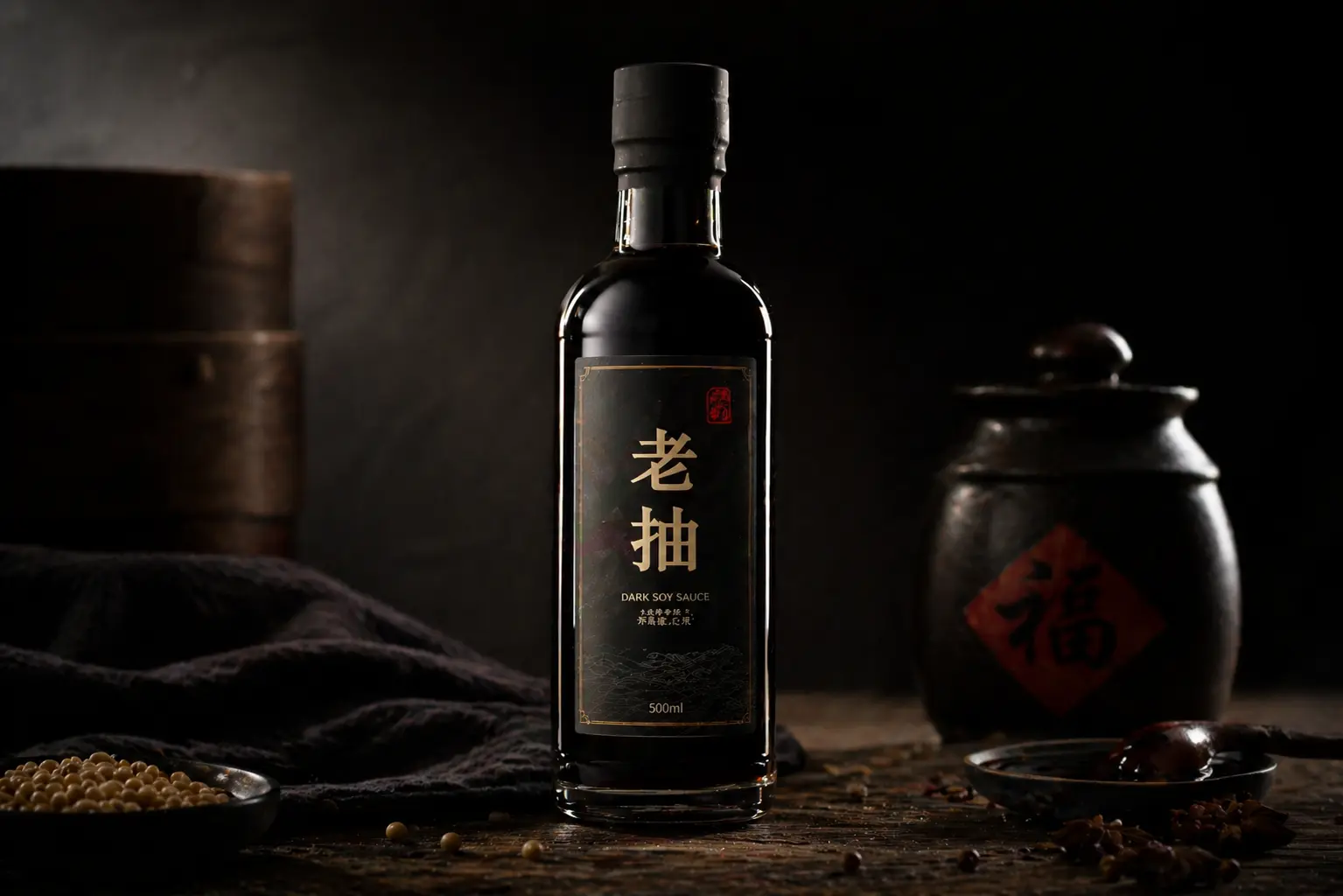
Dark Soy Sauce
Dark soy sauce isn't for seasoning. It's for color, body, and that glossy mahogany finish that makes Chinese braised dishes look like they came from a restaurant.
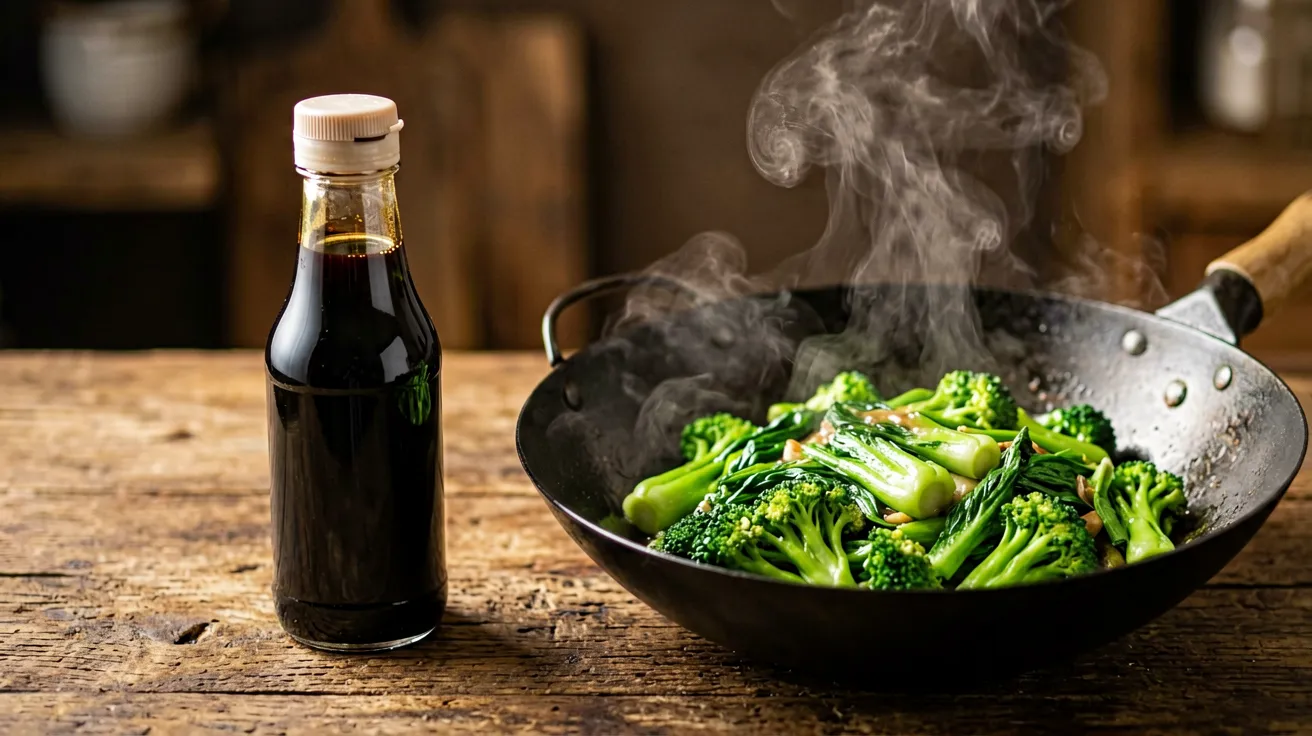
Oyster Sauce
That glossy, savory-sweet coating on restaurant vegetables? That's oyster sauce used correctly. Here's what I learned about when to add it, when to avoid it, and why the brand actually matters.
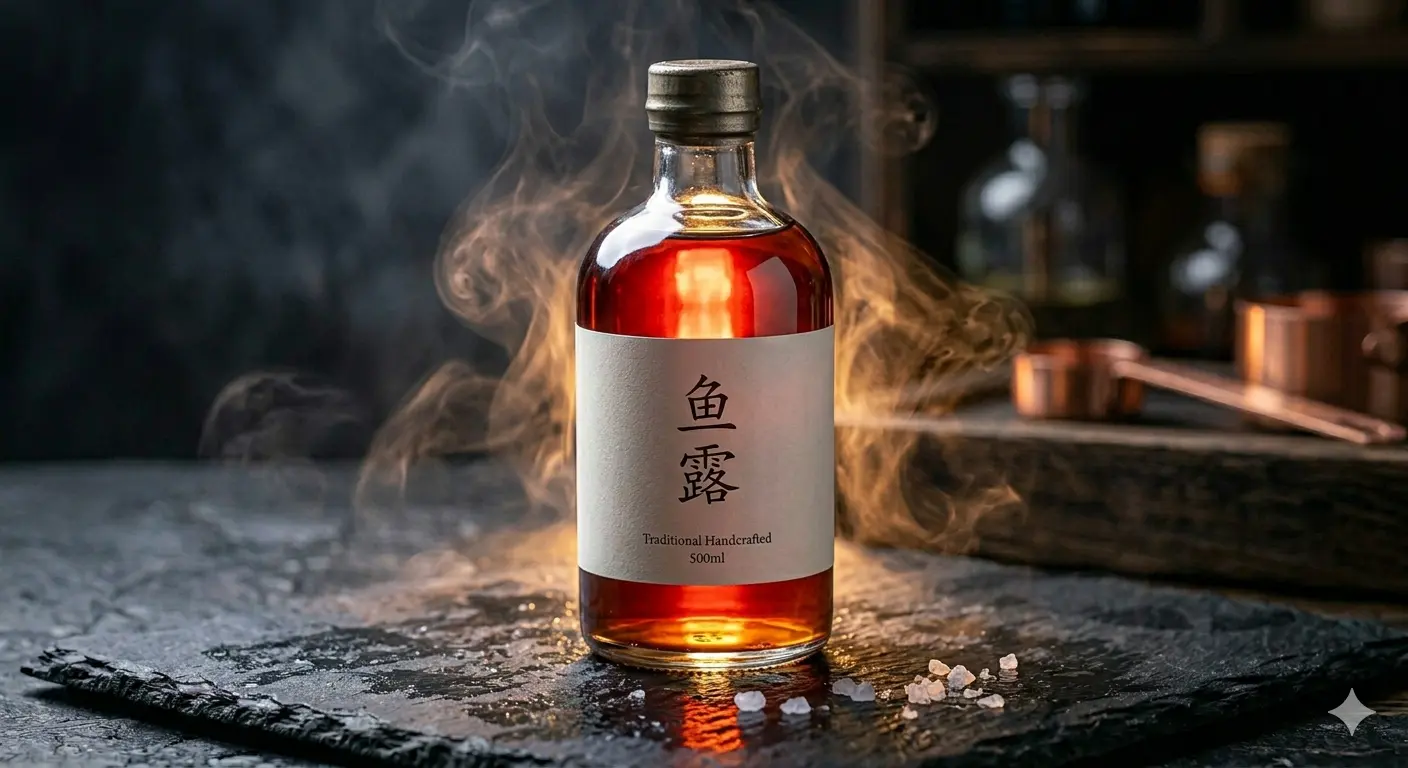
Fish Sauce
Fish sauce smells like a fishing dock at low tide. Cooked, it transforms into the purest umami engine in your pantry. Here's when to use it, when to avoid it, and why it belongs next to your soy sauce.
Tool in Context
What This Tool Is For
Use the tool, but also understand when it matters and what kind of decision it is built to make.
What
A readiness tool for measuring how close your pantry is to supporting real Chinese cooking instead of improvised approximations.
Why
Because many home cooks think they have the basics when they actually have a few isolated items that do not yet connect into a usable system.
Who
People building a first Chinese pantry, deciding what to buy next, or trying to understand which cuisine family they are closest to cooking well.
Where
Use it at home while checking your shelf, while making a shopping list, or before choosing which Chinese dishes you can realistically cook tonight.
Best Used When
Best Used When
- • You want to know what to buy next instead of buying random sauces.
- • You are deciding whether your pantry supports Sichuan, Cantonese, or another regional path.
- • You want a smarter upgrade plan than "buy everything".
Common Mistakes
Common Mistakes
- • Owning many bottles but still missing the few ingredients that actually unlock a cuisine.
- • Buying duplicate sweet sauces while skipping workhorse pantry foundations.
- • Assuming one cuisine-ready pantry automatically supports every Chinese dish.
Related Reads
Read Around the Tool
Sauce Decoded
The cluster that explains the bottles most pantries misunderstand first.
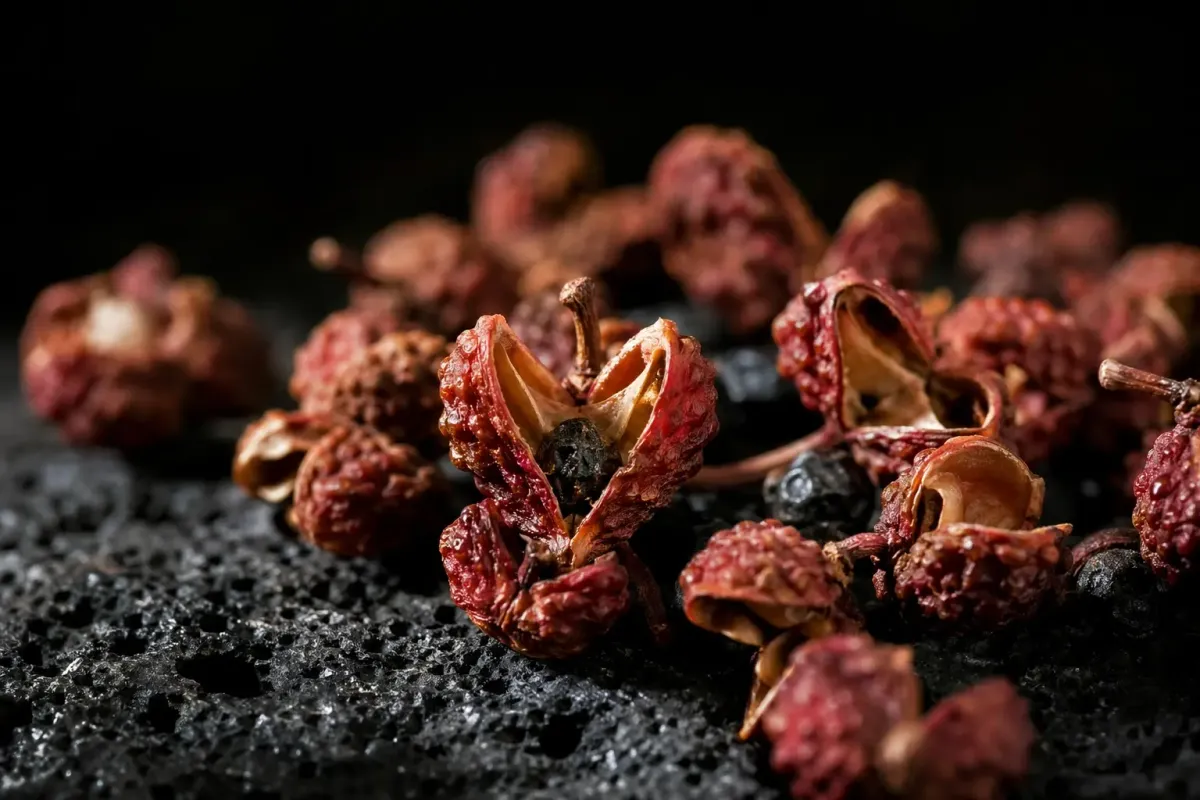
Spice Map
The aromatic layer most weak pantries are missing.
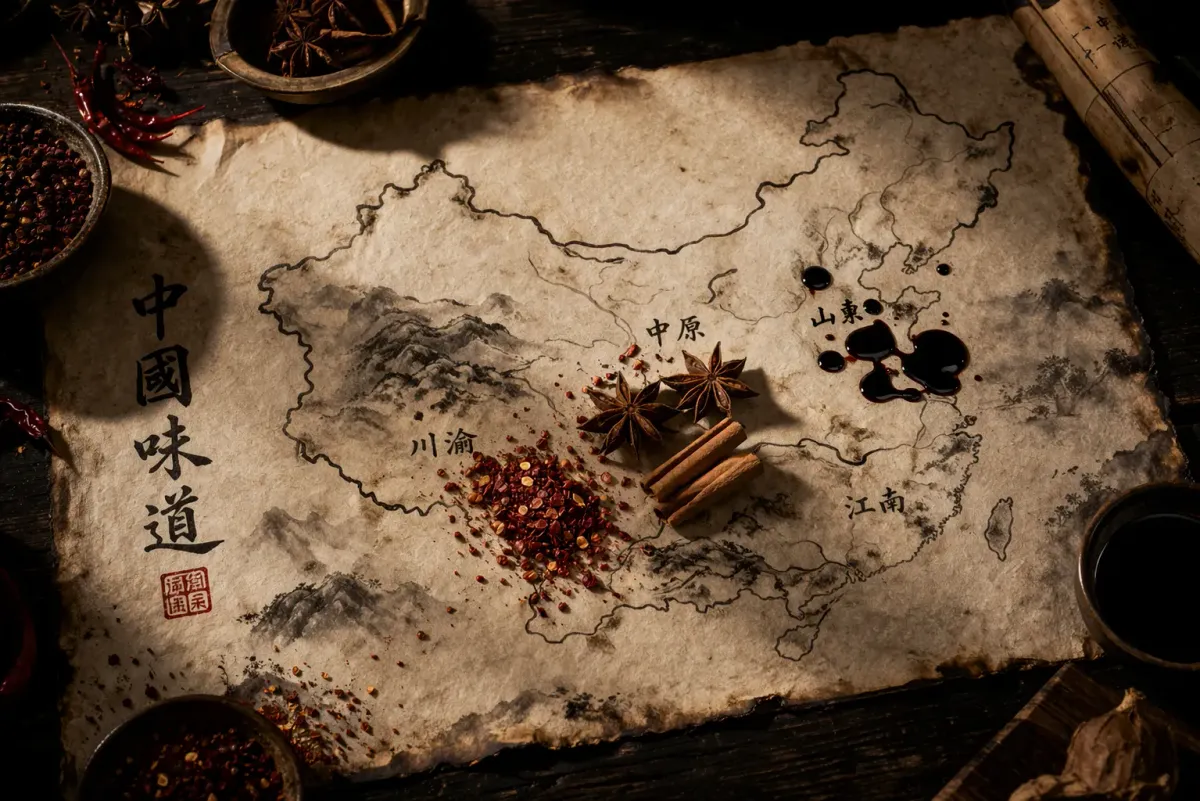
Regional Flavors
See which cuisine logic your pantry is best positioned to support.
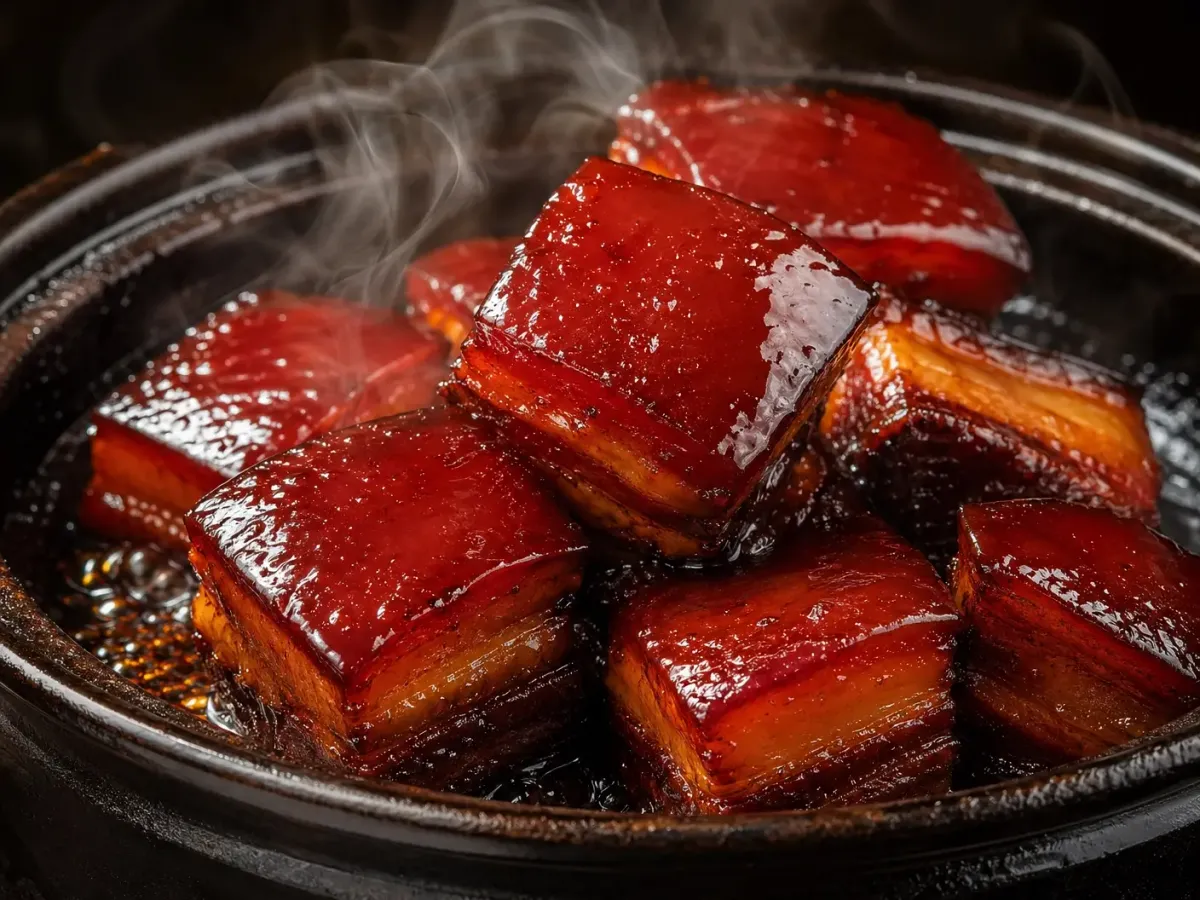
What Is Umami?
Why pantry strength is really about layered savory infrastructure.
Related