Editorial Library
Chinese Cooking Guides
These guides explain Chinese flavor, pantry logic, wok heat, tofu texture, regional taste, and the reasons home versions often miss the result.
Articles
24
Topic Tracks
6
Latest Update
Oct 2026
Topics
Browse by Topic
Six topic tracks across flavor science, technique, and pantry judgment — pick the lens that fits your question.
Umami Science
Glutamate, synergy, restaurant flavor, and the myths people still repeat.
Kitchen Physics
Heat, wok hei, velveting, starch, and the mechanics that make food feel alive.
Sauce Logic
Comparisons and judgment calls for sauces that look similar but behave differently.
Tofu & Texture
How tofu behaves, why it breaks, and how different textures change the whole dish.
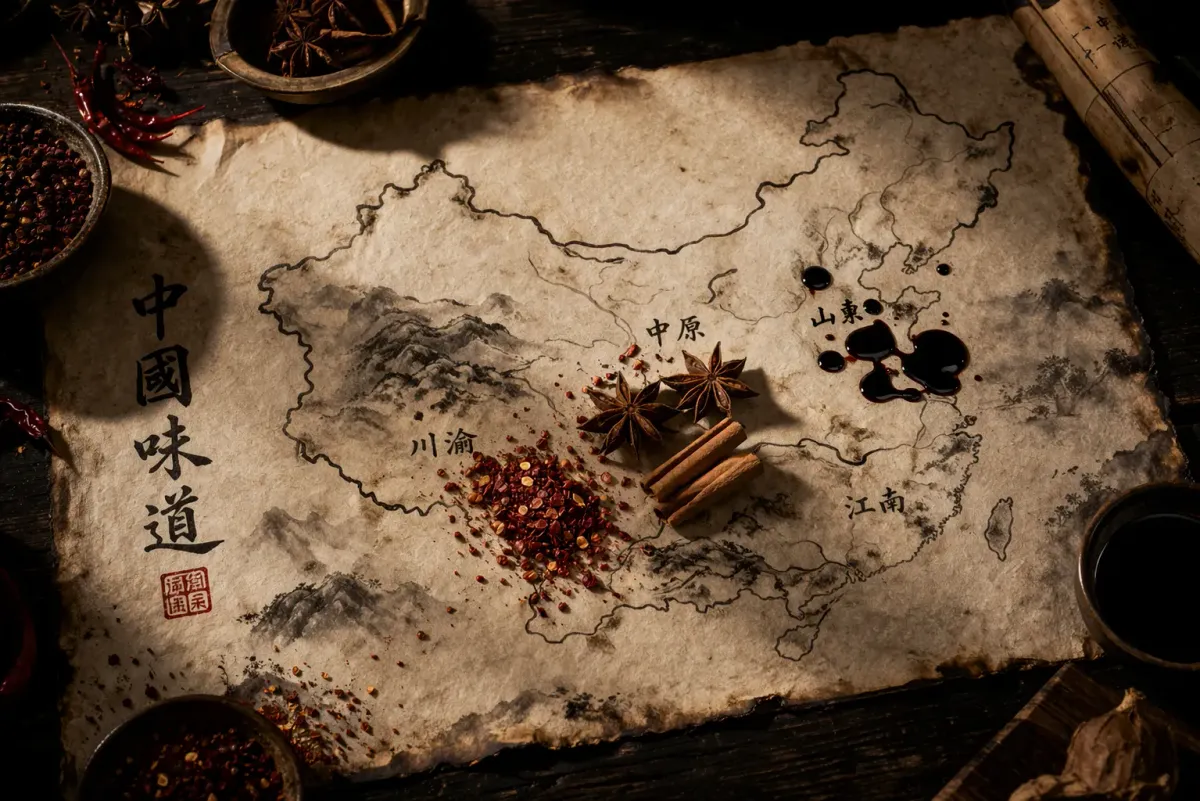
Regional Flavor
Why geography changes taste, and how Chinese cuisines split by ingredients and technique.
Aromatics & Freshness
How to judge spices, bloom aromatics, and stop dead pantry ingredients from flattening dinner.
Latest
Latest Field Notes
The most recent guides and umami explainers, newest first.
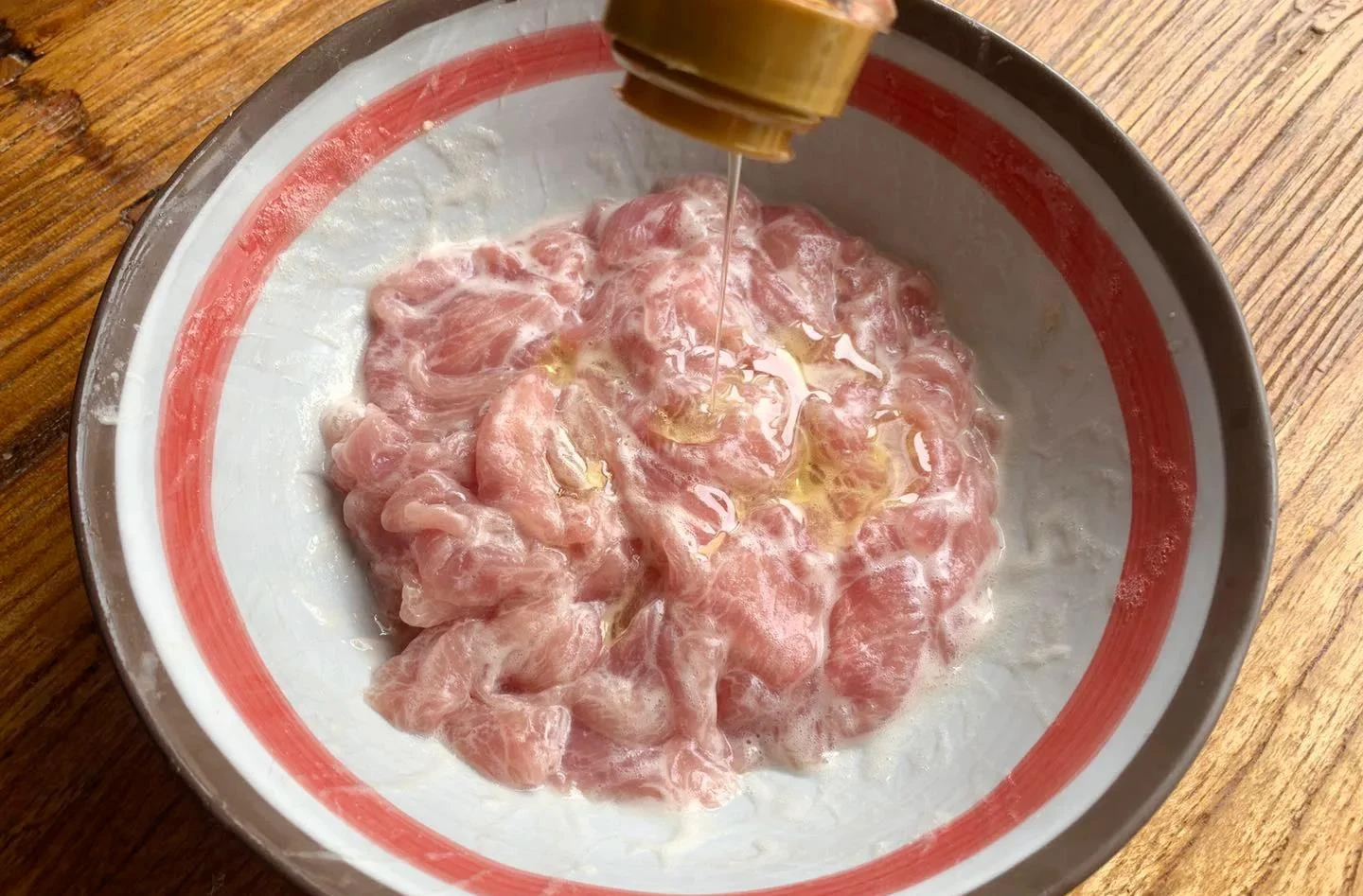
Dumpling Filling: The Four Layers That Actually Matter
Most dumpling filling advice is a list of things to add. It is also wrong. Salt, water, umami and aroma are four separate jobs, and the order you build them decides whether the filling works.
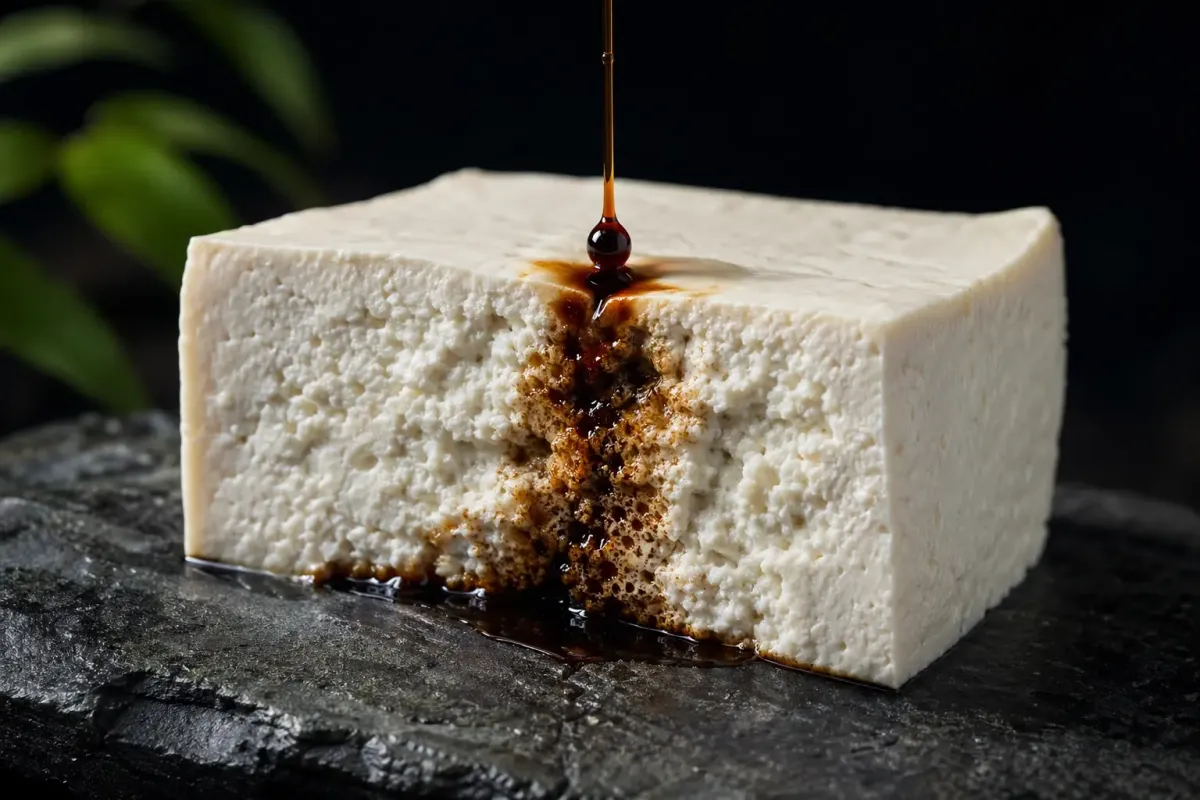
What Kind of Tofu Should You Use for Baking? A Buyer's Guide
Tofu blended into brownies, folded into a cheesecake filling, or swapped for eggs — the box you pick changes the result. How to read a tofu label in the right order, and when one tofu is not a clean swap for another.
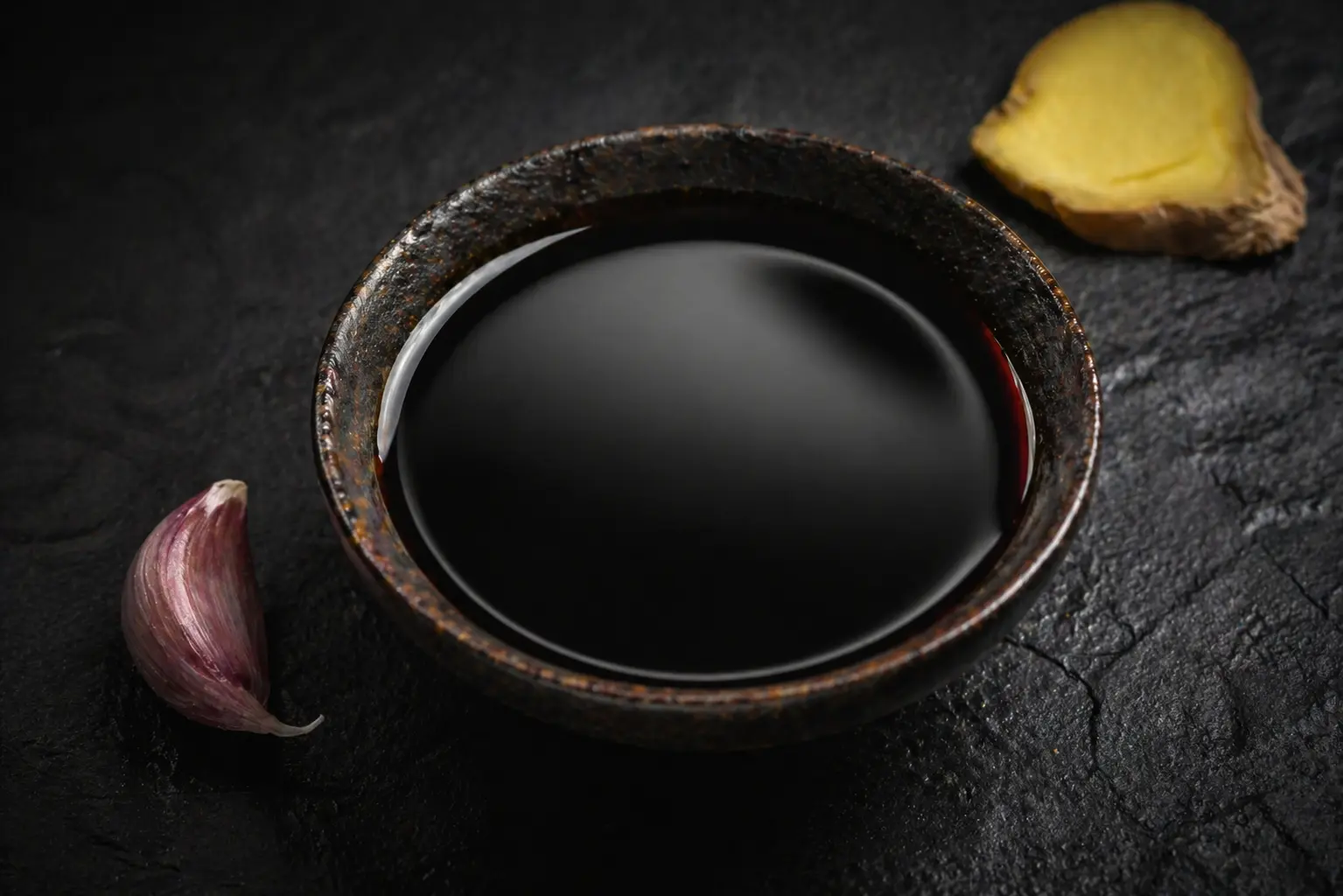
Chinese Black Vinegar vs Chinkiang Vinegar: Substitutes & Selection Guide
Chinkiang isn't black vinegar's rival — it's the flagship. Pick between Chinkiang, Shanxi and Yongchun black vinegar, choose which to buy, and use the substitute matrix that actually works (hint: not balsamic).
Science
Umami Science
Glutamate, synergy, restaurant flavor, and the myths people still repeat.
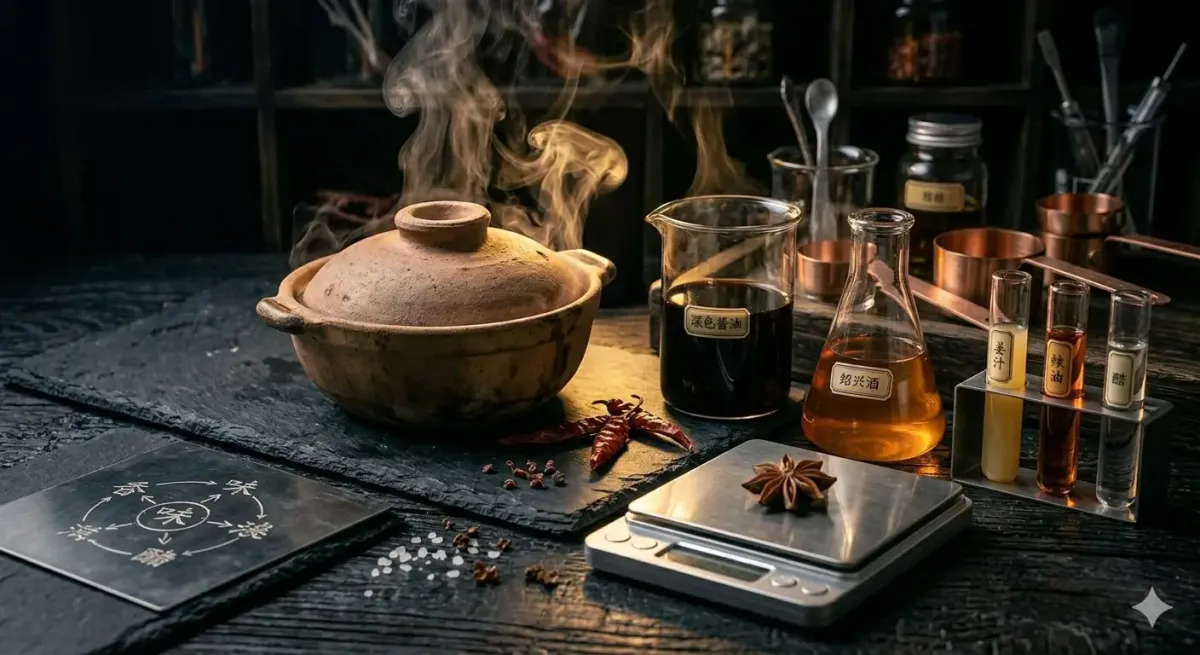
What Is MSG? The White Crystal That Makes Food Taste Alive
MSG is the flavor of your grandmother's stock, crystallized into a white powder — and the fear around it began with a 1968 letter, not a study. What MSG is, what it isn't, and how to use it.
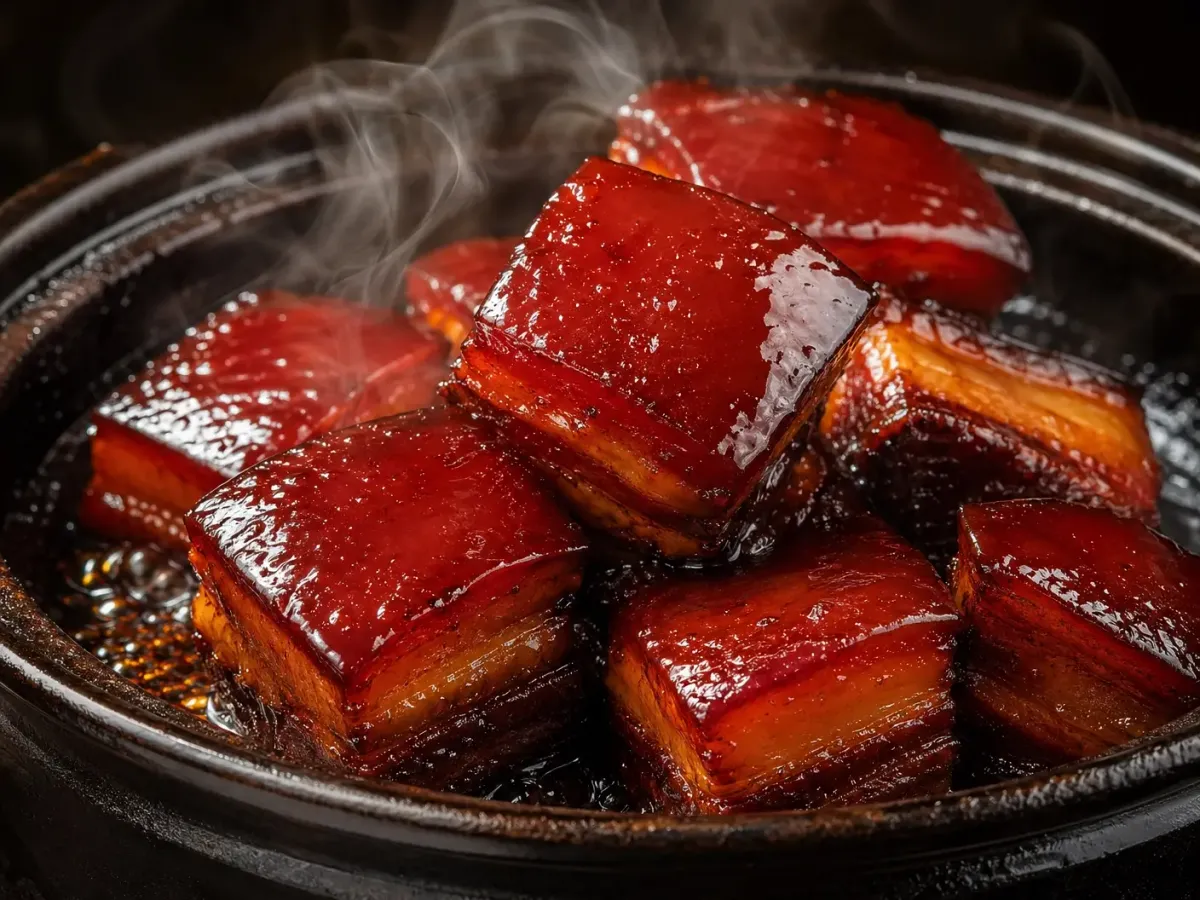
Umami in Fermented Foods: The Science of How Fermentation Creates Flavor
Fermentation is nature's flavor factory. How the 3 pathways — protein hydrolysis, nucleotide release, and peptide chemistry — create umami in soy sauce, bean paste, fermented tofu, and douchi.
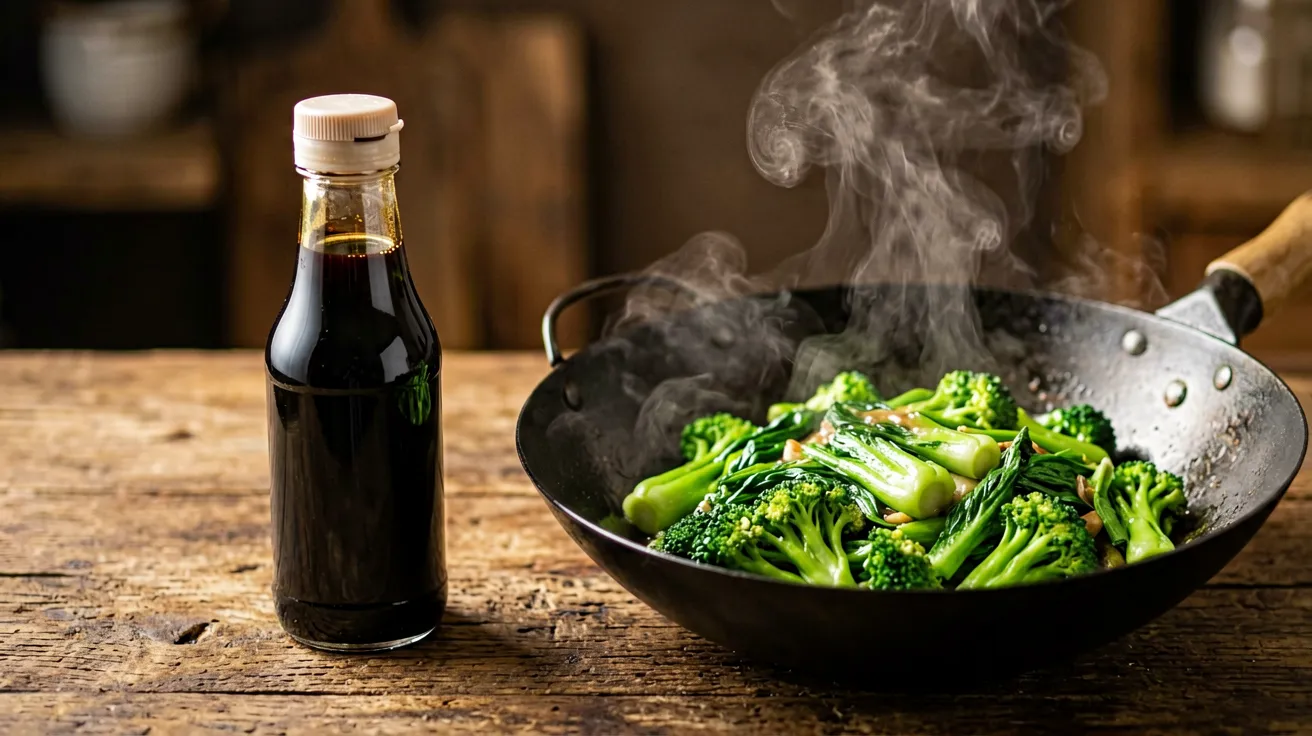
Best Oyster Sauce Substitutes — I Tested 6 Alternatives So You Don't Have To
No oyster sauce? I tested hoisin, mushroom oyster sauce, soy sauce + sugar, fish sauce blend, coconut aminos, and teriyaki — side by side in identical stir-fries. See which substitute actually works (ranked from best to worst) and which one burns your dinner.
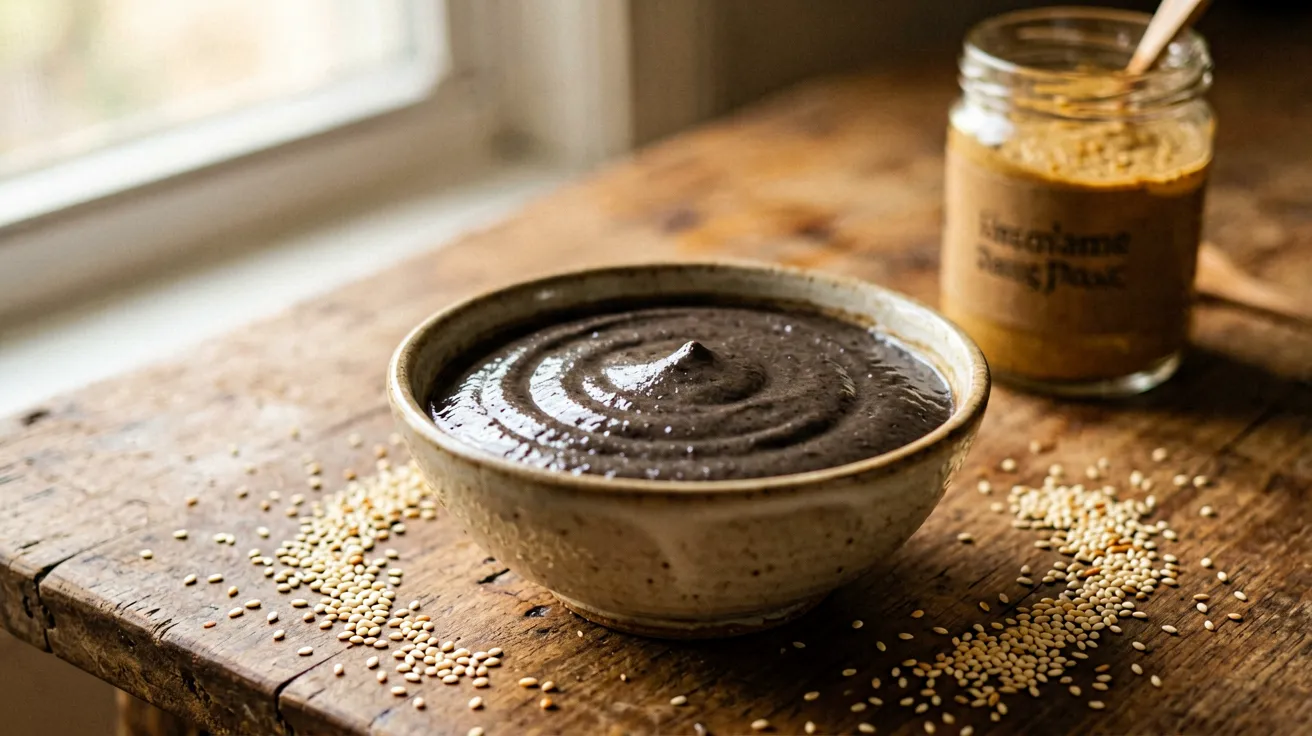
Best Sesame Paste Substitutes — Chinese Sesame Paste vs Tahini & 5 More Tested
No Chinese sesame paste? I tested tahini, peanut butter, cashew butter, DIY sesame paste, sunflower seed butter, and almond butter — side by side in identical hot pot dipping sauce and cold noodles. See which substitute actually works (ranked from best to worst) and which one changes the entire dish.
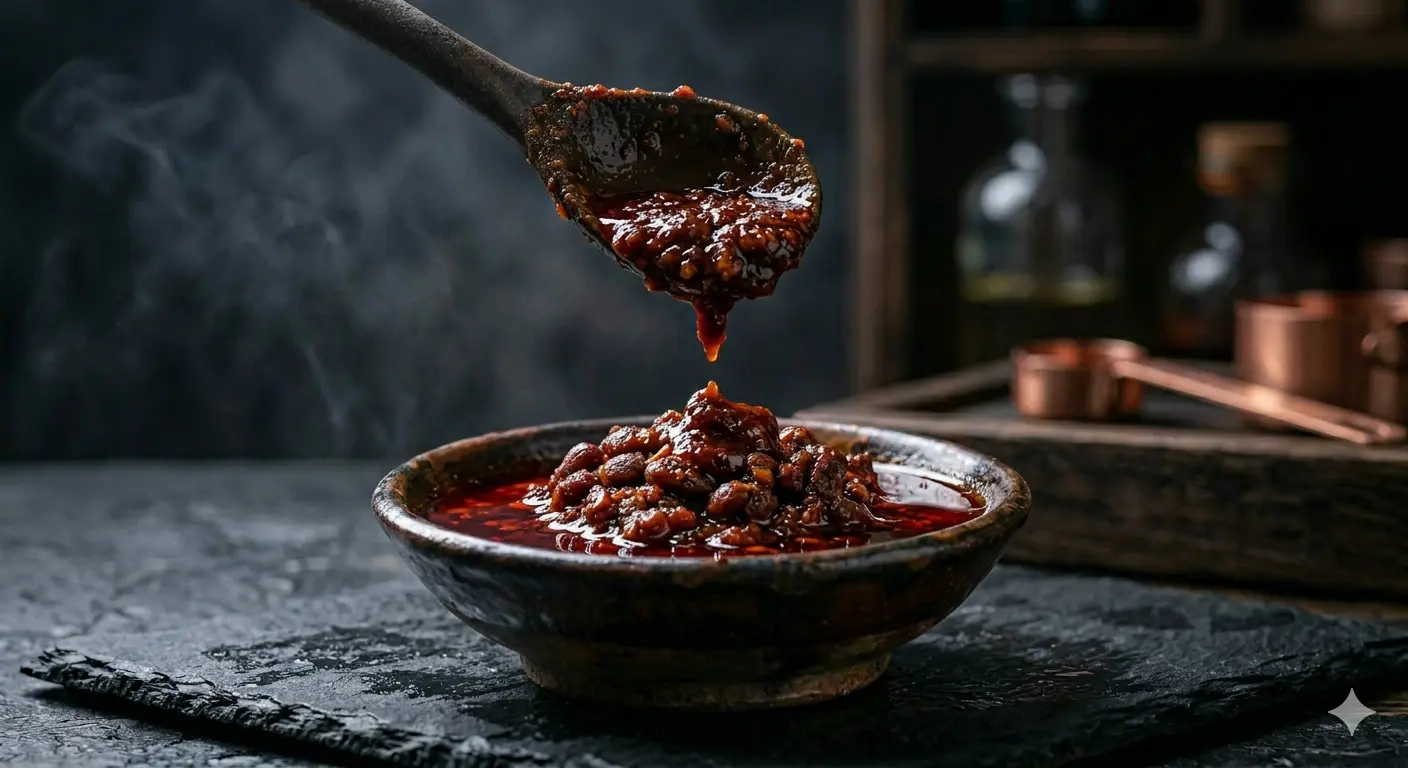
Doubanjiang Substitutes — I Tested Every Alternative So You Don't Ruin Your Mapo Tofu
No doubanjiang? Gochujang is 47% there. Miso + chili oil is 35%. Plain chili paste is 20%. Here's the honest math on each substitute, based on side-by-side cooking tests in my Hong Kong kitchen.
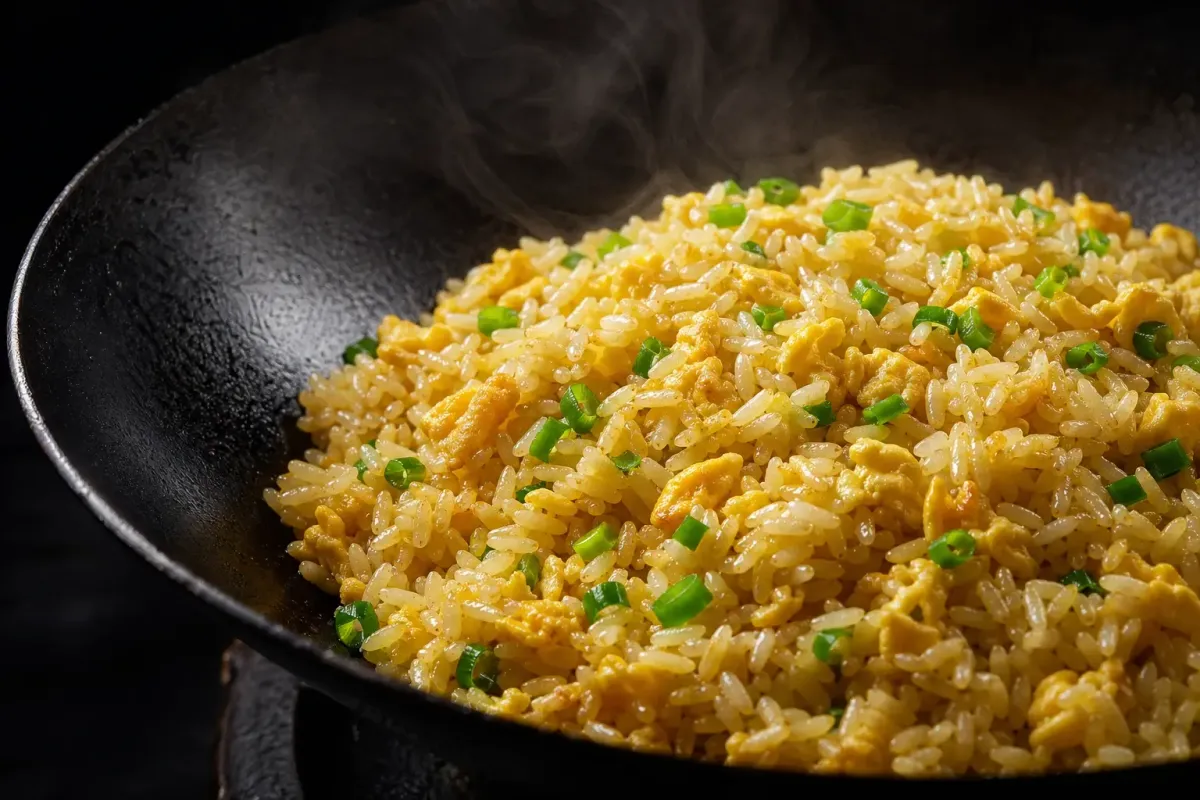
MSG Myths — I Was Afraid of It, Then I Tested It, and Now I Use It Almost Every Day
Chinese Restaurant Syndrome was a single anecdote that became a 50-year myth. I spent two months researching the science, cooking with MSG, and serving it to friends without telling them. Here's what I found.
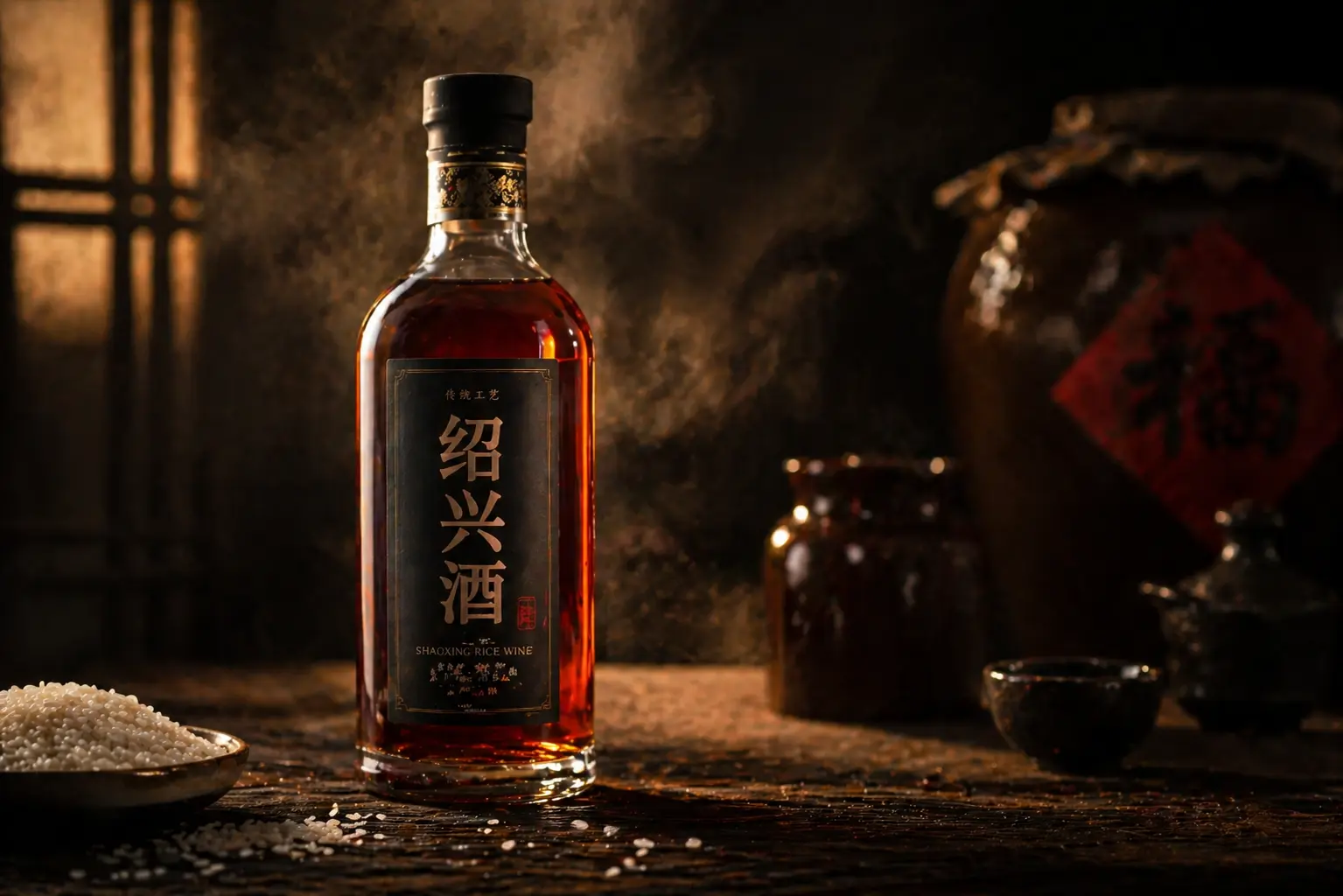
Best Shaoxing Wine Substitutes — I Tested 5 Alternatives So You Don't Have To
No Shaoxing wine? I tested dry sherry, sake, white wine, mirin, and nothing — side by side in identical stir-fries. See which substitute actually works (ranked from best to worst) and which one ruins your dish.
What Is Umami? — I Cooked the Same Stir-Fry 9 Times to Prove the Fifth Taste Exists
Sweet, sour, salty, bitter... and umami. The 100-year-old discovery that changed how we understand flavor — and what happened when I tested umami stacking in my own kitchen.
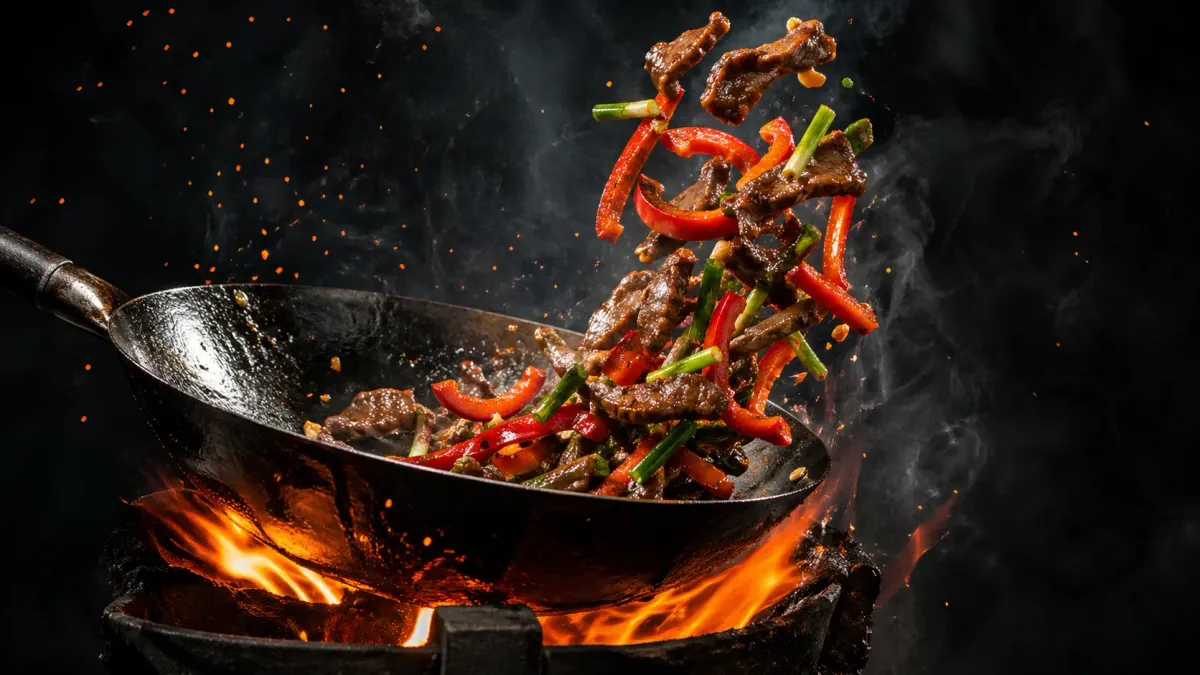
Why Restaurant Chinese Food Tastes Different — I Watched a Chengdu Chef for Four Hours and Finally Understood
You've got the right soy sauce. The right Shaoxing wine. You've followed the recipe to the letter. But it still doesn't taste like takeout. Here's the final 10% that Chinese restaurants know and recipes never tell you.
Japan Named Umami. China Invented It.
The word 'umami' was coined in Tokyo in 1908. But Chinese cooks had been layering glutamates for 3000 years before anyone gave it a name.
Technique
Kitchen Physics
Heat, wok hei, velveting, starch, and the mechanics that make food feel alive.
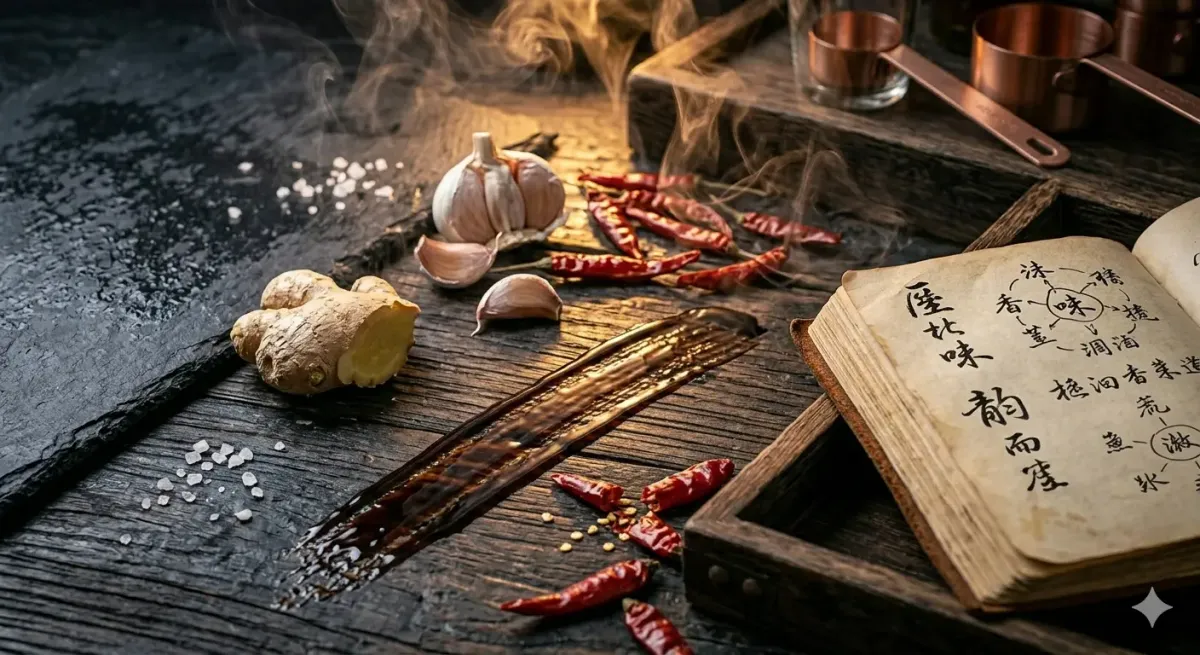
Chinese Dumpling Fillings: Why a Harbin Sauerkraut Pocket Tastes Nothing Like a Guangzhou Shrimp Parcel
A jiaozi in Harbin and a har gow in Guangzhou are not the same food. Here is how wheat, rice, wrapper construction, moisture and regional pantry decide what a Chinese dumpling actually tastes like.
Dumpling Filling: The Four Layers That Actually Matter
Most dumpling filling advice is a list of things to add. It is also wrong. Salt, water, umami and aroma are four separate jobs, and the order you build them decides whether the filling works.
The Velveting Chicken Guide: Technique, Steps & Substitutes
Baking soda vs egg white & cornstarch — I tested all three on identical chicken. How to velvet chicken, exact steps, and what to use when ingredients run short.
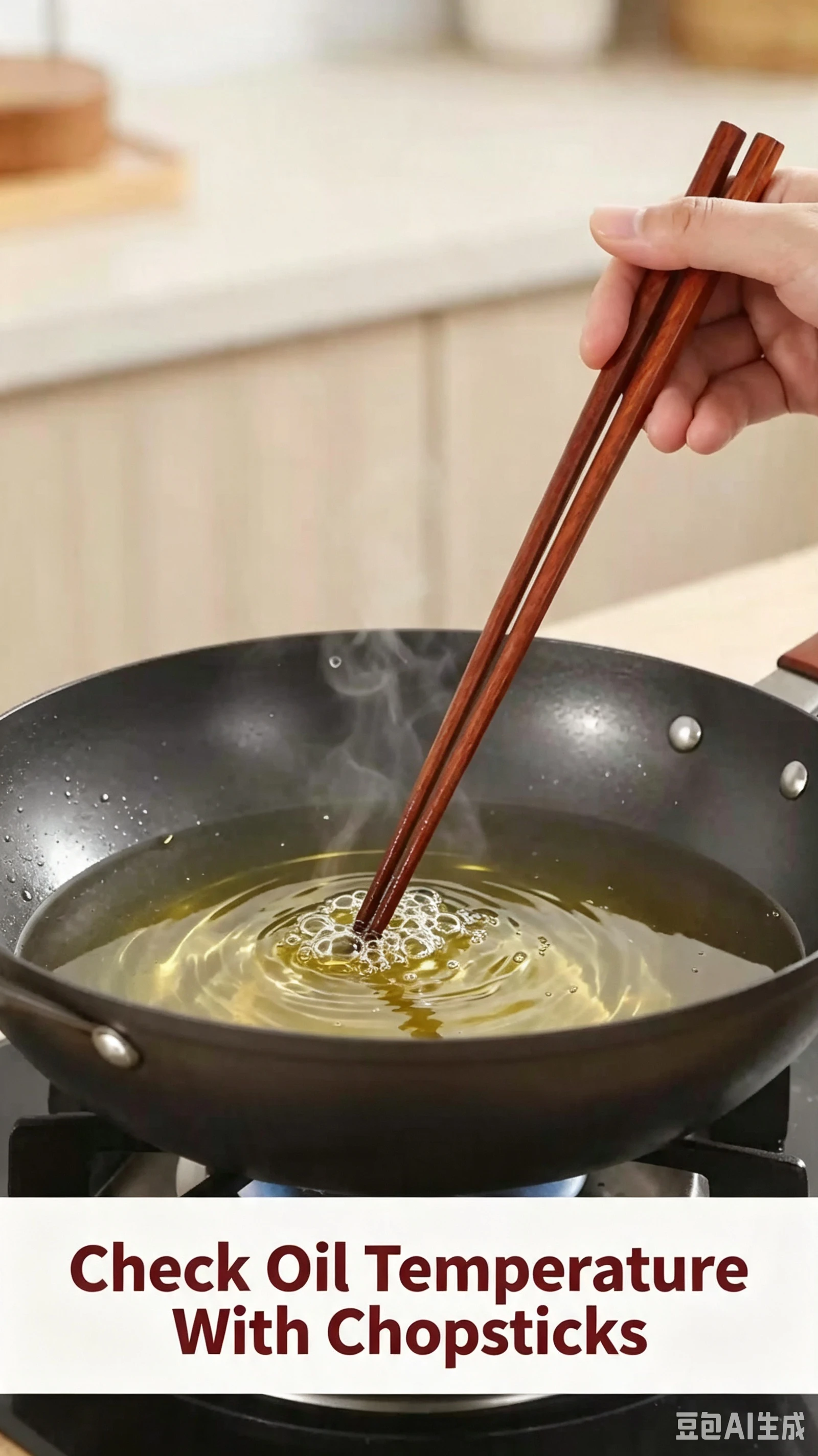
Oil Temperature Guide — The Six Stages of Hot Oil and How to Recognize Each
Chinese recipes say things like 'heat oil until shimmering' and 'fry at 60% heat.' Here's what those cryptic phrases actually mean, translated into temperatures, visual cues, and the chopstick test.
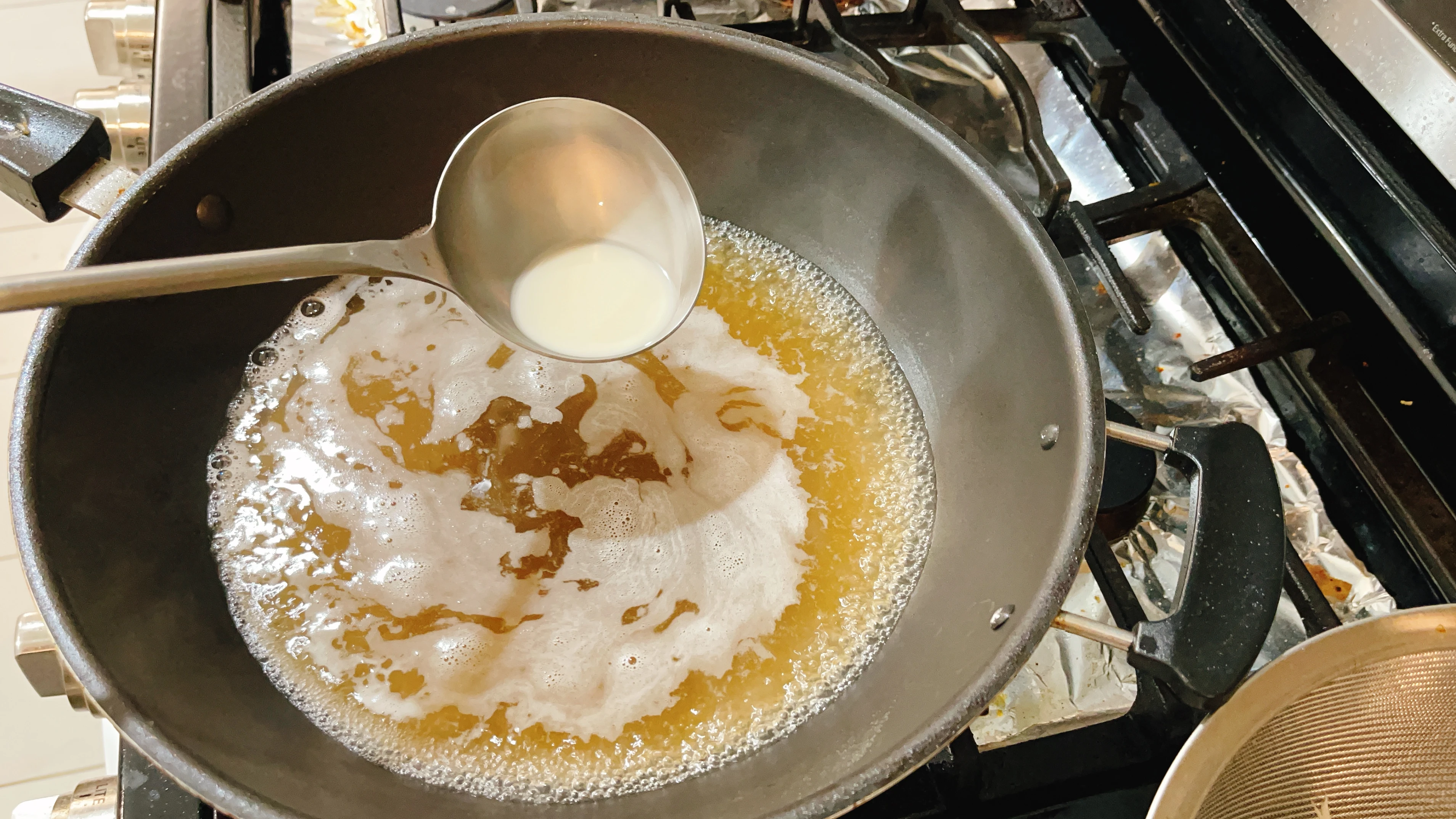
Starch Slurry Guide — The 30-Second Trick That Fixes Thin Sauces
Cornstarch slurry is the difference between a sauce that pools on the plate and a sauce that clings to every ingredient. Here's the ratio, the timing, and the one mistake that makes everything lumpy.
Velveting 101 — The Technique That Makes Chinese Restaurant Meat So Tender
Velveting is a 30-second pre-cooking step that transforms tough, lean meat into the silky, tender protein you get at restaurants. Here's exactly how it works and how to do it at home.
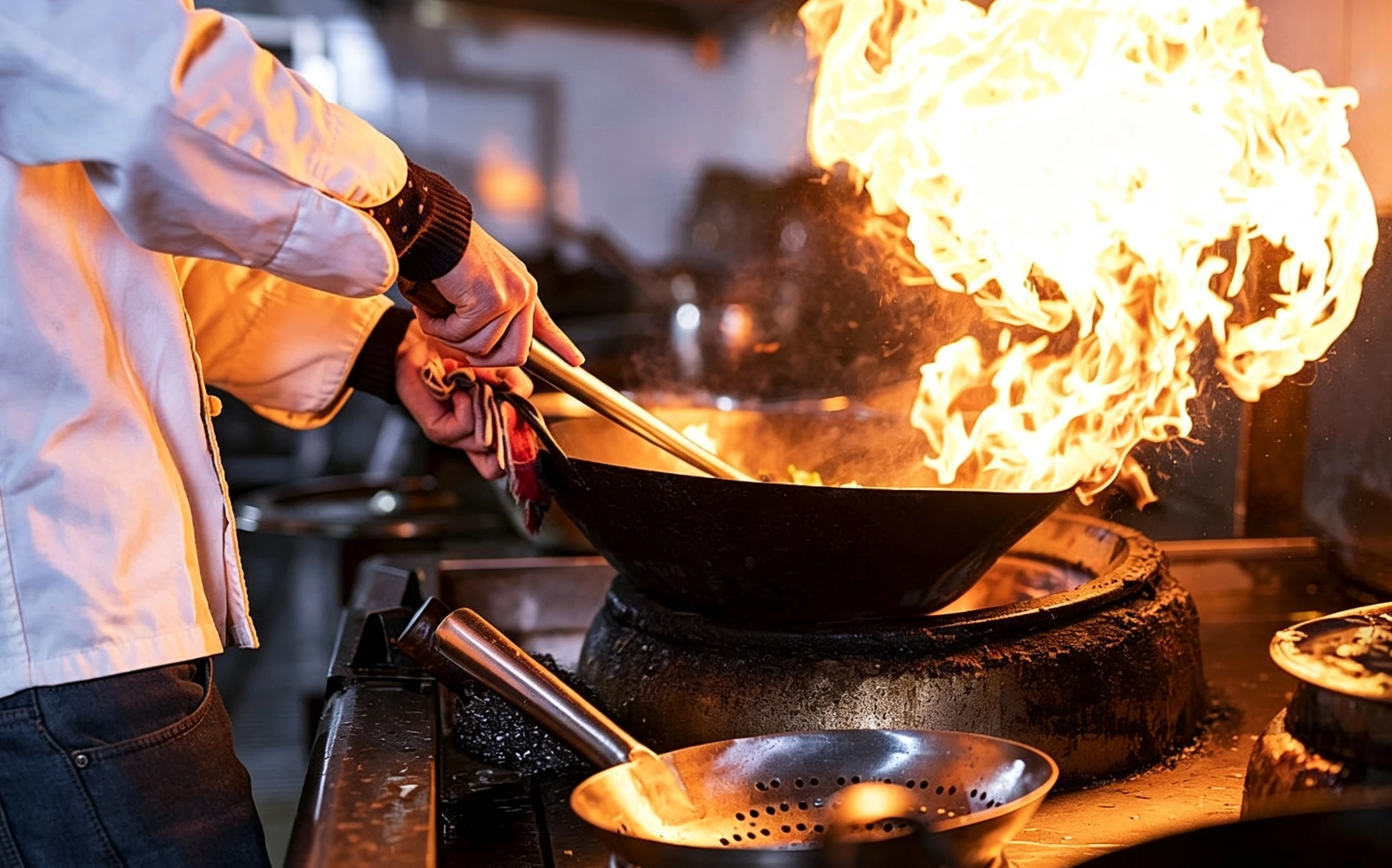
Wok Hei and the Thermodynamics of Stir-Fry — Why Heat Is an Ingredient
Wok hei is not a myth. It's a chemical event driven by temperature, oil vaporization, and flame contact. Here's the physics of what's actually happening when a professional chef tosses food through a jet of fire.
Sauces
Sauce Logic
Comparisons and judgment calls for sauces that look similar but behave differently.
Chinese Black Vinegar vs Chinkiang Vinegar: Substitutes & Selection Guide
Chinkiang isn't black vinegar's rival — it's the flagship. Pick between Chinkiang, Shanxi and Yongchun black vinegar, choose which to buy, and use the substitute matrix that actually works (hint: not balsamic).
Oyster Sauce vs Hoisin Sauce — They Look the Same in the Jar but Taste Nothing Alike
I used hoisin sauce instead of oyster sauce exactly once. The dish came out tasting like sweet barbecue. Here's the difference, when to use which, and why confusing them ruins dinner.
Texture
Tofu & Texture
How tofu behaves, why it breaks, and how different textures change the whole dish.
What Kind of Tofu Should You Use for Baking? A Buyer's Guide
Tofu blended into brownies, folded into a cheesecake filling, or swapped for eggs — the box you pick changes the result. How to read a tofu label in the right order, and when one tofu is not a clean swap for another.
How Tofu Absorbs Flavor — The Physics of Why Your Tofu Tastes Like Nothing
You pressed it. You marinated it. You stir-fried it. And it still tastes like warm sponge. Here's the science of tofu absorption, why most advice is wrong, and the three techniques that actually work.
Six Types of Tofu — I Bought Every Kind at the Asian Grocery Store and Cooked Them All
Silken, soft, medium-firm, firm, extra-firm, and pressed tofu — they're six different products wearing the same white suit. I cooked all six in the same stir-fry recipe to see what happened.
Geography
Regional Flavor
Why geography changes taste, and how Chinese cuisines split by ingredients and technique.
Aromatics
Aromatics & Freshness
How to judge spices, bloom aromatics, and stop dead pantry ingredients from flattening dinner.