Umami Calculator
Umami isn't one flavor - it's a stacking system. When glutamate (soy sauce), inosinate (oyster sauce), and guanylate (dried shiitake) combine, their effect multiplies - sometimes up to 8x. Check off what's in your dish and see the synergy score.
Umami Score
Sources
1
Inosinate
No
Guanylate
No
Add an inosinate or guanylate source for real amplification.
Selected stack: Light Soy Sauce.
What to do next
Once you see the stack, the next move is learning the underlying science or checking whether your pantry has the right categories to repeat the result.
How It Works
1. Check your ingredients
Soy sauce, oyster sauce, miso, shiitake, kombu, tomatoes, and more.
2. See the synergy multiplier
Single stack = 1x. Double = up to 2x. Triple = up to 8x perceived depth.
3. Get targeted advice
Which category you're missing and what to add for the next level.
At A Glance
Input
Check Your Ingredients
8 umami sources across glutamate, inosinate, and guanylate.
Output
Synergy Score + Tier
Restaurant-level, excellent, good foundation, or needs more.
Result
Actionable Advice
What to add to hit the next tier of umami depth.
Newsletter
The Missing Umami Letter
One email a month: the flavor logic behind a dish, a fix, and one pantry decision worth making. No spam, no filler.
What's in Season
Autumn Ingredients to Cook Now
These autumn ingredients are at their best right now (寒露 / Cold Dew).
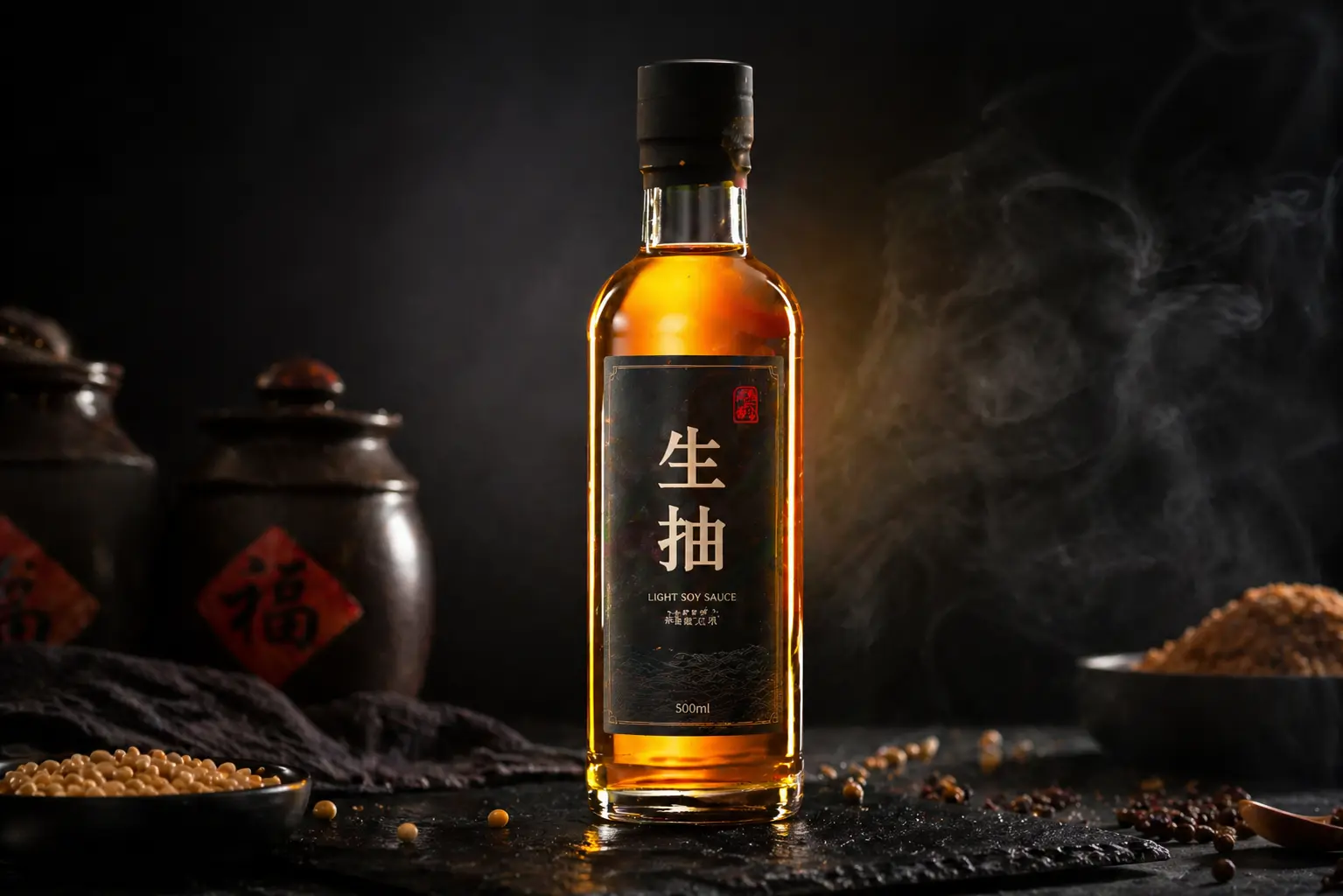
Light Soy Sauce
Light soy sauce is the salt and umami engine of Chinese cuisine. If you only own one Chinese sauce, make it this one.
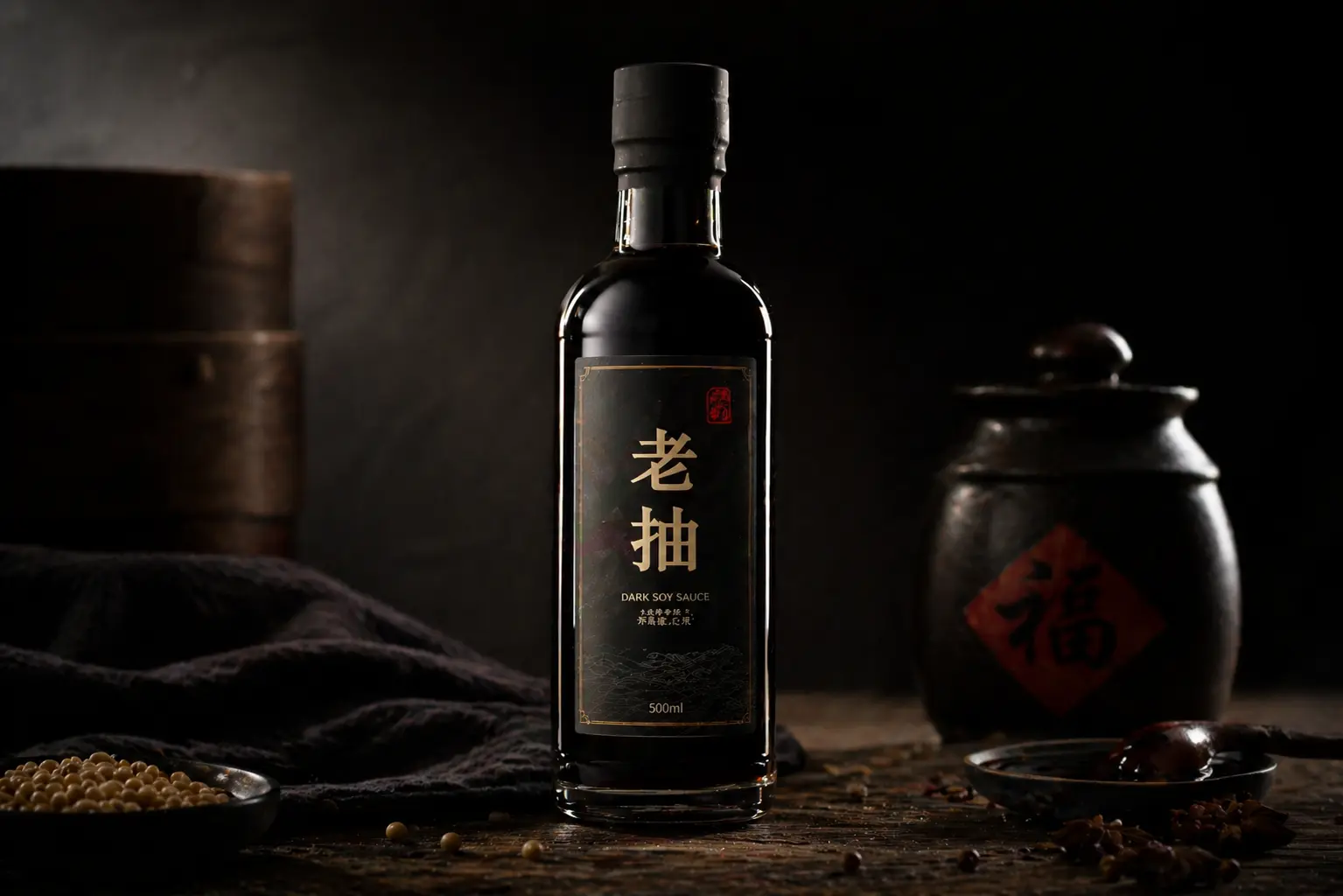
Dark Soy Sauce
Dark soy sauce isn't for seasoning. It's for color, body, and that glossy mahogany finish that makes Chinese braised dishes look like they came from a restaurant.
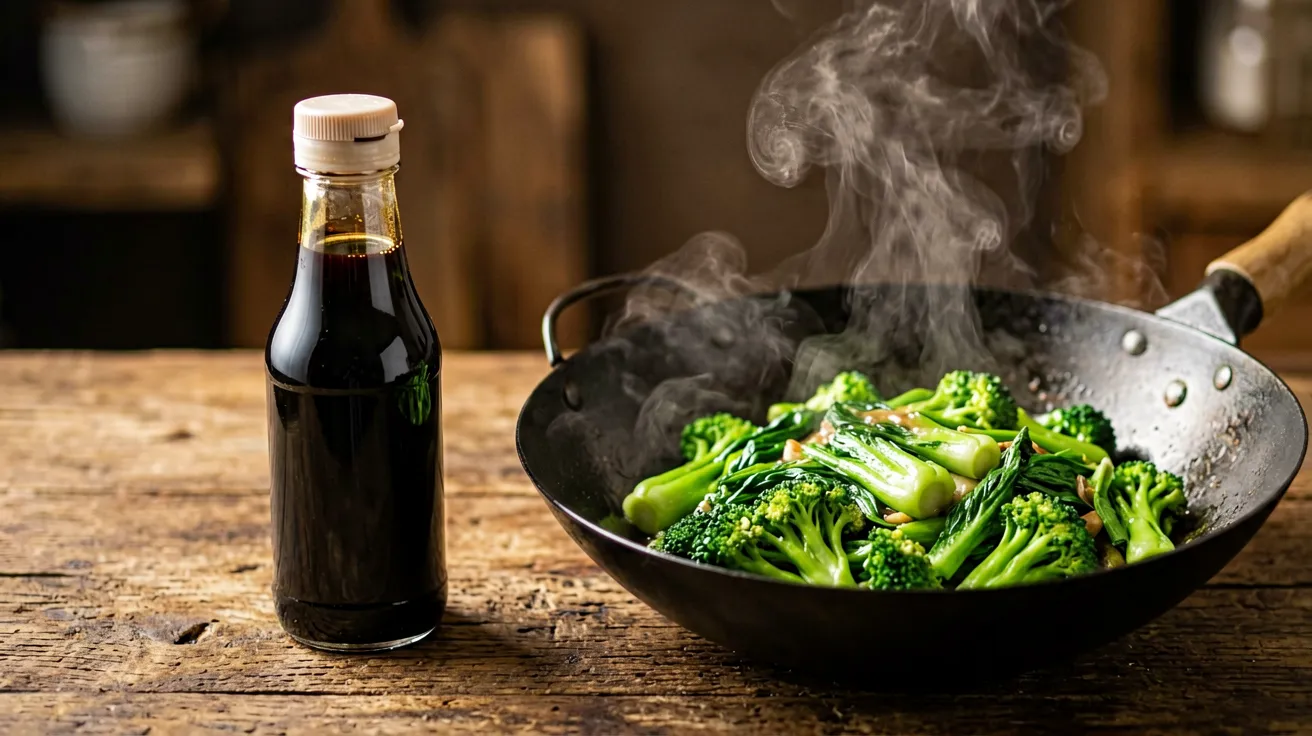
Oyster Sauce
That glossy, savory-sweet coating on restaurant vegetables? That's oyster sauce used correctly. Here's what I learned about when to add it, when to avoid it, and why the brand actually matters.
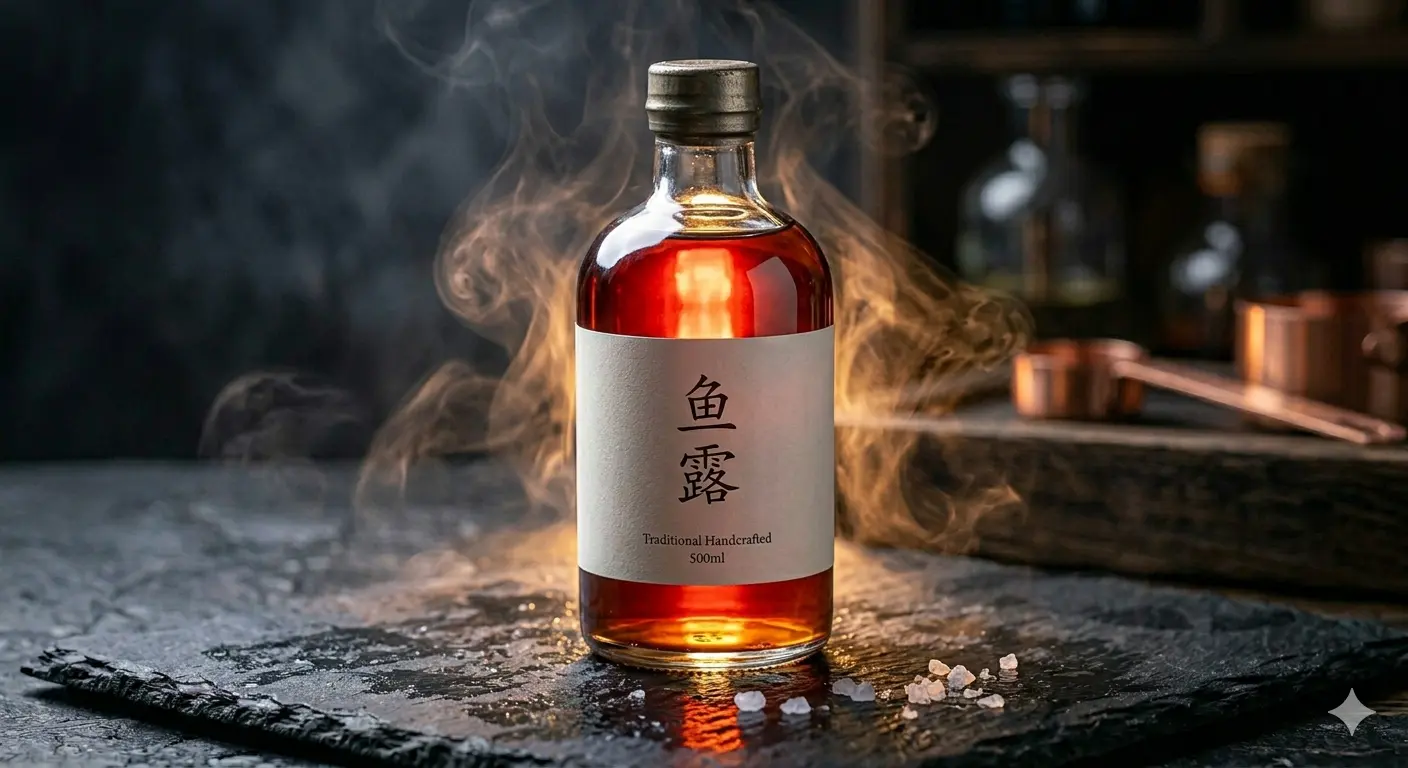
Fish Sauce
Fish sauce smells like a fishing dock at low tide. Cooked, it transforms into the purest umami engine in your pantry. Here's when to use it, when to avoid it, and why it belongs next to your soy sauce.
Tool in Context
What This Tool Is For
Use the tool, but also understand when it matters and what kind of decision it is built to make.
What
A flavor-stacking tool for estimating how much savory depth your ingredient combination can realistically generate.
Why
Because umami is not just about adding one strong ingredient. It is about combining categories that amplify each other.
Who
People trying to understand why their dish tastes thin, why restaurant food feels deeper, or how to build better savory structure at home.
Where
Use it while planning a dish, troubleshooting a flat result, or learning which pantry items actually multiply each other instead of just piling on salt.
Best Used When
Best Used When
- • You want to know whether your dish has one-note savoriness or real layered depth.
- • You are building a stir-fry, soup, or braise and want to know what category is still missing.
- • You want a practical way to understand the theory behind umami synergy.
Common Mistakes
Common Mistakes
- • Assuming one strong sauce automatically creates restaurant-level umami.
- • Adding more salt when the real problem is missing synergy.
- • Ignoring category diversity and stacking only glutamate sources.
Related Reads
Read Around the Tool
What Is Umami?
The guide behind the tool’s core logic.
Why Restaurant Chinese Tastes Different
A practical explanation of why stacked umami feels stronger.
MSG Myths
Separate fear, folklore, and actual flavor engineering.
Pantry Audit
Check whether your pantry even contains the right building blocks.
Related
Apply This In The Kitchen
Sources & Standards
- Umami — Kikunae Ikeda's 1908 isolation, and the reason umami is detected on the tongue rather than only as aroma.
- Glutamic acid — The backbone amino acid and the dominant umami source in soy sauce, doubanjiang and douchi.
- Disodium guanylate — The guanylate half of the I+G pairing. Dried shiitake and dried scallops are the practical sources.
- Disodium inosinate — The inosinate half. Anchovies, kombu and bonito are the practical sources, which is why fish-based stock outperforms vegetable stock for stacking.