China Flavor Map
China is a continent-sized country with eight distinct culinary traditions. Each region's cuisine is a direct response to its geography, climate, and history. Sichuan numbs. Cantonese whispers. Hunan burns. Explore why.
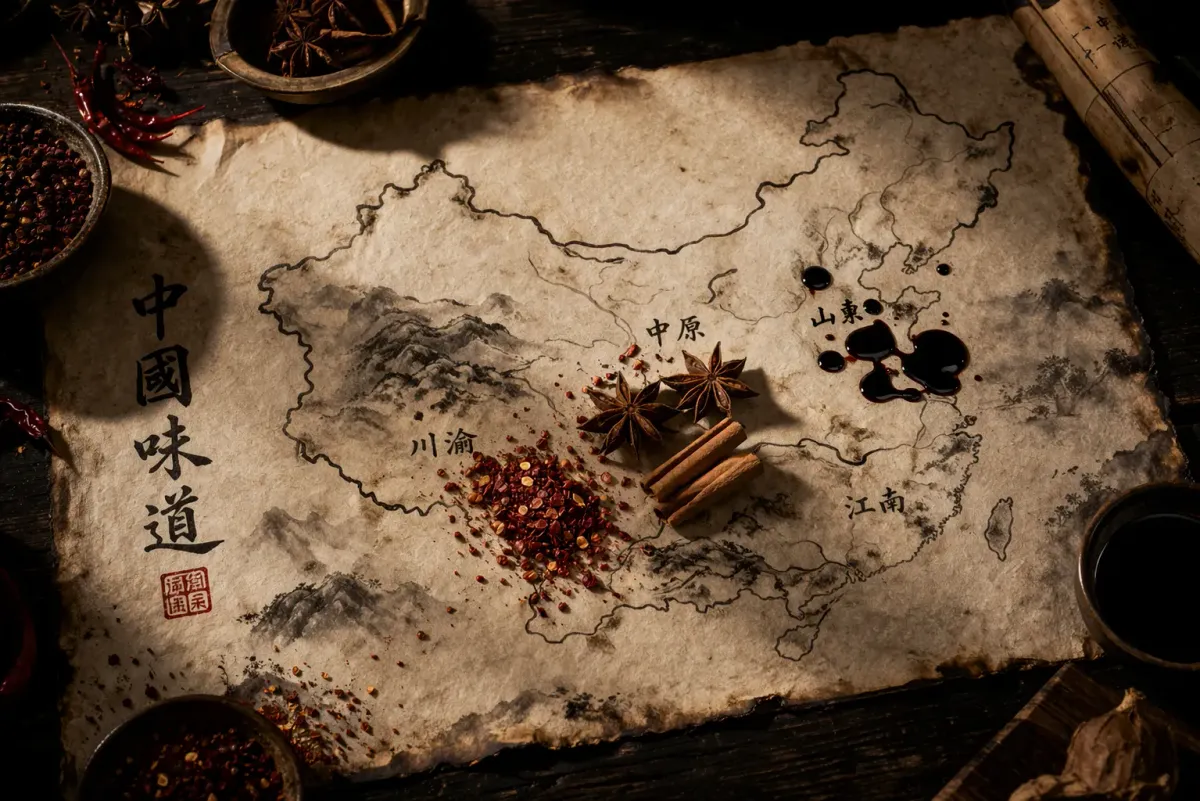
Sichuan
川菜Numbing, spicy, layered. Built for a humid basin and powered by fermented depth.
Why it tastes like that
Humidity and preservation pressures pushed the cuisine toward fermentation, chili, and numbing contrast.
Best first move
Start with doubanjiang and fresh Sichuan pepper. Without those, the region collapses into generic heat.
Core Ingredients
Signature Dishes
- • Mapo Tofu
- • Kung Pao Chicken
- • Twice-Cooked Pork
- • Hot and Sour Soup
What to do next
Regional understanding gets stronger when you move from the map into one cuisine profile and then down into the ingredient pages that define it.
How It Works
1. Click a region
Sichuan, Cantonese, Hunan, Shanghainese, or Northern/Beijing.
2. See the flavor logic
Geography drives cuisine. We explain the climate-to-ingredient chain.
3. Jump to deep dives
Every core ingredient links to its full page: flavor profile, usage, and substitutes.
At A Glance
Coverage
5 Regional Profiles
Sichuan, Cantonese, Hunan, Shanghainese, Beijing.
Per Region
Ingredients + Dishes
Core ingredients, signature dishes, and flavor signatures.
Deep Dive
Click to Ingredient Pages
Each core ingredient links to its full flavor profile and guide.
Newsletter
The Missing Umami Letter
One email a month: the flavor logic behind a dish, a fix, and one pantry decision worth making. No spam, no filler.
What's in Season
Autumn Ingredients to Cook Now
These autumn ingredients are at their best right now (寒露 / Cold Dew).
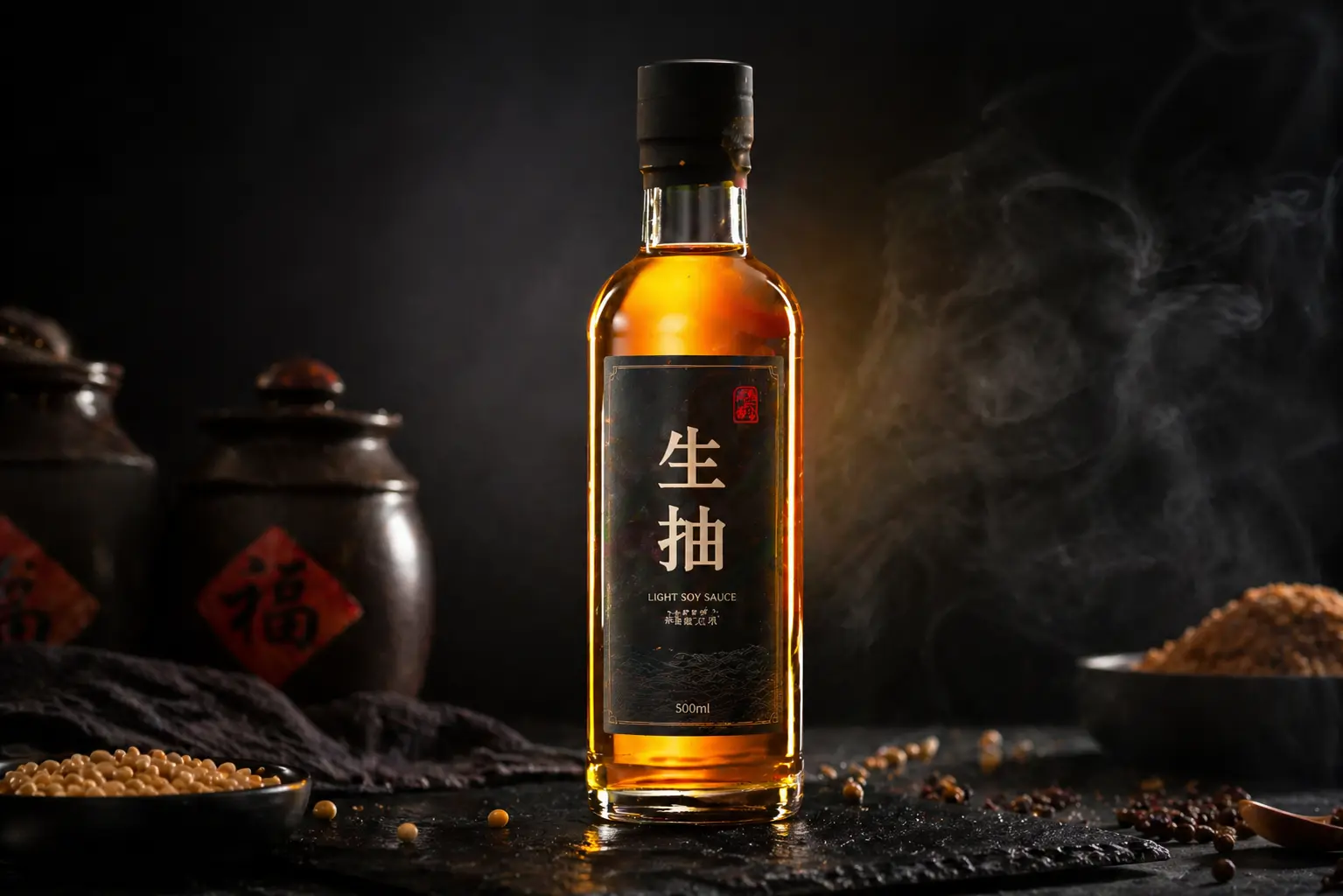
Light Soy Sauce
Light soy sauce is the salt and umami engine of Chinese cuisine. If you only own one Chinese sauce, make it this one.
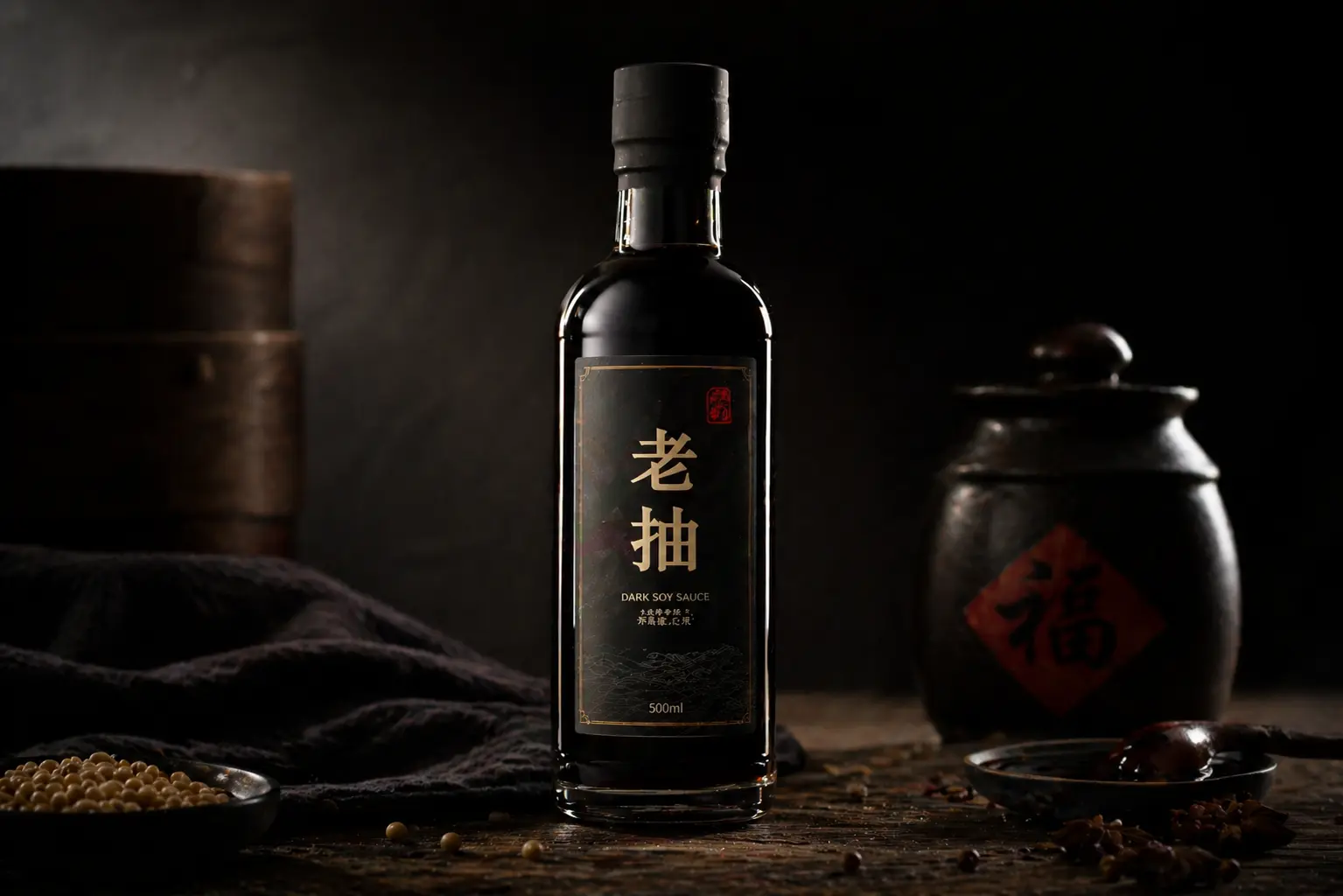
Dark Soy Sauce
Dark soy sauce isn't for seasoning. It's for color, body, and that glossy mahogany finish that makes Chinese braised dishes look like they came from a restaurant.
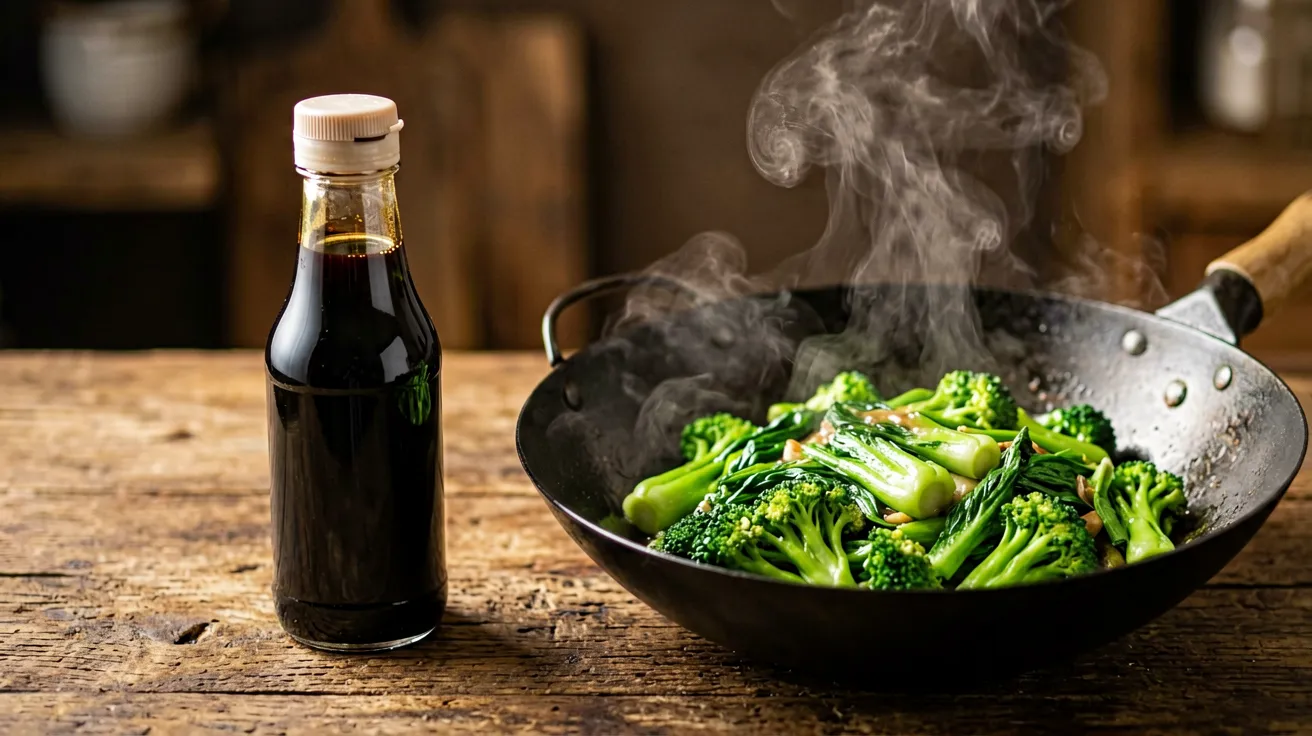
Oyster Sauce
That glossy, savory-sweet coating on restaurant vegetables? That's oyster sauce used correctly. Here's what I learned about when to add it, when to avoid it, and why the brand actually matters.
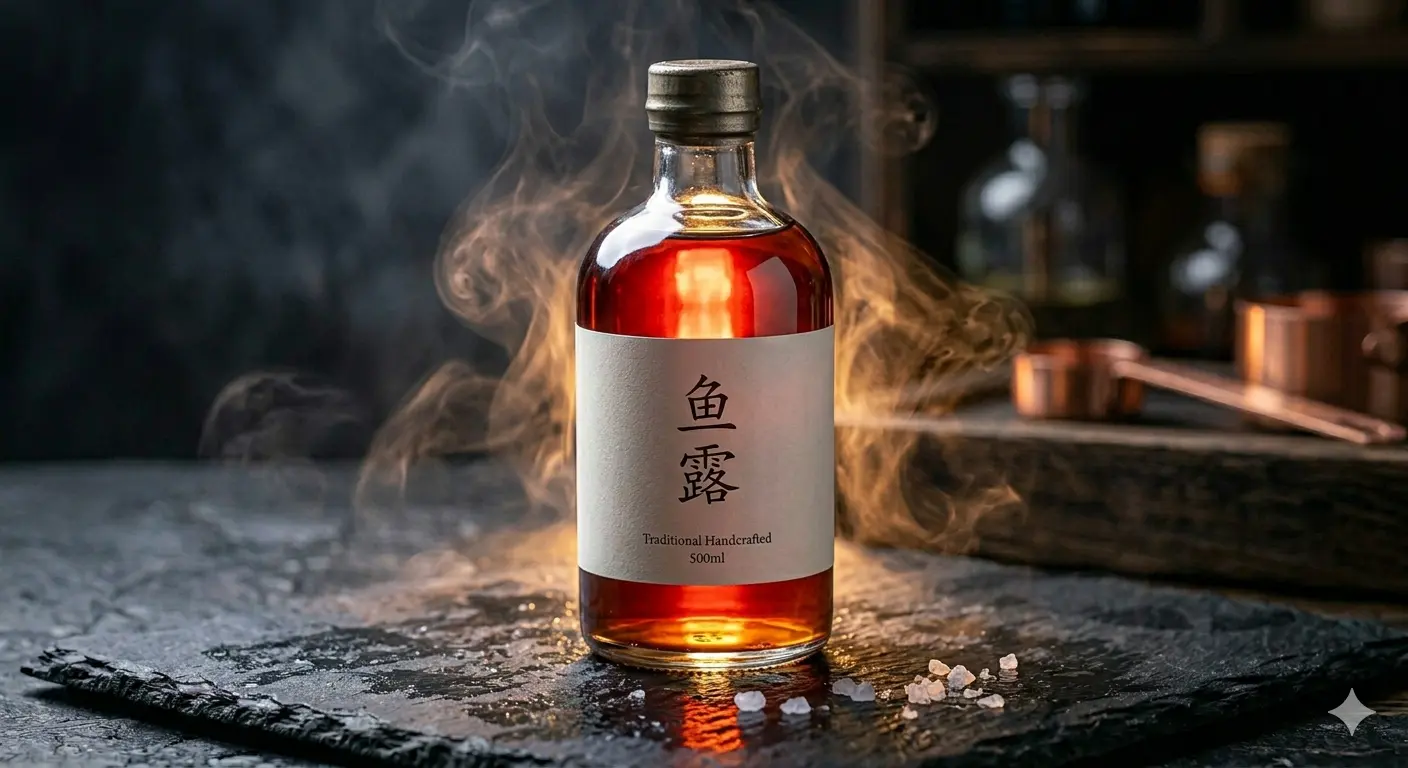
Fish Sauce
Fish sauce smells like a fishing dock at low tide. Cooked, it transforms into the purest umami engine in your pantry. Here's when to use it, when to avoid it, and why it belongs next to your soy sauce.
Tool in Context
What This Tool Is For
Use the tool, but also understand when it matters and what kind of decision it is built to make.
What
A regional explorer for understanding how geography, climate, and pantry logic shape Chinese cuisines.
Why
Because 'Chinese food' is too broad to learn as one thing. Regional logic is the shortcut to understanding why ingredients cluster the way they do.
Who
People trying to choose a regional cooking path, understand taste differences across China, or connect dishes back to ingredient systems.
Where
Use it when planning what cuisine to study next, when comparing regional pantry needs, or when you want a higher-level map before going ingredient by ingredient.
Best Used When
Best Used When
- • You want to know why Sichuan, Cantonese, and Hunan food do not season the same way.
- • You are choosing a cuisine cluster to build your pantry around.
- • You want regional context before diving into individual ingredient pages.
Common Mistakes
Common Mistakes
- • Treating all Chinese cuisines as if they share the same pantry logic.
- • Copying dishes from one region with ingredients from another without understanding the tradeoff.
- • Thinking regional difference is just spice level instead of preservation, climate, and texture priorities.
Related Reads
Read Around the Tool
The Geography of Chinese Flavor
The editorial deep dive behind the map logic.
Sichuan Flavor Profile
The region where numbing, fermentation, and humidity collide.
Cantonese Flavor Profile
The region that rewards clarity, freshness, and precision.
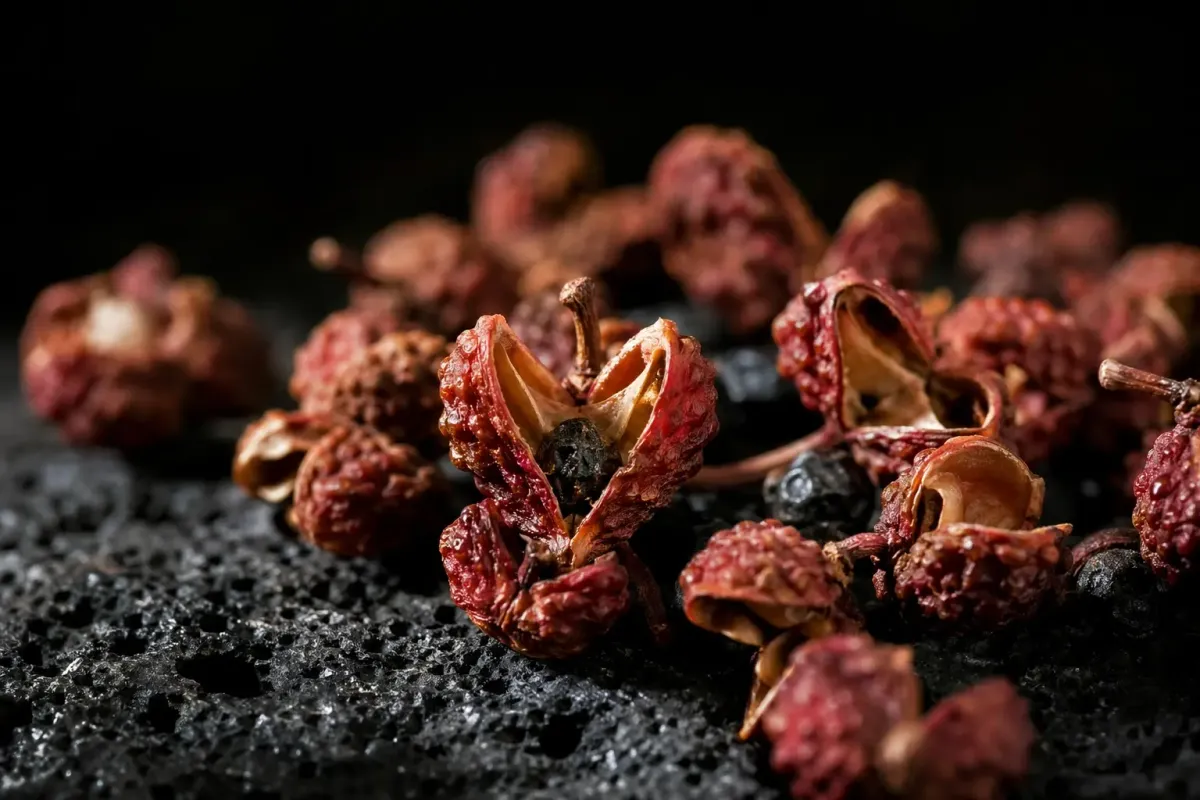
Spice Map
The aromatic layer most visible in regional identity.
Related
Apply This In The Kitchen
Sources & Standards
- Sichuan cuisine — Where the map's numbing-and-hot pairing comes from: 花椒 and dried chilli are not a regional preference but a basin climate outcome.
- Cantonese cuisine — The clarity-over-intensity axis, and why Cantonese technique treats stock as the ingredient rather than a base.
- Hunan cuisine — The smoke-and-preserved-vegetable axis (腊味, 酸豆角) that sits at the opposite end from Cantonese restraint.
- Shandong cuisine — Fermentation as an inland technique: 鲁菜 leans on 酱 and 发酵 rather than fresh aromatics.