🌱 Spring Season
Spring Ingredients & Recipes
Explore spring Chinese ingredients — bamboo shoots, spring onions, and tender greens. Find which seasonal ingredients define spring cooking and how to use them.
15 entries tagged for this season.
Spring is the only season with a dedicated "biting spring" tradition — 咬春 (yǎo chūn). That's not a coincidence. After a winter of storage cooking, your body craves fresh, green, and light — and Chinese cuisine delivers.
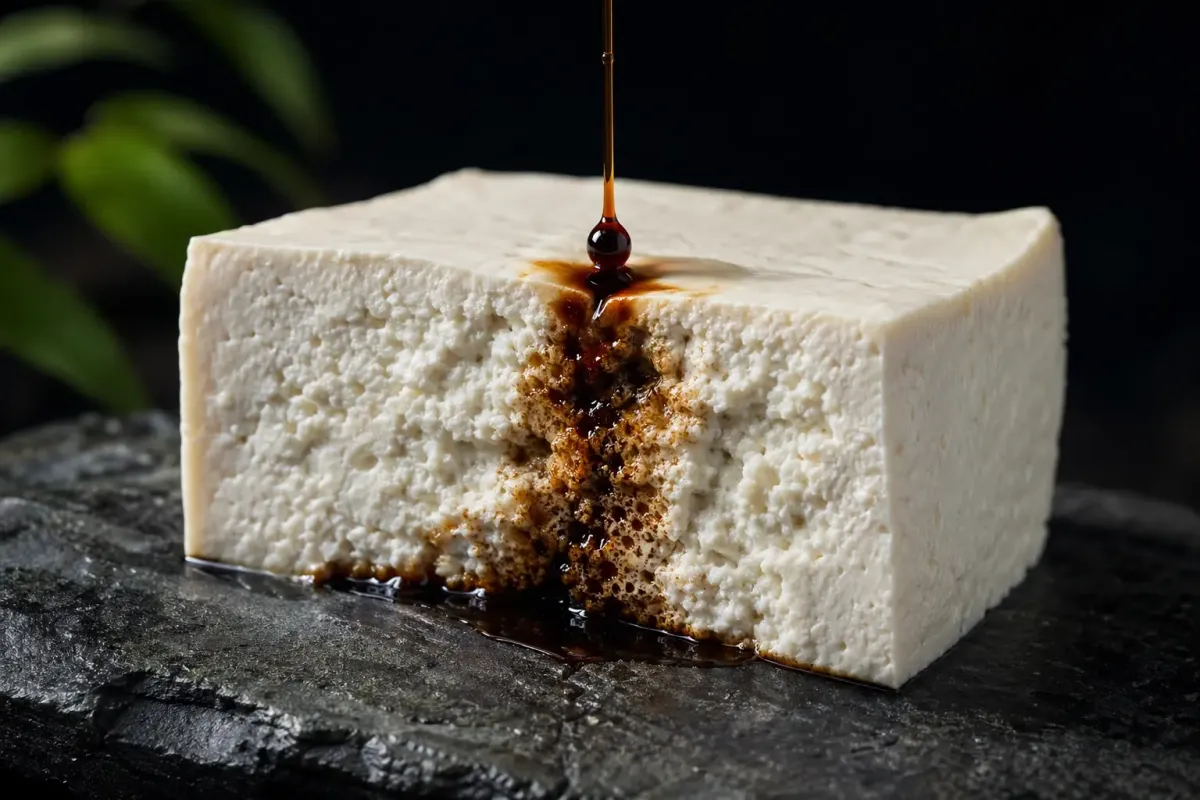
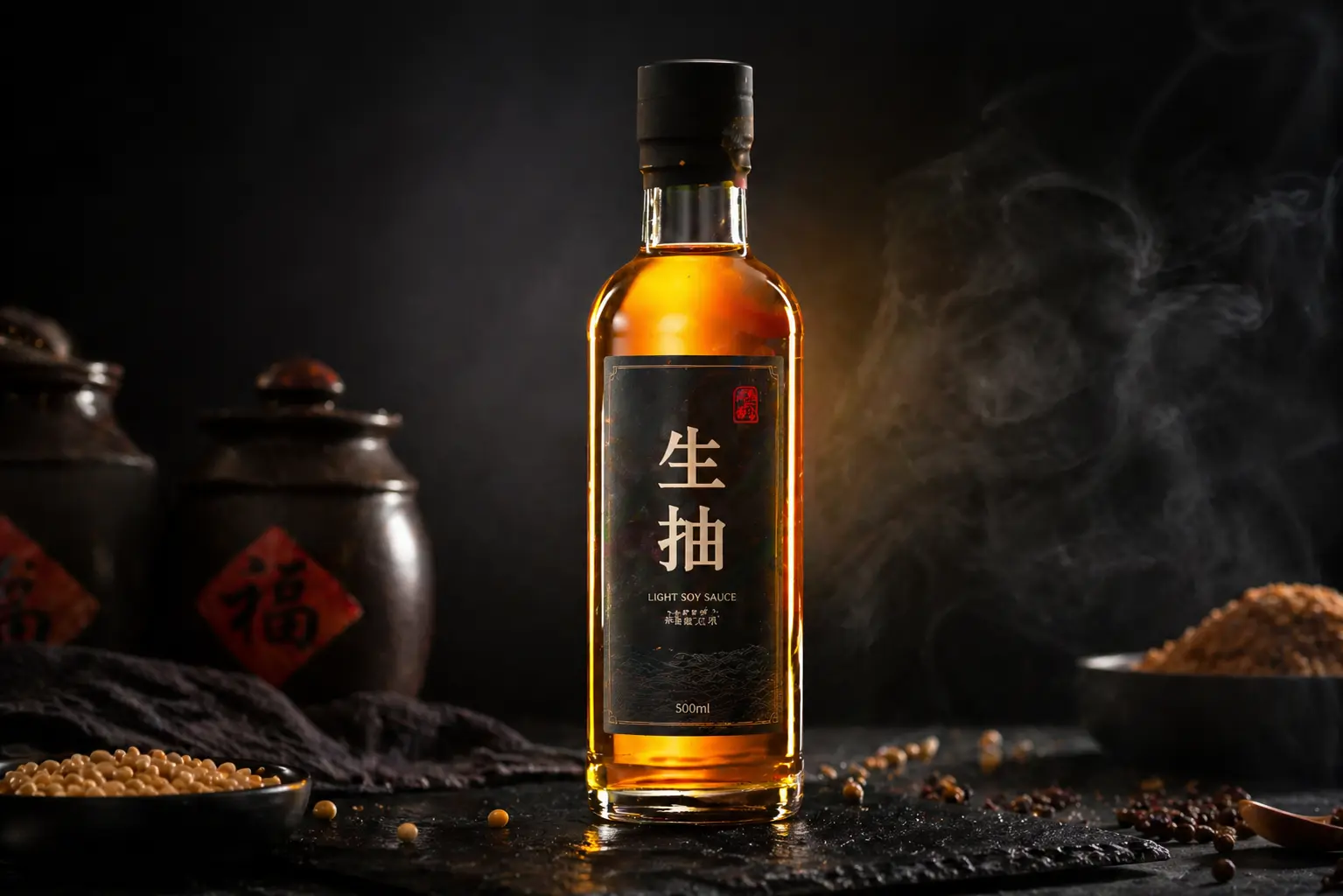
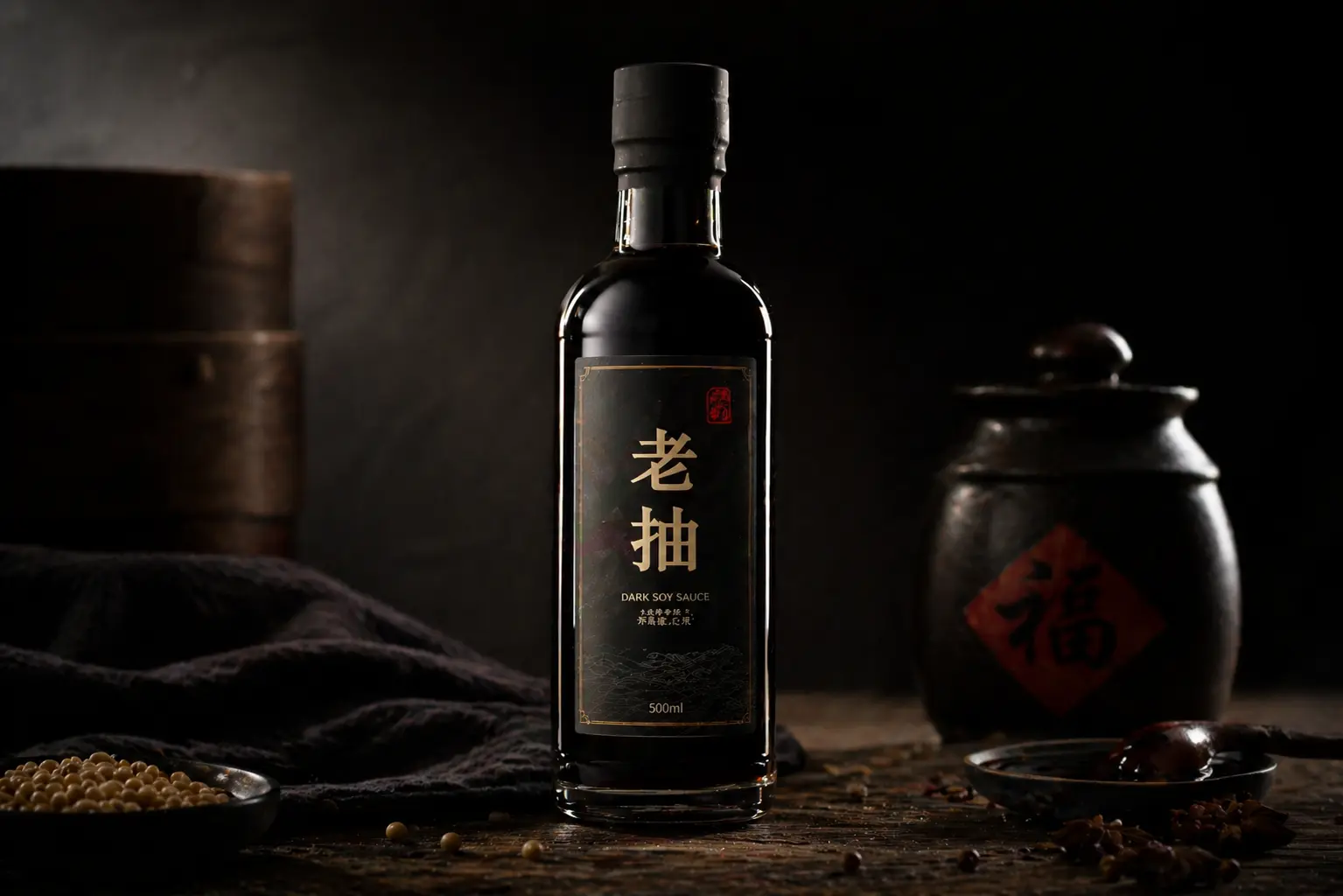
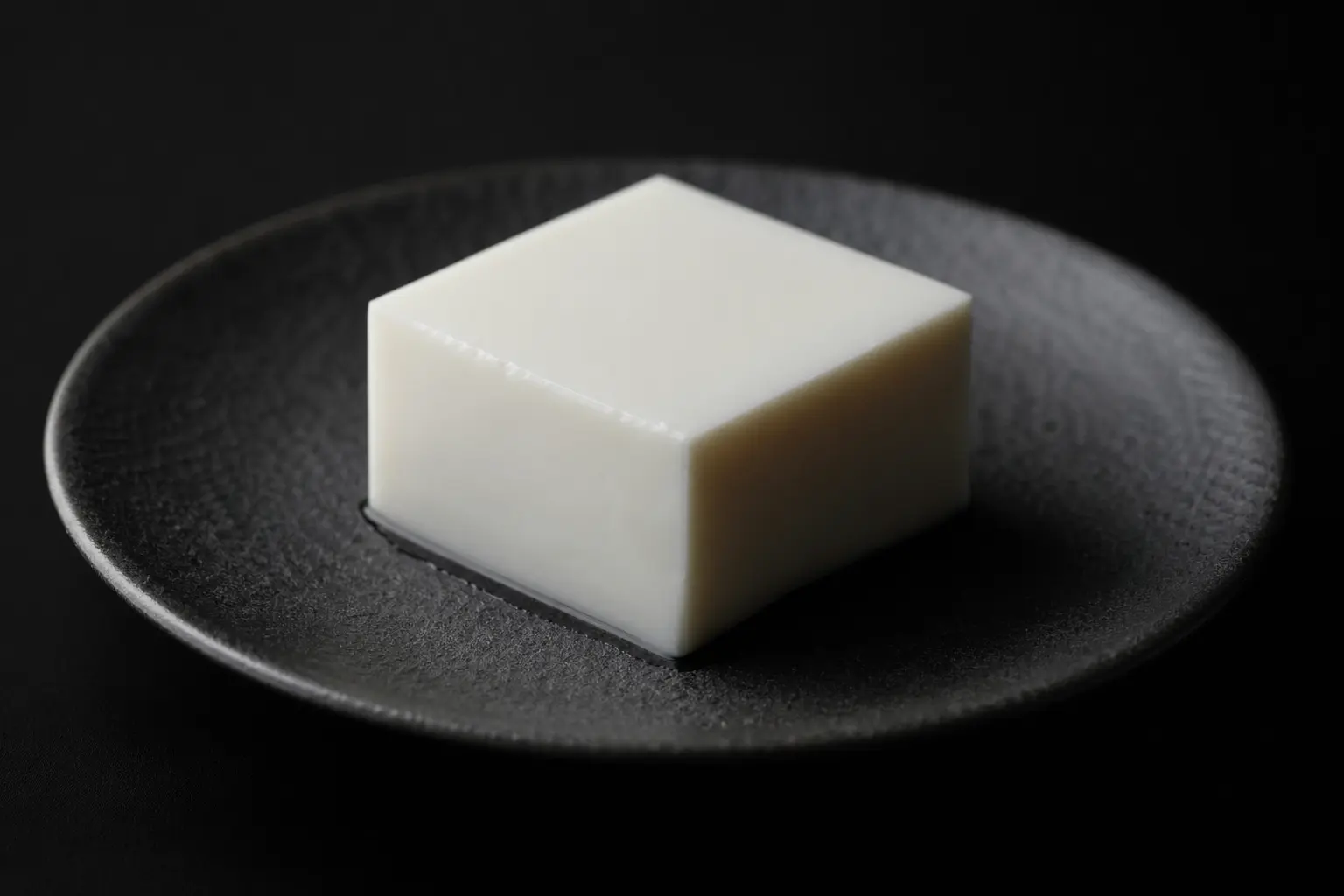
Spring corresponds to the Wood element (木, mù) in Five Phase theory — the energy of growth and outward expansion. The cooking logic follows: preserve original flavor, minimize heavy manipulation. Steam instead of fry. Light soy instead of dark. Silken tofu instead of fried.
I spent one spring eating my way through Jiangsu province and realized something: the best spring dishes aren't complex. They're transparent. You taste the ingredient, not the technique.
Seasonal Ingredients
Seasonal Ingredients
Guides & Techniques
Guides & Techniques
Regional Cuisines
Regional Cuisines
Seasonal Gear
Seasonal Gear
Umami Science
Umami Science
Seasonal Timing & the 24 Solar Terms
Each season in the Chinese calendar is divided into six solar terms (节气, jiéqì) — 15-day windows that mark shifts in weather, agriculture, and what your body needs. The content on this page is tagged with the solar terms it belongs to.
From 立春 (Start of Spring, Feb 3–5) through 谷雨 (Grain Rain, Apr 19–21), each spring solar term unlocks different ingredients and techniques. Light soy sauce peaks at 春分 (Spring Equinox). Silken tofu is at its best as the weather warms through 清明 (Clear and Bright).
Want to know which solar term we're in right now? Head over to DaoOfSeasons.com for the full seasonal breakdown — what's happening in nature, what your body needs, and what to cook today.