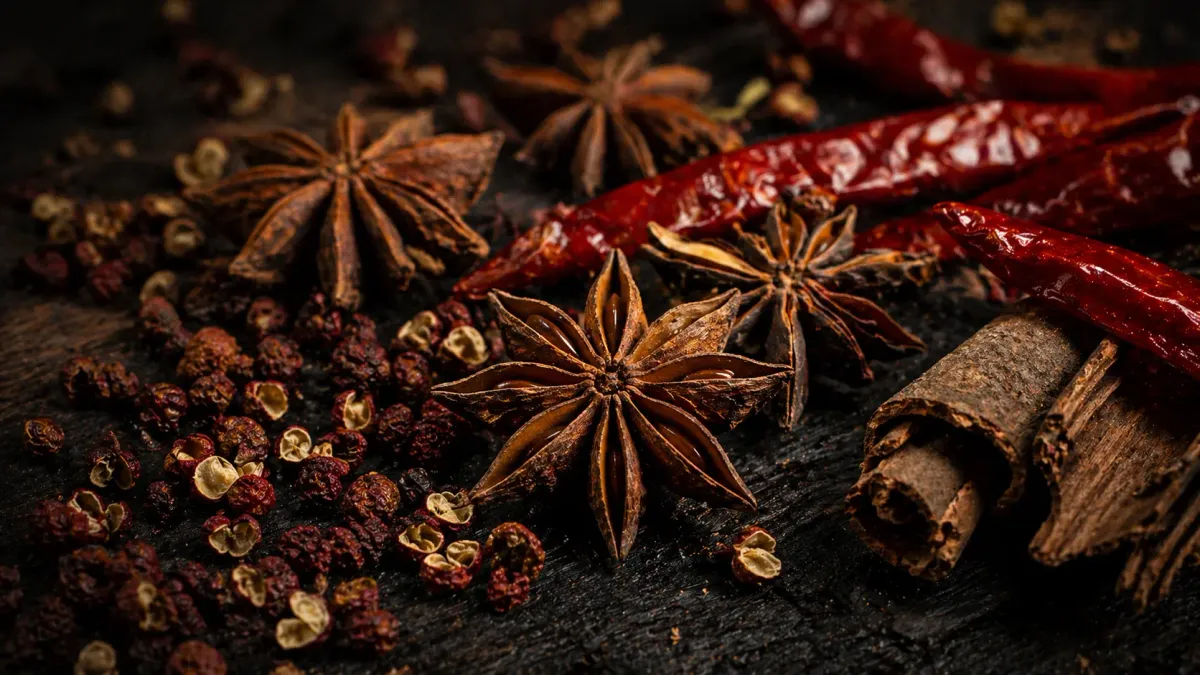
❄️ Winter Season
Winter Ingredients & Recipes
Winter Chinese cooking means braises, hot pot, and slow-simmered soups. Discover warming ingredients like lamb, ginger, and daikon that nourish body and spirit.
8 entries tagged for this season.
Winter is the only season that makes me willing to stand at the stove for three hours. There's something about the cold that transforms cooking from a chore into a meditation — especially when the payoff is a pot of red-braised pork that's been bubbling since noon.
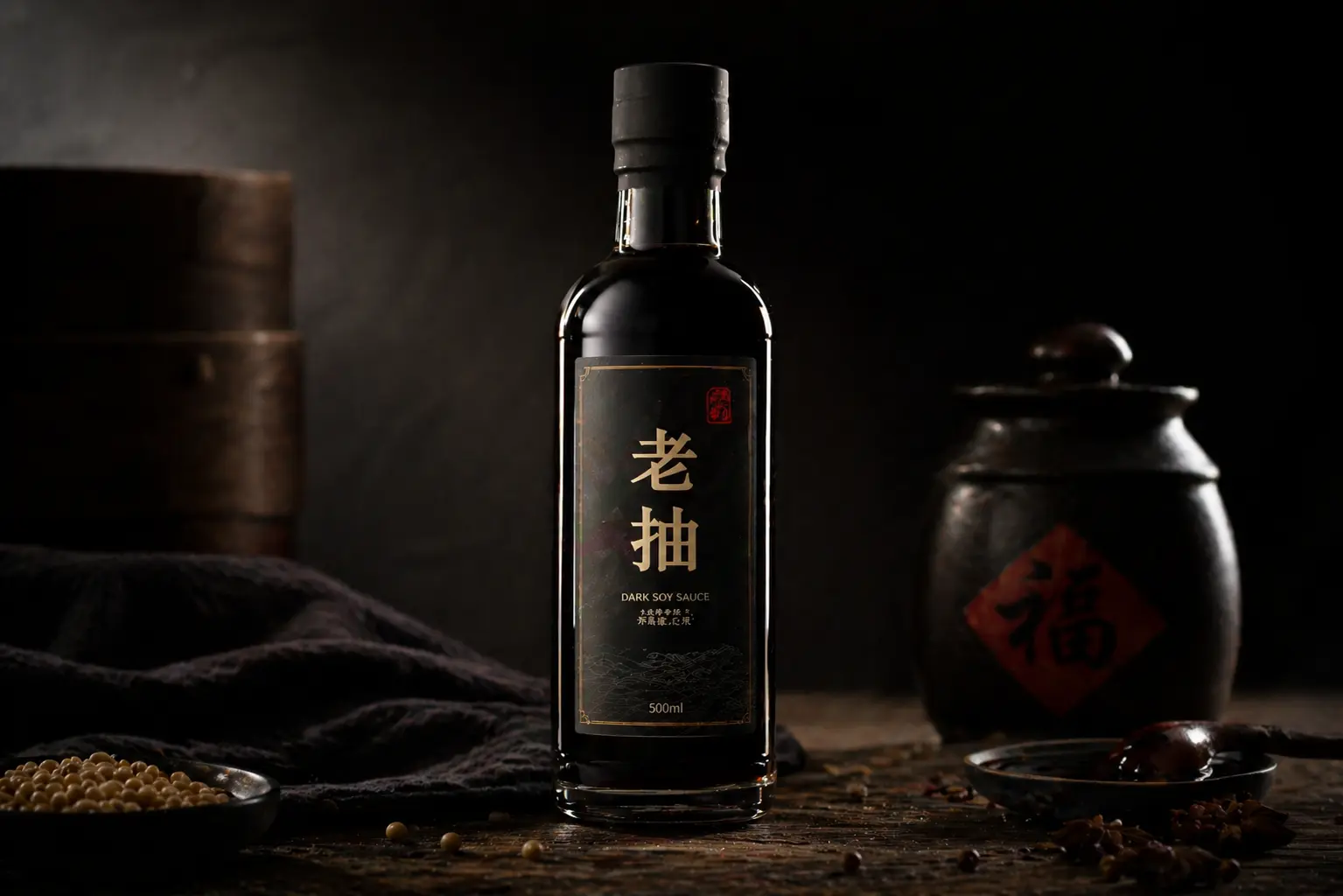
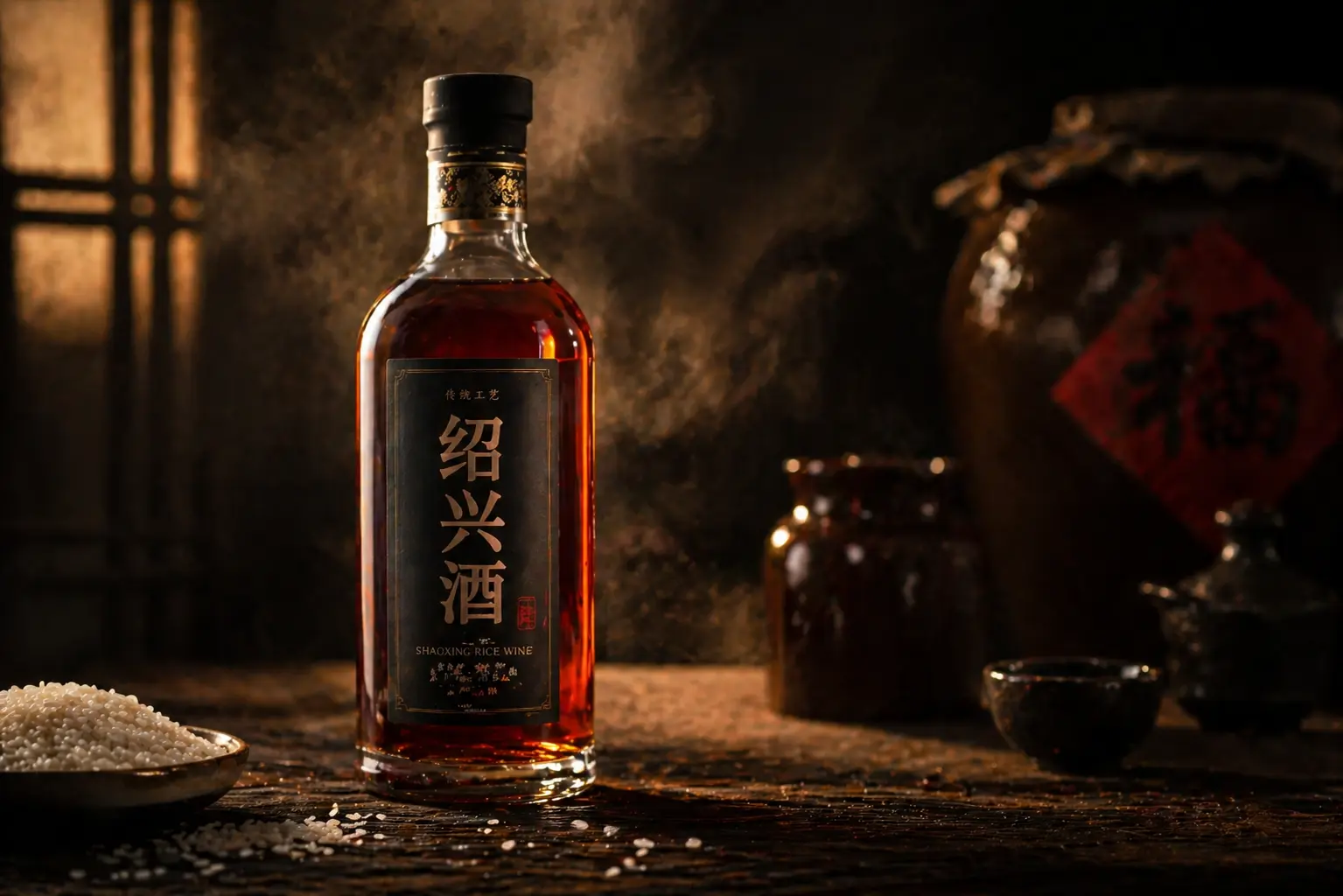
Winter corresponds to the Water element (水, shuǐ) — storage, preservation, and depth. This is the season of 冬藏 (dōng cáng): the concept that nature stores energy in winter, and humans should do the same through slow-cooked, nutrient-dense food. Dark soy sauce, Shaoxing wine, oyster sauce — these aren't winter ingredients by accident. They're built for low-and-slow cooking that develops layers over hours.
And the tradition of eating dumplings at the Winter Solstice? That's not random folklore. It's half the hemisphere's collective memory of cold — compressed into a single bite of meat and dough.
Seasonal Ingredients
Seasonal Ingredients
Guides & Techniques
Guides & Techniques
Troubleshooting
Common Mistakes & Fixes
Umami Science
Umami Science
Seasonal Timing & the 24 Solar Terms
Each season in the Chinese calendar is divided into six solar terms (节气, jiéqì) — 15-day windows that mark shifts in weather, agriculture, and what your body needs. The content on this page is tagged with the solar terms it belongs to.
From 立冬 (Start of Winter, Nov 7–8) through 大寒 (Major Cold, Jan 20–21), winter solar terms call for deep, slow cooking. Classic cold-weather dishes — Mapo Tofu, Red Braised Pork, Hot and Sour Soup, Dumplings — are all tied to 大寒 (Major Cold) and 小寒 (Minor Cold), the coldest days of the year.
Want to know which solar term we're in right now? Head over to DaoOfSeasons.com for the full seasonal breakdown — what's happening in nature, what your body needs, and what to cook today.