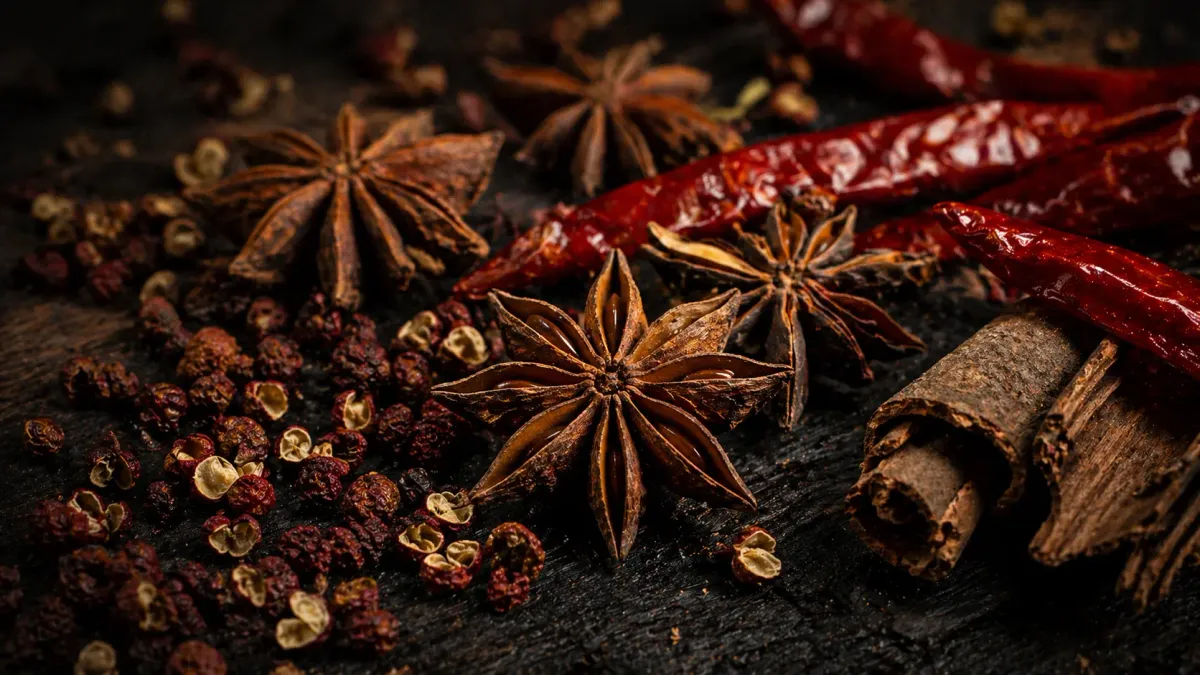
☀️ Summer Season
Summer Ingredients & Recipes
Explore summer Chinese ingredients like bitter melon, lotus root, and fresh chilies. Discover which seasonal ingredients shine when the temperature rises.
22 entries tagged for this season.
I learned my first real lesson about Chinese summer cooking in Guangzhou, at 40°C with 90% humidity. A local friend ordered bitter melon stir-fry and I thought he was punishing me. One bite later, I understood: bitter melon isn't a punishment. It's thermodynamic wisdom.
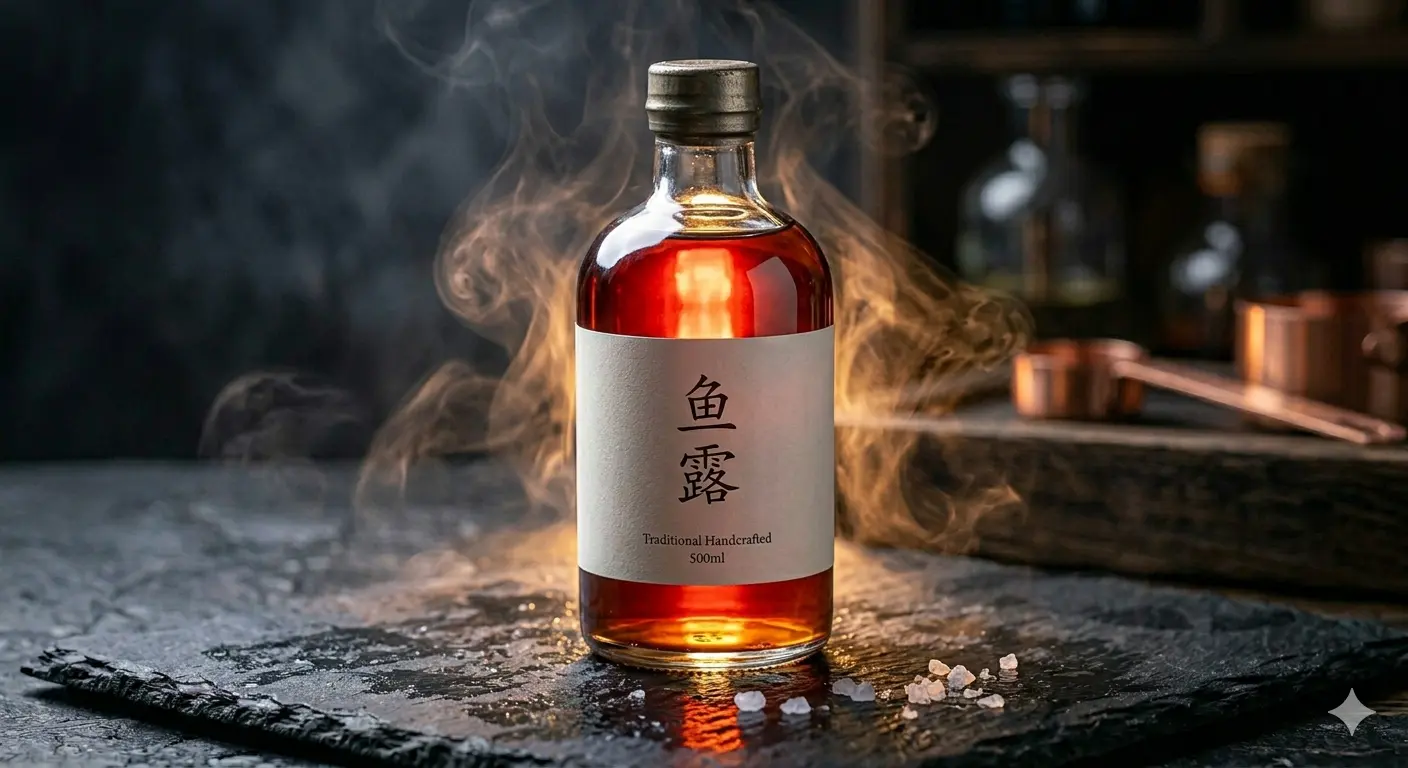
Summer corresponds to the Fire element (火, huǒ) — peak yang, maximum heat. Chinese summer cooking doesn't fight the heat; it works with it. Cooling ingredients (凉性, liáng xìng) balance the body's internal temperature. High-heat techniques like stir-frying get you out of the kitchen fast. Umami-heavy ingredients — fish sauce, aged soy sauces — deliver maximum flavor with minimal cooking time.
Summer is also the season of wok hei — that breath-of-the-wok flavor that only happens when your carbon steel is screaming hot and your ingredients hit the oil in the right sequence.
Seasonal Ingredients
Seasonal Ingredients
Guides & Techniques
Guides & Techniques
Troubleshooting
Common Mistakes & Fixes
Regional Cuisines
Regional Cuisines
Seasonal Gear
Seasonal Gear
Umami Science
Umami Science
Seasonal Timing & the 24 Solar Terms
Each season in the Chinese calendar is divided into six solar terms (节气, jiéqì) — 15-day windows that mark shifts in weather, agriculture, and what your body needs. The content on this page is tagged with the solar terms it belongs to.
From 立夏 (Start of Summer, May 5–7) through 大暑 (Major Heat, Jul 22–24), each summer solar term dictates what's cooling and what's too hot. Bitter melon peaks at 大暑. Velveting techniques shine at 芒种 (Grain in Ear). Fish sauce hits its stride at 夏至 (Summer Solstice).
Want to know which solar term we're in right now? Head over to DaoOfSeasons.com for the full seasonal breakdown — what's happening in nature, what your body needs, and what to cook today.