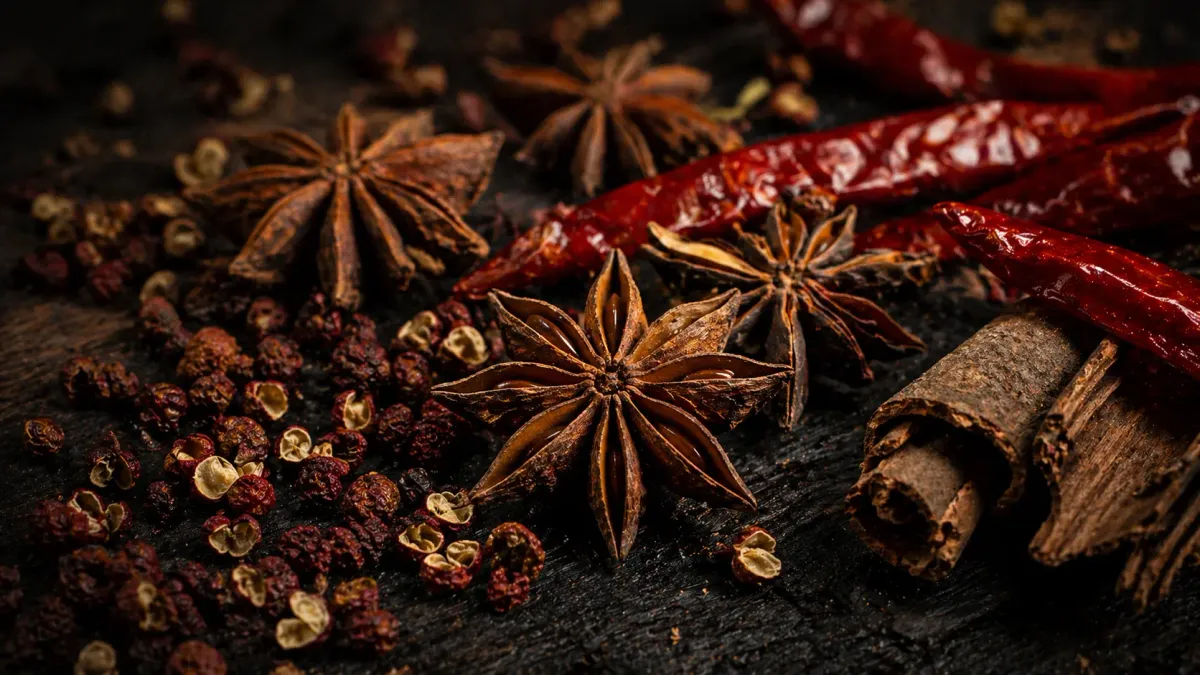
🍂 Autumn Season
Autumn Ingredients & Recipes
Autumn Chinese cooking centers on earthy mushrooms, chestnuts, and pumpkins. Discover hearty braises and warming dishes that make the most of fall harvest.
24 entries tagged for this season.
Walk into any Sichuan restaurant in October and you'll taste it immediately: the deep, fermented richness of ingredients that have been aging all year. Autumn Chinese cooking doesn't chase freshness. It chases depth.
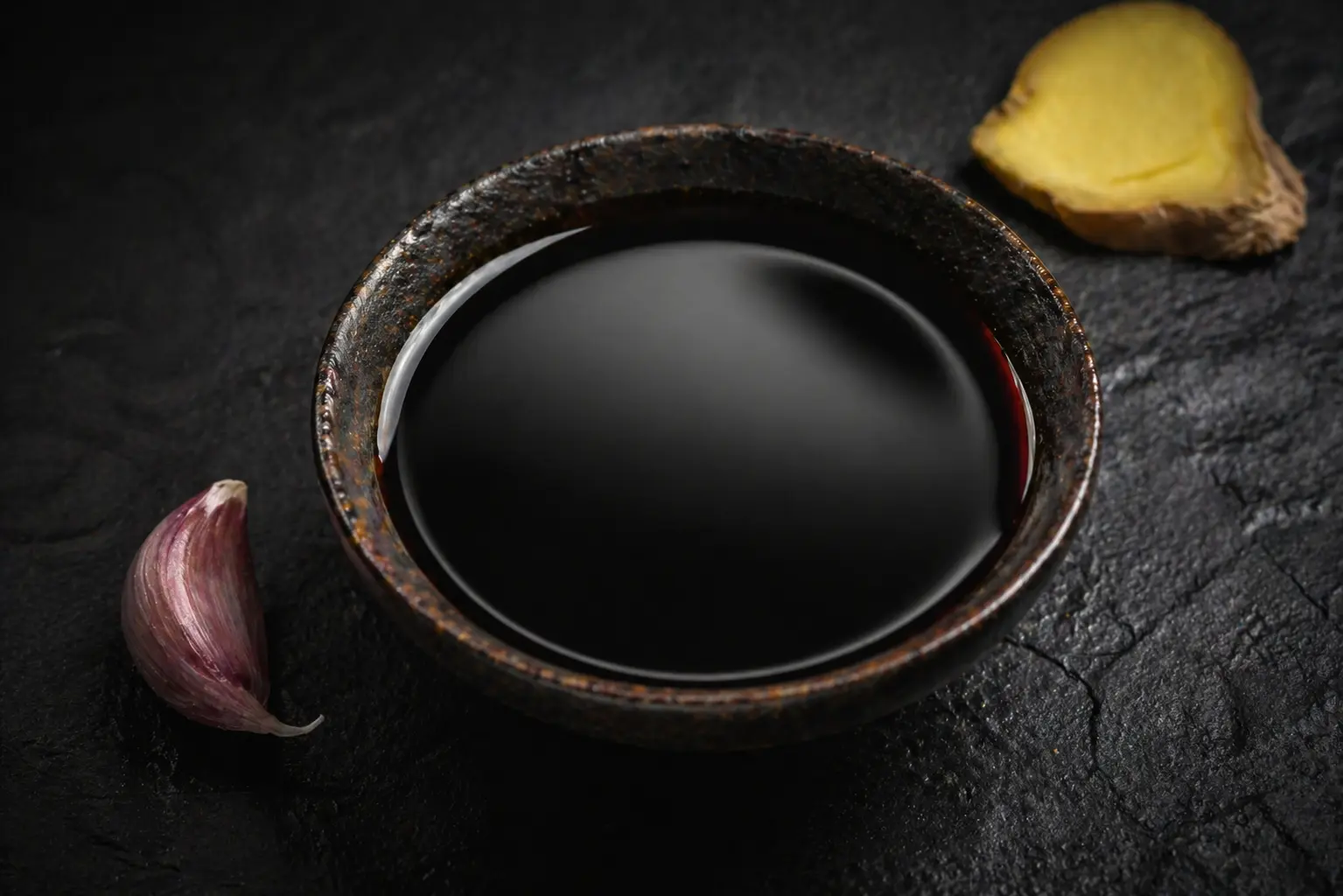
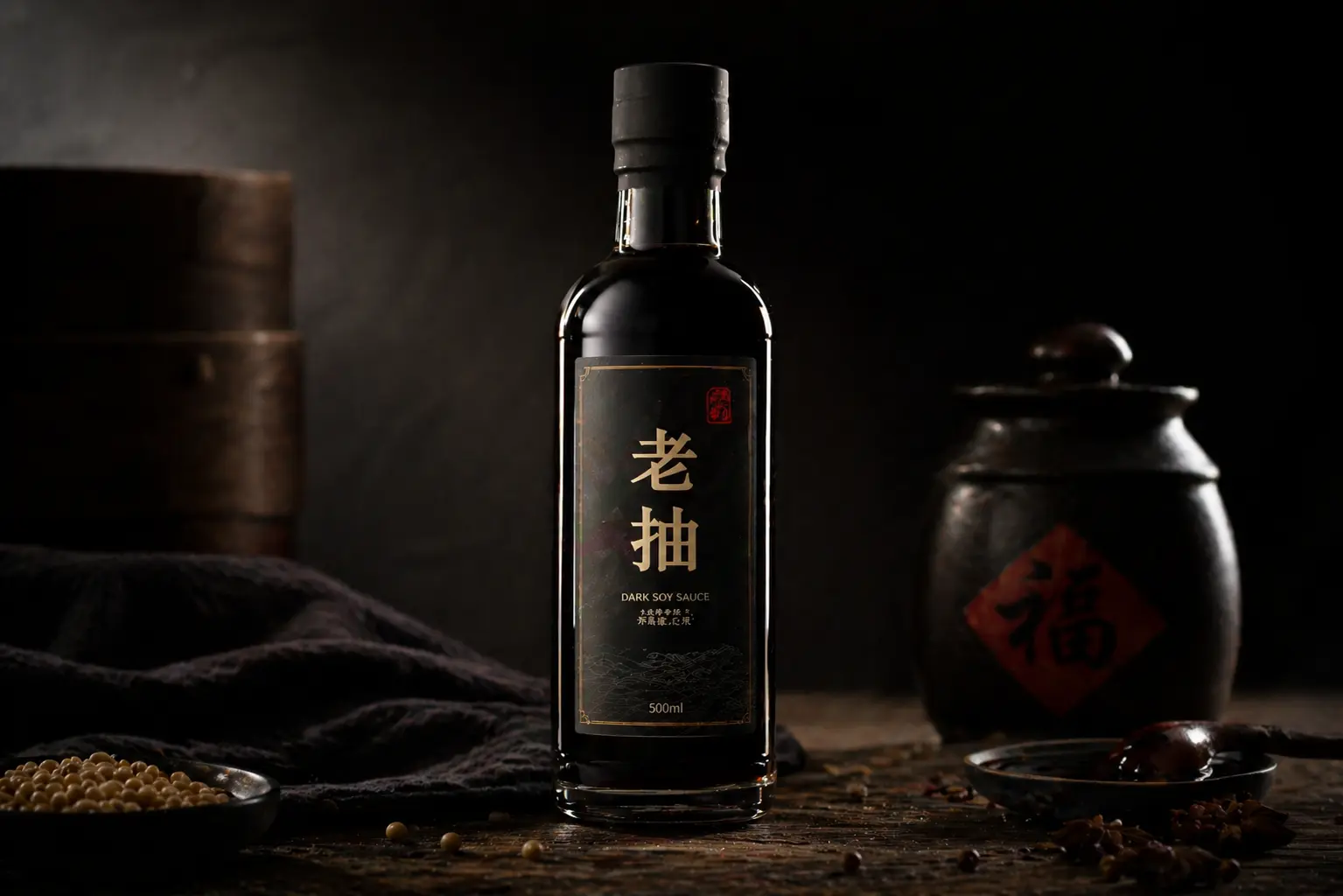
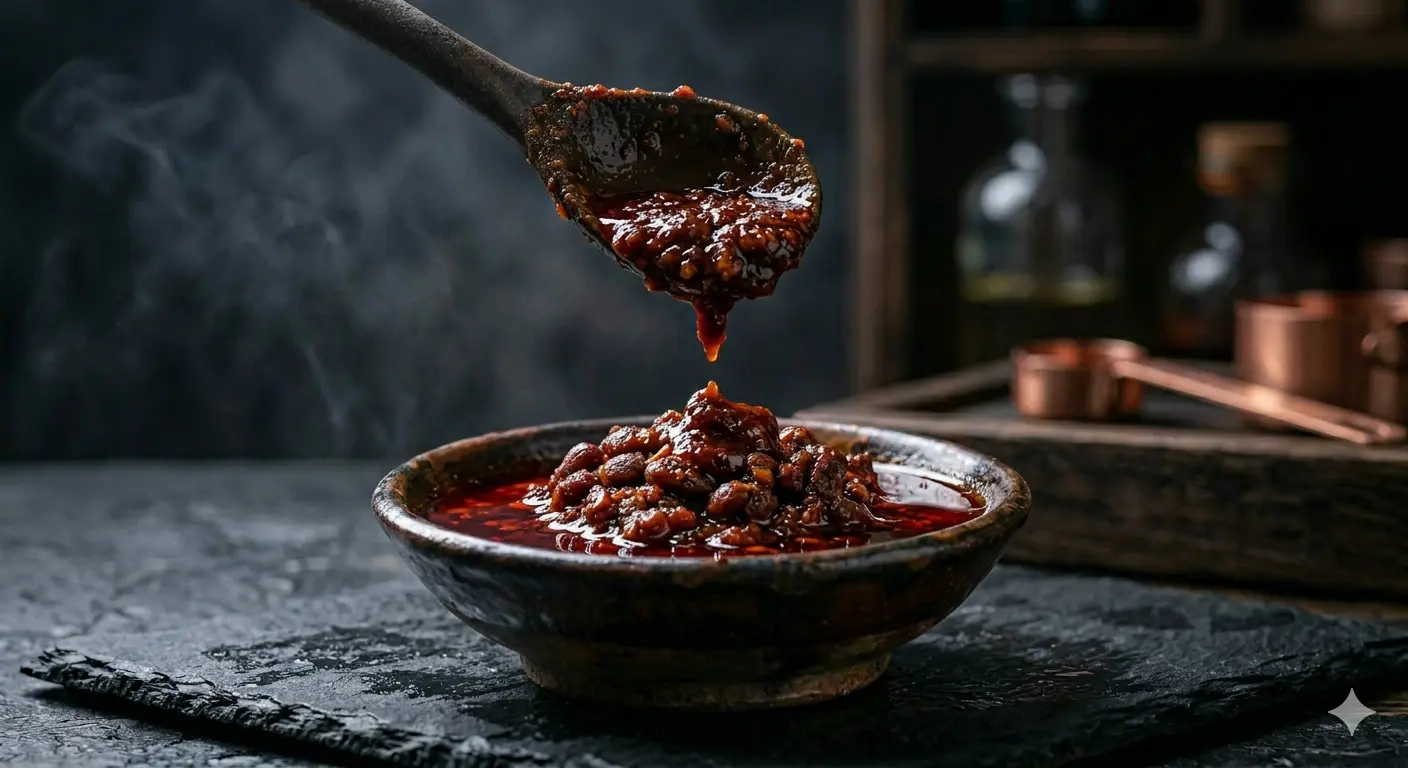
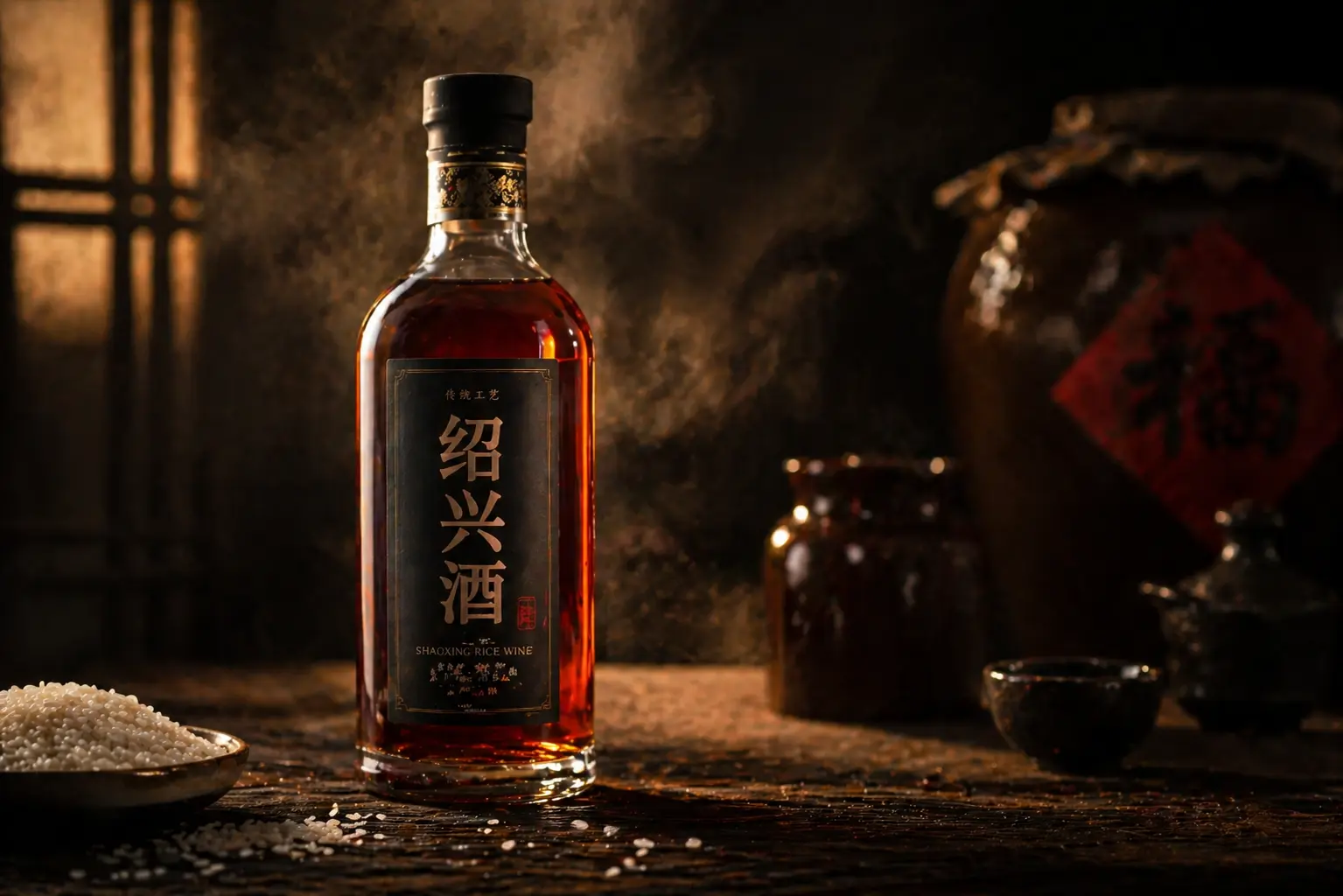
Autumn corresponds to the Metal element (金, jīn) — contraction,沉降, and heaviness. This is the season of fermentation: doubanjiang (chili bean paste) that's been fermenting since spring, black vinegar aged in clay urns, oyster sauce reduced to savory concentrate. These aren't condiments — they're time capsules.
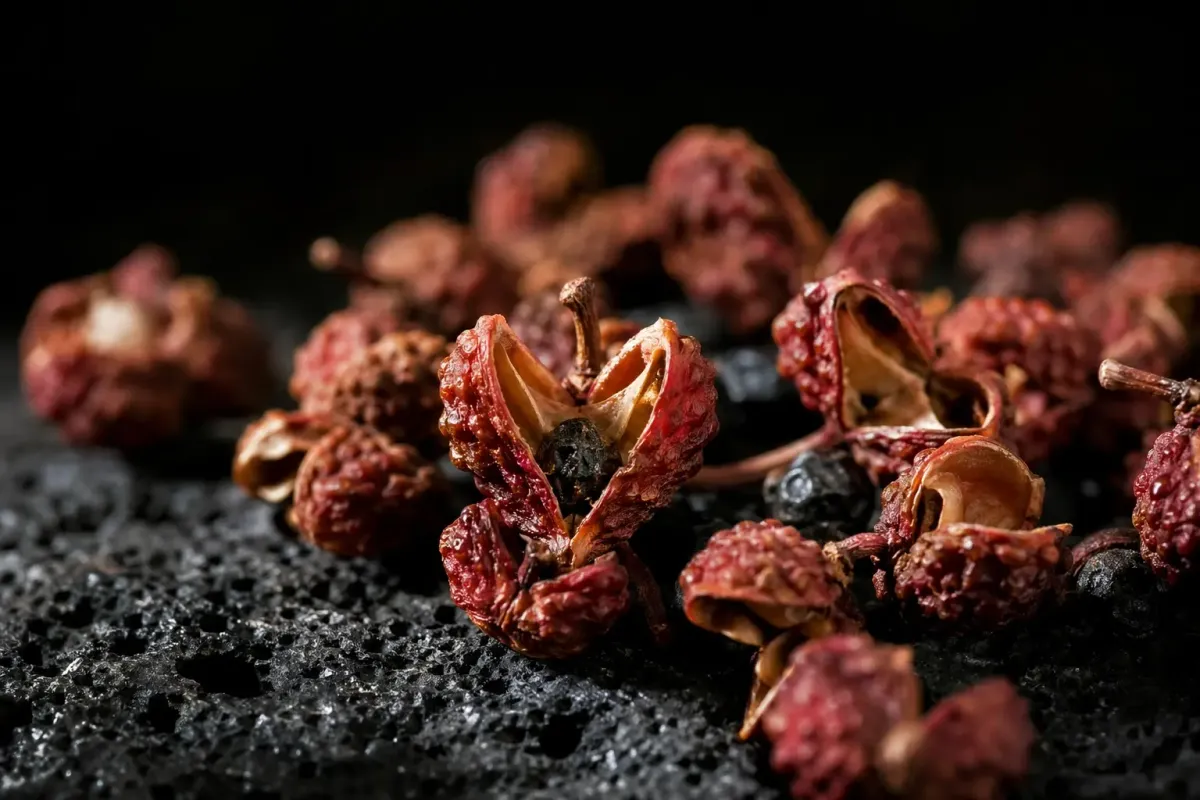
I used to think Sichuan food was just about heat. Then I spent an autumn cooking through the pepper harvest and realized: the real story isn't spiciness. It's the fermented foundation that spice sits on top of.
Seasonal Ingredients
Seasonal Ingredients
Guides & Techniques
Guides & Techniques
Troubleshooting
Common Mistakes & Fixes
Regional Cuisines
Regional Cuisines
Umami Science
Umami Science
Seasonal Timing & the 24 Solar Terms
Each season in the Chinese calendar is divided into six solar terms (节气, jiéqì) — 15-day windows that mark shifts in weather, agriculture, and what your body needs. The content on this page is tagged with the solar terms it belongs to.
From 立秋 (Start of Autumn, Aug 7–9) through 霜降 (Frost Descent, Oct 23–24), autumn solar terms mark the fermentation harvest. Sichuan pepper is freshest at 秋分 (Autumn Equinox). Black vinegar and doubanjiang mature through 寒露 (Cold Dew).
Want to know which solar term we're in right now? Head over to DaoOfSeasons.com for the full seasonal breakdown — what's happening in nature, what your body needs, and what to cook today.